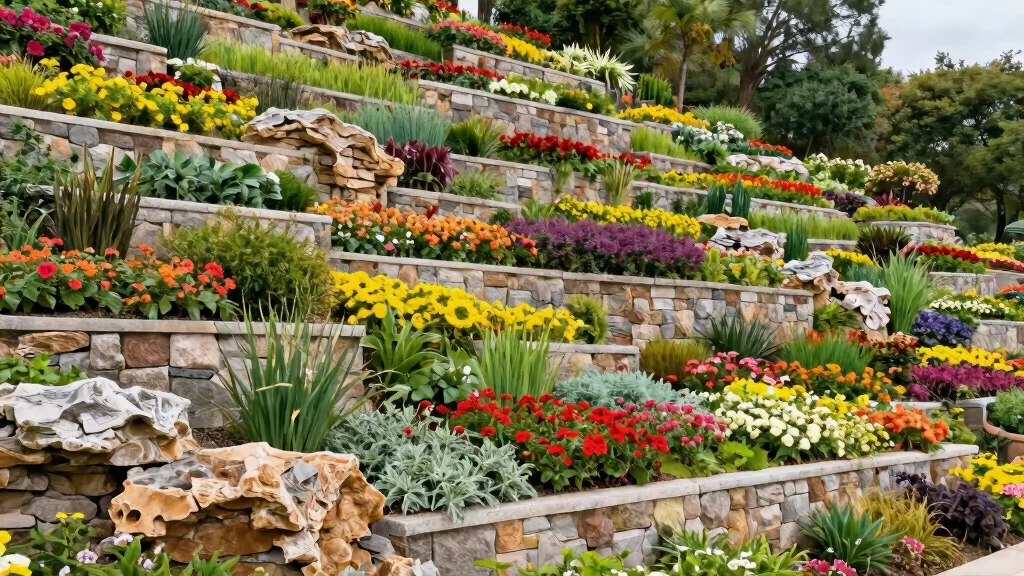
Creating a beautiful garden on a steep slope can seem daunting. The challenge of preventing erosion while maintaining an aesthetically pleasing landscape is no small feat. That’s why I put together this guide. If you’ve been searching for ways to enhance your hillside or steep slope while keeping erosion at bay, you’re in the right place.
This post is designed for gardeners, homeowners, and DIY enthusiasts who want their outdoor spaces to be both stunning and functional. If you care about making your yard the envy of the neighborhood or simply want to enjoy the natural beauty of your property, you’ll find plenty of inspiration here.
Get ready to explore ten incredible steep slope landscaping ideas that not only tackle erosion issues but also bring beauty to your space. Each suggestion is practical, creative, and sure to add a touch of charm to your garden, making it a haven you’ll love.
Key Takeaways
– Terraced Garden Levels: Creating terraces can help manage water runoff and provide flat areas for planting.
– Decorative Retaining Walls: Use retaining walls not just for support but also as decorative elements that enhance your landscape.
– Ground Covers for Stability: Choose ground cover plants that spread quickly to stabilize the soil and add greenery to your slope.
– Native Plant Selection: Opt for native plants that thrive in your climate, requiring less maintenance and supporting local wildlife.
– Rock Gardens for Erosion Control: Incorporate rock gardens to break up water flow, reduce soil erosion, and create a unique visual appeal.
1. Terraced Garden Levels
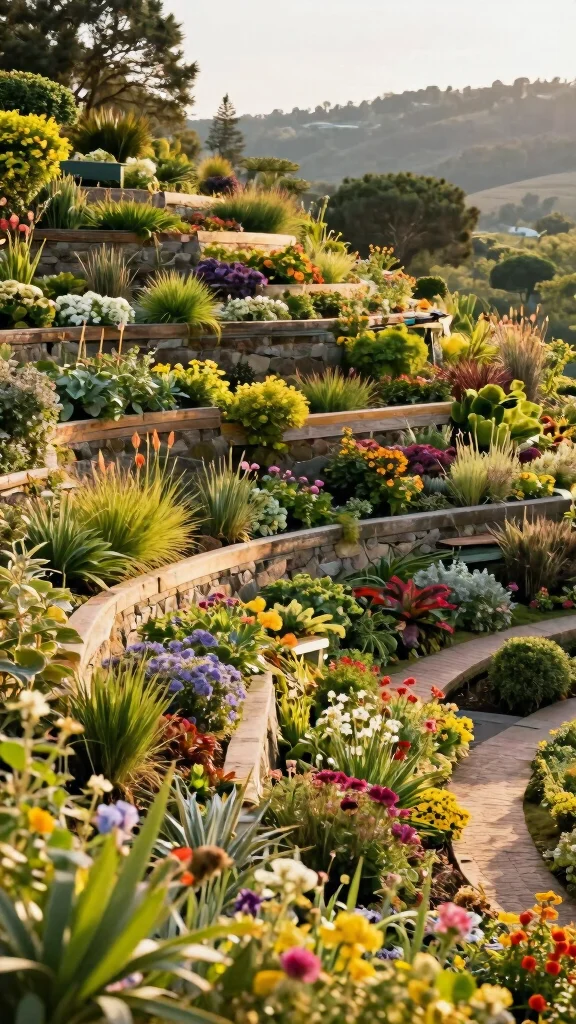
Transforming your steep slope into terraced levels is a fantastic way to fight erosion while adding beauty to your garden. By creating flat sections, you can showcase a variety of plants, making your outdoor space both functional and visually stunning. Imagine vibrant flowers, herbs, and even a cozy seating area nestled within the terraces, offering a perfect spot to relax and enjoy the view.
To start, think about materials like timber, stone, or even recycled options that can enhance the design. Each terrace can have its own theme—think herbs on one level, colorful flowers on another, and a seating nook at the top. Don’t forget to plan for effective drainage to keep water flowing smoothly!
Key benefits of terracing:
– Reduces soil runoff to retain nutrients.
– Creates microclimates for varied plant growth.
– Offers aesthetic variety for visual appeal.
This approach not only beautifies your space but significantly stabilizes the soil, making your garden a delightful retreat.
Fun fact: Terraced garden levels reduce erosion on steep slopes by up to 60–70%. As part of steep slope landscaping ideas, build flat sections with timber or stone, add mulch and native plants, and create a cozy seating zone to enjoy the view while keeping soil in place.
Terraced Garden Levels
Editor’s Choice

Jute Erosion Control, Soil Saver Mesh Blanket – 48″ Wide x 20 Yards (60 …

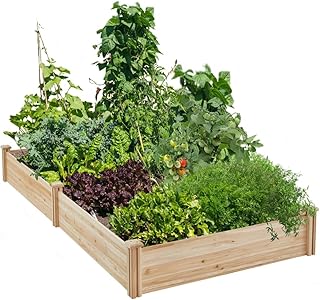
Yaheetech 8×4ft Wooden Horticulture Raised Garden Bed Divisible Elevate…

3rd Street Inn Slate Stone Tiles – Stone Outdoor Interlocking Patio/Deck…
2. Decorative Retaining Walls

Retaining walls are an excellent feature for steep slopes, combining support and style in your landscape. They can prevent soil erosion while serving as a striking backdrop for your plants. Imagine a wall adorned with vibrant vines and flowers that not only stabilizes the soil but also becomes a centerpiece in your garden.
Consider using natural stones or decorative blocks that blend seamlessly with your surroundings. You can even add built-in planters for herbs or colorful blooms, enhancing both beauty and functionality.
Creative ideas for retaining walls:
– Choose natural stone for a rustic appeal.
– Incorporate flowering plants along the wall for charm.
– Design seating walls for relaxation and enjoyment.
With these walls, you enhance your landscape’s beauty while effectively managing erosion, creating a captivating outdoor space.
Decorative Retaining Walls
Editor’s Choice

4 Pack Universal Retaining Wall Blocks with French Drain Pipe for Proper…

Veradek Block Series Long Box Planter – Large Rectangular Planter for In…
Jute Erosion Control, Soil Saver Mesh Blanket – 48″ Wide x 20 Yards (60 …
3. Ground Covers for Stability

Ground cover plants are your best allies for preventing erosion on steep slopes. These resilient plants spread quickly and create a thick carpet that holds the soil in place with their roots. Picture a lush, green landscape that adds charm while effectively stabilizing your slope.
Selecting the right ground covers can enhance the beauty of your garden while fighting erosion. Consider mixing different types to create a vibrant tapestry of colors and textures throughout the year.
Top ground cover choices:
– Creeping thyme with its lovely purple flowers.
– Sedum varieties that thrive in rocky, poor soil.
– Vinca minor for glossy leaves and cheerful blooms.
With regular care, these plants will flourish and create a gorgeous, stable environment that enhances your outdoor space.
Ground Covers for Stability
Editor’s Choice
Jute Erosion Control, Soil Saver Mesh Blanket – 48″ Wide x 20 Yards (60 …

20000pcs Creeping Thyme Seeds for Planting Perennial Ground Cover Plants…

Back to the Roots 25.7qt (1 Cubic ft) Organic Premium Mulch
4. Native Plant Selection
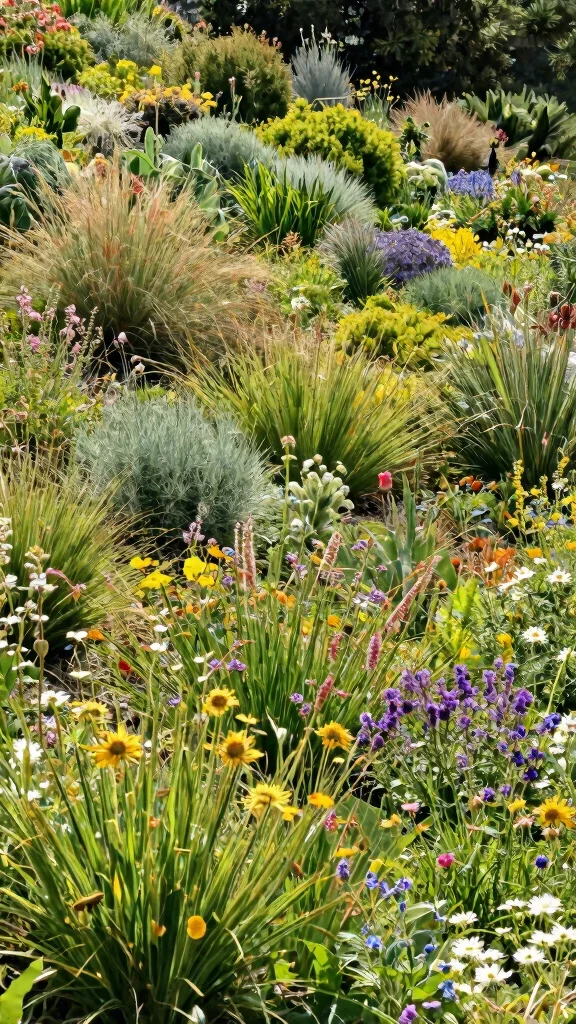
Choosing native plants for your steep slope landscaping is a fantastic way to ensure both beauty and ease of maintenance. These plants are naturally adapted to your local environment, making them resilient and low-care. Imagine a garden filled with vibrant native flowers and shrubs that attract local wildlife, creating a lively ecosystem right in your backyard.
By selecting a diverse range of native species, you enrich your garden’s biodiversity while tackling erosion effectively. This strategy not only looks stunning but also supports local pollinators and wildlife.
Benefits of native plants:
– Deep roots that anchor soil effectively.
– Attracts local wildlife and pollinators.
– Requires less water and minimal fertilizers.
Embracing native plants creates a beautiful, sustainable landscape that thrives in harmony with nature.
Fun fact: Native plants are tuned to your local climate, often needing 30% less water once established. On steep slopes, a diverse mix of natives stabilizes soil, reduces erosion, and attracts local wildlife—without extra maintenance.
📹 Related Video: Best Plants for Erosion Control | How to Protect Your Landscape with Native Plants 🌿
How To Choose Plants for Steep Slope Landscaping
When it comes to choosing plants for steep slope landscaping, you want to ensure they not only prevent erosion but also enhance the visual appeal of your garden. Here’s how to make the best selections.
1. Assess Your Climate
Before choosing plants, understand your local climate. Different plants thrive in various conditions such as temperature, rainfall, and sunlight. Check if your area falls into a USDA hardiness zone, which helps identify plants that will survive your winter. For instance, if you live in a warmer area, consider drought-resistant plants like succulents or lavender.
2. Consider Soil Type
Soil plays a vital role in how well plants will grow. Test your soil to determine its texture and nutrient levels. Sandy soils drain quickly, while clay retains moisture. Depending on the soil type, you may need to amend it with organic matter. For clay soil, choose plants that can tolerate wet conditions, like astilbe or ferns.
3. Choose Native Plants
Native plants are adapted to your local environment and require less care. They also help support local wildlife and promote biodiversity. For example, in the Midwest, you might consider planting prairie grass or coneflowers. These plants are not only beautiful but also resilient against erosion.
4. Look for Ground Covers
Ground cover plants are excellent for steep slopes because they spread quickly and create a dense mat of vegetation. This helps hold the soil in place and prevents erosion. Options like creeping thyme or sedum are ideal choices. They add beauty while stabilizing the slope.
5. Plan for Maintenance
Choose plants that fit your maintenance level. Some plants require more care, such as regular trimming and watering, while others are low-maintenance. If you prefer a hands-off approach, opt for drought-tolerant species that need little intervention. Consider plants like ornamental grasses or shrubs that are self-sufficient.
6. Think About Seasonal Interest
Select a variety of plants that bloom at different times of the year. This ensures your slope remains attractive throughout the seasons. For example, plant early bloomers like snowdrops and mix them with summer flowers like daylilies. This not only beautifies your garden but also creates a vibrant ecosystem.
Pro Tip: Create a planting plan that includes staggered heights. Taller plants at the back and shorter ones at the front will add depth and dimension to your slope garden. This arrangement enhances visibility and makes maintaining your garden easier.
By considering these factors, you can select the right plants for your steep slope landscaping project. This way, you’ll have a beautiful garden that keeps erosion at bay while thriving beautifully throughout the year.
Native Plant Selection
Editor’s Choice
Jute Erosion Control, Soil Saver Mesh Blanket – 48″ Wide x 20 Yards (60 …

5. Rock Gardens for Erosion Control

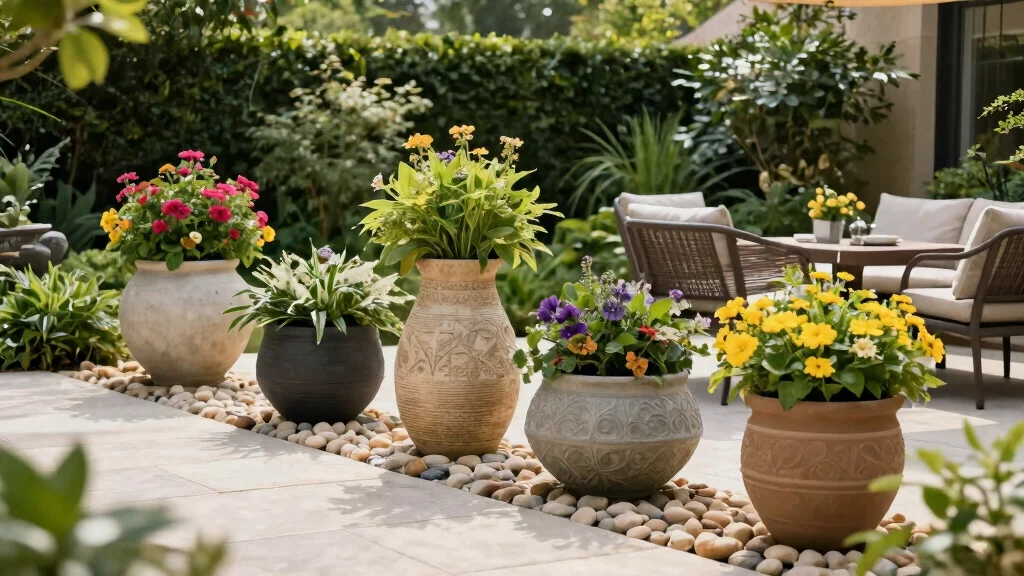
Rock gardens offer a creative solution for steep slopes, combining functionality with beauty. Using stones and rocks helps stabilize the soil while providing a unique aesthetic that draws the eye. Imagine a rugged yet elegant area adorned with colorful succulents and alpine plants that thrive in a dry environment.
Creating a rock garden allows you to showcase plants that are specially suited for rocky terrains. This design not only prevents erosion but also creates a stunning focal point in your landscape.
Steps to create a rock garden:
– Select stones of various sizes for interest.
– Use drought-resistant plants to thrive in rocky areas.
– Design pathways with smaller stones for a neat look.
Incorporating a rock garden transforms your slope into a captivating haven that is both beautiful and practical.
You might also like

Rock Gardens for Erosion Control
Editor’s Choice

DWALE Driveway Fabric,13×115 ft Road Fabric Commercial Weed Barrier Fabr…
Creating And Planting Alpine Gardens: How To Build Small Rock Gardens An…
Gravel Grid 4.4×33 FT with 20Pcs Landscape Staples, 2” Thick Geogrid Gr…
6. Water Features for Erosion Management
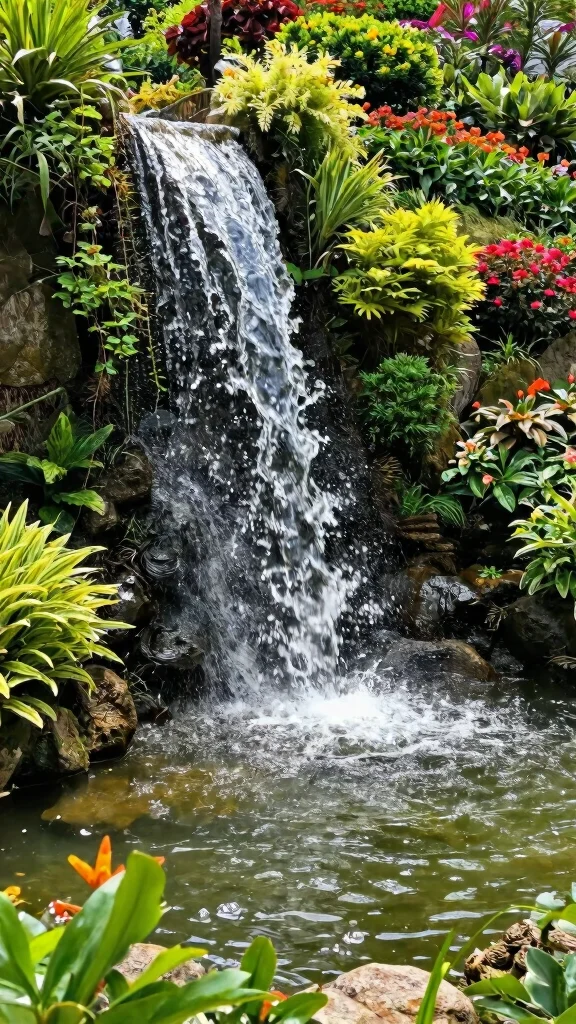
Adding a water feature to your steep slope can elevate the beauty of your garden while managing erosion effectively. Whether it’s a pond, stream, or waterfall, these elements create a serene atmosphere and help control water runoff. Picture a tranquil waterfall cascading down your slope, surrounded by lush greenery and vibrant flowers.
When designing your water feature, consider its placement to maximize its erosion control benefits. Surrounding it with moisture-loving plants can further enhance stability and create a lush environment.
Advantages of water features:
– Slows down water flow to reduce erosion.
– Provides habitat for aquatic plants and wildlife.
– Creates a calming ambiance in your garden.
By integrating water features, you not only manage erosion but also create a captivating focal point that brings tranquility to your outdoor space.
Water Features for Erosion Management
Editor’s Choice

Drought Tolerant Wildflower Mix – 20,000+ Seeds – 1 oz Bulk Extra La…
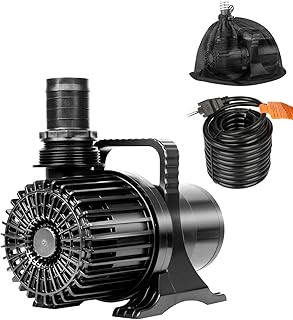
OYO WATER Outdoor Large 8300gph-520W 32.8FT Pond Water-fall & Kio Fish F…
7. Swale Installation for Drainage

Swales are shallow, vegetated channels that effectively manage water runoff, making them perfect for steep slopes. They work by slowing water flow and absorbing excess rainfall, which significantly reduces soil erosion. Imagine a gently curving swale lined with beautiful native plants that enhance both function and aesthetics.
When designing a swale, ensure it follows the natural contour of your slope. Using native plants will further stabilize the soil while adding beauty to your landscape.
Tips for designing a swale:
– Shape the swale to contour the slope.
– Use native plants for soil stabilization.
– Incorporate mulch or stones for enhanced absorption.
Implementing a swale not only combats erosion but also enriches your garden’s visual appeal, creating a harmonious environment.
Swale Installation for Drainage
Editor’s Choice
Jute Erosion Control, Soil Saver Mesh Blanket – 48″ Wide x 20 Yards (60 …

Wildflower Seeds Bulk Mix – 10,000+ Perennial & Annual Seeds – Texas, Ca…
8. Vertical Gardens for Small Spaces
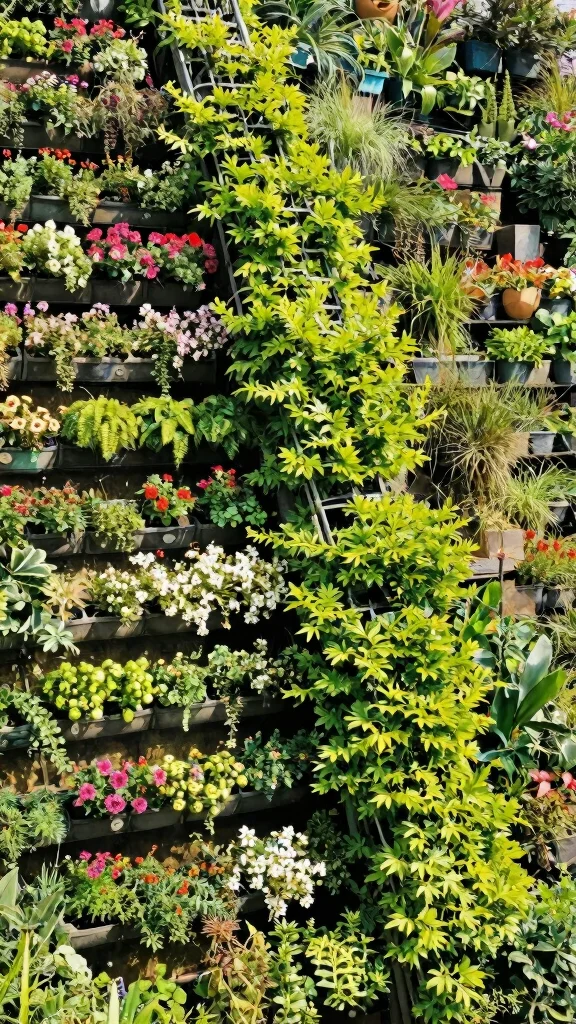
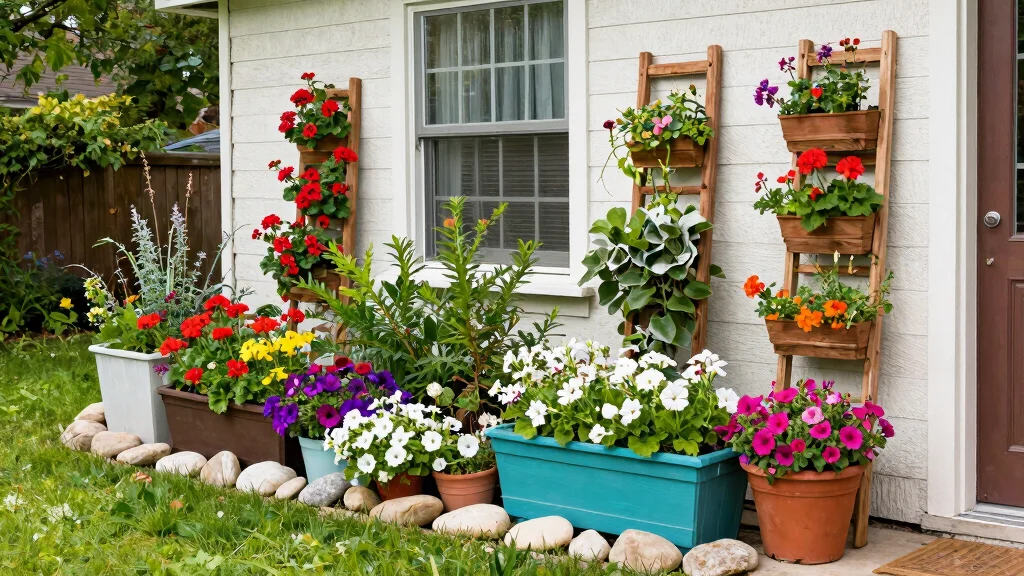
For those with limited space on steep slopes, vertical gardens offer an innovative solution. These living walls allow you to display a variety of plants while taking up minimal ground area. Picture a stunning vertical garden bursting with colorful flowers and lush greenery, transforming an ordinary wall into a vibrant work of art.
To make the most of your vertical garden, consider wall planters, trellises for climbing plants, or even incorporating edible plants like herbs. This approach not only helps manage erosion but also adds a unique touch to your landscape.
Creative ideas for vertical gardens:
– Use wall planters filled with cascading flowers.
– Install trellises for climbing plants that add height.
– Incorporate edible plants for practicality and beauty.
Vertical gardens not only control erosion but also create a striking focal point, turning your slope into a lush oasis.
You Might Also Like
Vertical Gardens for Small Spaces
Editor’s Choice

Totority Creative Landscape Sand Painting with Purple White Quicksand De…

Wall Hanging Planters for Outdoor Plants 16 Inch Large Metal Fence Pots …
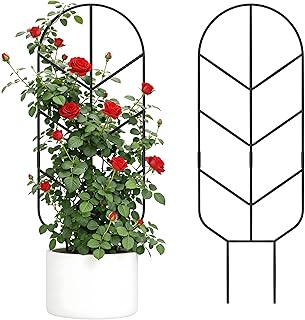
2 Pack 30” Large Metal Plant Trellis for Climbing Plants, Tall Plant Su…
9. Pathways and Steps for Access

Designing pathways and steps on a steep slope improves accessibility and helps manage erosion effectively. Well-constructed paths can guide water flow and reduce soil disturbance, making them both practical and beautiful additions to your garden. Imagine strolling through your hillside garden along a charming path lined with colorful plants.
When creating pathways, consider using natural materials like stone or gravel to blend in with your landscape. Gentle slopes will make navigation easier, while plantings along the sides enhance visual appeal.
Pathway design tips:
– Use natural materials like stone or gravel.
– Include gentle slopes for easier navigation.
– Add plantings along the sides for beauty and control.
Functional pathways enhance your garden’s accessibility while ensuring stability, allowing you to fully enjoy your beautiful hillside space.
Pathways and Steps for Access
Editor’s Choice

40 LBS Grey Pea Gravel – Landscape Rocks – Drainage Rock – Gardening – A…

Arcadia Garden Products Set of 4, 16×17” Dark Gray Stepping Stone Fibe…

3ftx50ft Weed Barrier Landscape Fabric Heavy Duty,Weed Block Gardening…
10. Seasonal Color and Interest
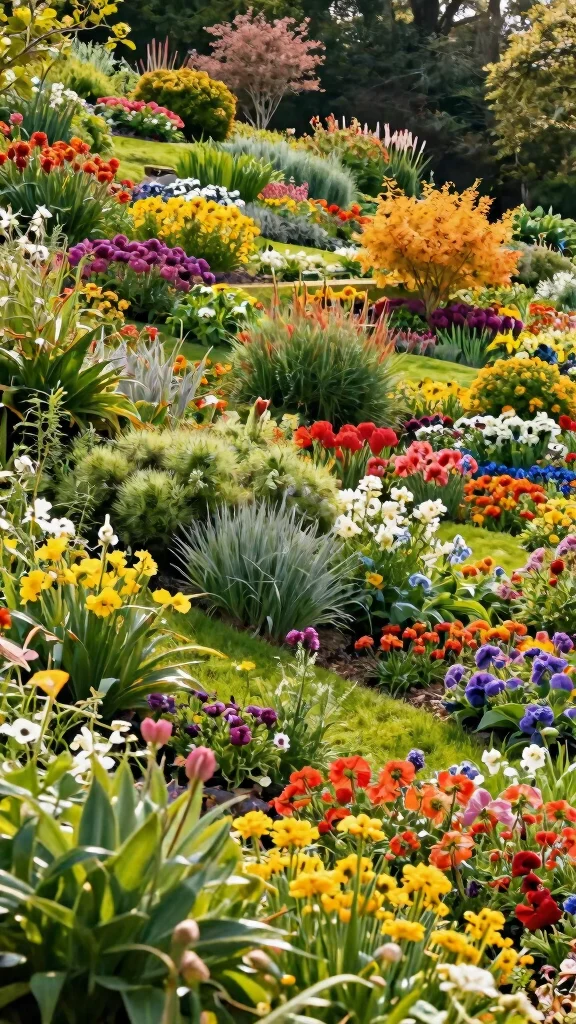
Incorporating a variety of plants that offer seasonal color can enhance your sloped garden’s beauty while helping to combat erosion. By selecting perennials, annuals, and shrubs with staggered blooming seasons, you can ensure your garden remains vibrant throughout the year. Imagine a landscape filled with colorful blooms in spring, summer, and fall, creating a dynamic visual experience.
This diverse plant selection not only captivates the eye but also promotes healthy soil structure with different root depths and patterns to help fight erosion effectively.
Plants for seasonal interest:
– Early bloomers like crocus and daffodils for spring.
– Summer favorites such as daylilies and coneflowers.
– Fall colors from ornamental grasses and shrubs.
By embracing seasonal variety, you create a stunning garden that thrives while supporting soil stability.
Fun fact: Steep slope landscaping ideas that mix perennials, annuals, and shrubs with staggered bloom times can cut erosion by up to 40% while delivering color from spring through fall. This seasonal mix keeps soil anchored and your garden thriving year-round.
Seasonal Color and Interest
Editor’s Choice

Adjustable Blanket Support, Holds Blanket Off Feet

Playsafer Rubber Mulch Nuggets Protective Flooring for Playgrounds, Swin…
Conclusion
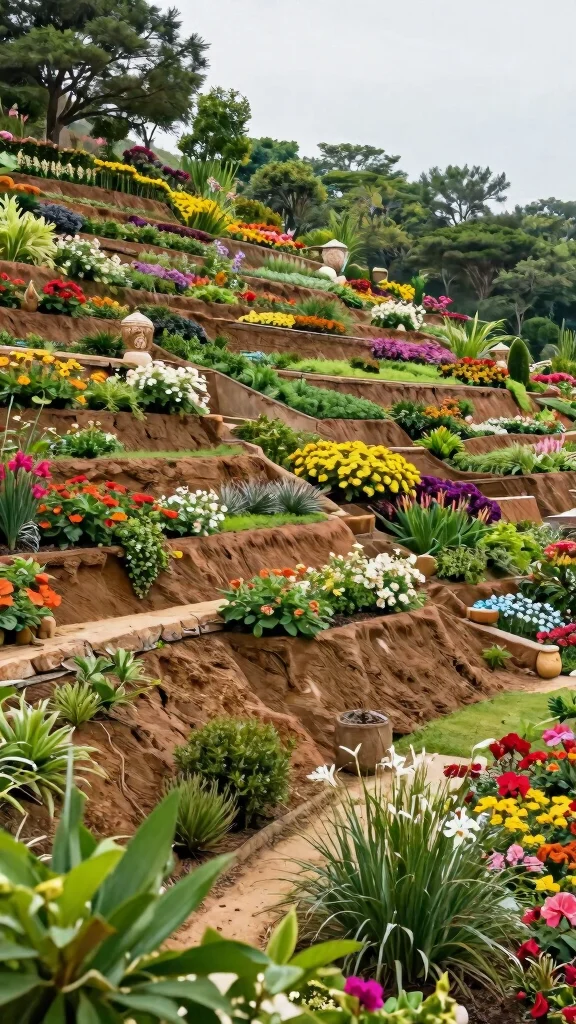
Steep slope landscaping doesn’t have to be a daunting task. With these ten creative ideas, you can effectively manage erosion while creating a stunning garden that beckons admiration. Incorporating techniques like terracing, native plant selection, and water features not only contributes to erosion control but also enhances the beauty of your outdoor space.
So why not start planning your beautiful slope garden today? Each idea mentioned here can help transform a challenging area into a vibrant oasis that you and your family will enjoy for years to come.
Note: We aim to provide accurate product links, but some may occasionally expire or become unavailable. If this happens, please search directly on Amazon for the product or a suitable alternative.
This post contains Amazon affiliate links, meaning we may earn a small commission if you purchase through our links, at no extra cost to you.
Frequently Asked Questions
What Are the steep slope landscaping ideas that prevent erosion without sacrificing beauty?
When planning a hillside landscape, start with a solid erosion-control strategy and a layered layout of terraces or raised beds.
Incorporate erosion control landscaping elements like swales, check dams, and retaining wall ideas that blend with the slope.
Choose plant selection for slopes with deep, spreading roots—native grasses, groundcovers, and shrubs that hold soil in place.
Finish with a generous mulch layer and a simple irrigation plan to keep plants hydrated as they establish.
How can I implement erosion control landscaping on a hillside when space is tight?
Maximize vertical space with narrow terraces, living steps, and plant pockets that don’t widen the slope.
Use practical drainage principles behind walls and in swales to guide water away from paths.
Build in retaining wall ideas that are modular and space-saving, and stick to plant selection for slopes—compact grasses, creeping groundcovers, and small shrubs that stay put.
Add durable path materials and drip irrigation to reduce mud and save water.
Which plants are best for plant selection for slopes to create a beautiful slope gardens that stays erosion-resistant?
Choose plants with strong root systems and low maintenance needs.
Great options include native grasses (blue fescue, bunch grasses), creeping groundcovers (vinca, creeping thyme), and low shrubs (rockrose, potentilla).
Group plants in texture-rich drifts to achieve a beautiful slope gardens look while stabilizing soil. Mulch generously, space plants for healthy root development, and plan for moisture through a simple drip system.
Are there effective retaining wall ideas that also improve drainage and aesthetics in hillside landscapes?
Absolutely. Try dry-stacked stone walls, modular block walls with proper weep holes, or live ridge walls with shrubs cascading over the edge.
Behind every wall, maintain good drainage with gravel backfill and a perforated drain pipe to prevent standing water.
Integrate the wall into steep slope landscaping ideas by adding planters or a narrow path along the terrace for visual appeal.
How should I approach hillside garden design to combine steep slope landscaping ideas with low maintenance?
Start with a grading plan that creates gentle, functional terraces and then choose a cohesive palette under the umbrella of steep slope landscaping ideas.
Pick drought-tolerant plant selection for slopes—grasses, sedums, thyme, and low-growing perennials—for reliable cover.
Mulch well, install a simple drip irrigation system, and use durable materials for paths and seating to reduce upkeep while keeping the garden beautiful.
Related Topics
steep slope landscaping
erosion control landscaping
beautiful slope gardens
hillside garden design
retaining wall ideas
plant selection for slopes
DIY slope gardens
advanced gardening techniques
sustainable landscaping
drainage solutions
beginner friendly landscaping
landscape design tips