
Creating a beautiful outdoor space can sometimes feel overwhelming, especially when trying to balance aesthetics with sustainability. That’s why I poured my heart into this post. The Texas Hill Country, with its unique climate and stunning landscapes, offers a treasure trove of landscaping ideas that are not just gorgeous but also environmentally friendly. If you’ve been searching for ways to enhance your garden while conserving water, you’re in the right place.
This guide is designed for anyone who loves gardening and wants to explore native plants for Texas landscapes. Whether you’re a seasoned gardener or just starting out, these ideas will inspire you to create a drought-resistant garden design that showcases the natural beauty of the Hill Country. With these 10 landscaping ideas, you’ll learn how to incorporate sustainable landscaping ideas that not only beautify your space but also connect you with the rich biodiversity of your region.
As you dive into this article, expect to find practical tips that make your gardening efforts more manageable and enjoyable. I’ve gathered insights on water conservation, maintenance-free designs, and how to create inviting outdoor living spaces that reflect your love for nature. Get ready to embrace the stunning potential of Texas Hill Country landscaping!
Key Takeaways
– Native plants offer vibrant colors: Incorporating native plants can provide beautiful blooms and attract local wildlife while requiring less water.
– Xeriscaping reduces water use: This landscaping technique emphasizes drought-resistant plants and efficient irrigation methods, perfect for the Texas climate.
– Rock gardens are low maintenance: These gardens not only add visual interest but also require minimal care and conserve moisture.
– Rain gardens manage stormwater: They help absorb excess rainwater, preventing runoff and promoting groundwater recharge while creating a lush habitat.
– Mulching retains soil moisture: Using mulch in your garden beds can significantly reduce water needs and suppress weeds, making gardening easier and more efficient.
1. Embrace Native Plants for Vibrant Colors

If you’re looking to brighten up your landscape, native plants are a fantastic choice. The Texas Hill Country boasts a stunning array of flora, like the vibrant bluebonnets and cheerful Indian paintbrushes. Not only do these plants bring color to your garden, but they also require less water and care, making them perfect for busy homeowners. Imagine a lively wildflower garden that transforms with each season, captivating the eyes and spirits of everyone who passes by.
Start by choosing plants that thrive in your specific area; local nurseries can be a treasure trove of information. Grouping plants by their water needs is a smart move, as it saves water and time on watering schedules. To keep your garden colorful year-round, mix perennials with annuals for that seasonal twist.
Key steps to get started:
– Research native plants that thrive locally.
– Arrange plants with similar water needs together.
– Mix perennials and annuals for continuous blooms.
By layering plants of different heights, you’ll create a visually stunning garden that attracts butterflies and other essential pollinators, all while enjoying low maintenance.
📹 Related Video: 8 EVERGREEN Texas Native Plants That Actually Look Good Year-Round
Embrace Native Plants for Vibrant Colors
Editor’s Choice

HOME GROWN Texas Wildflower Seeds Bulk Mix | 131,200+ Pure USA Grown Per…


XLUX Long Probe Deep Use Soil Moisture Meter, Water Monitor Indicator Se…

Back to the Roots 25.7qt (1 Cubic ft) Organic Premium Mulch
2. Xeriscaping for Water Conservation

Xeriscaping offers a beautiful and practical way to garden in the Texas Hill Country by conserving water. This technique emphasizes using drought-resistant native plants, which makes it easier to maintain a vibrant garden without excessive watering. Imagine a landscape that thrives on minimal resources while looking lush and inviting.
To kick off your xeriscaping journey, start by testing your soil to understand its current conditions, ensuring proper drainage and nutrients. Incorporating hardscapes like gravel pathways can enhance beauty and reduce watering needs. Choosing plants like Agave and Texas sage will help you achieve a beautiful, sustainable garden that reflects the local ecosystem.
Key steps to get started:
– Conduct a soil test for better drainage.
– Use gravel or stones for pathways.
– Select drought-resistant plants for easy care.
Xeriscaping not only looks great but also supports local wildlife, creating a garden that’s both beautiful and eco-friendly.
❝ Did you know Texas Hill Country xeriscaping can reduce outdoor water use by up to 30–50% when you plant native, drought-resistant species? Start with a soil test to tailor drainage and nutrients, then choose low-water natives for a lush, low-maintenance texas hill country landscaping that prioritizes water conservation.
Xeriscaping for Water Conservation
Editor’s Choice
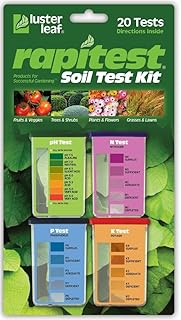
Rapitest Soil Test Kit for Gardens, Vegetables, Flowers and Lawns. USA d…
Back to the Roots 25.7qt (1 Cubic ft) Organic Premium Mulch

The Texas Native Plant Primer: 225 Plants for an Earth-Friendly Garden
3. Rock Gardens for Low Maintenance

Rock gardens are an attractive and low-maintenance solution that adds texture to your outdoor space. Using native stones and plants that thrive in rocky soil can create a stunning focal point. Picture a natural landscape with layered rocks and colorful succulents that require minimal care while offering visual appeal.
When designing your rock garden, start by incorporating local stones that match the surrounding environment. Choose plants like cacti and native flowering plants, which thrive in rocky conditions. Creating different elevation levels in your garden will add depth and improve drainage.
Key steps to get started:
– Use local stones to blend with nature.
– Select drought-tolerant plants for easy maintenance.
– Build varying elevations for visual interest.
A well-designed rock garden not only conserves water but also provides a habitat for wildlife, making it a unique and beneficial addition to your landscape.
How To Choose Native Plants for Texas Hill Country Landscaping
Choosing the right native plants for your Texas Hill Country landscaping can be both exciting and rewarding. These plants not only bring natural beauty to your garden but also support local wildlife and conserve water. Here are some key criteria to help you select the best native plants for your landscape.
1. Consider the Climate
Texas Hill Country enjoys a warm climate, with hot summers and mild winters. When selecting plants, look for species that can withstand the heat and occasional drought. Plants such as Texas Sage and Blackfoot Daisy thrive in high temperatures and require minimal watering, making them ideal choices.
2. Check Soil Type
Different native plants prefer different soil types. The Texas Hill Country typically has well-drained, rocky soil. Before you choose your plants, check your soil’s characteristics and select plants that are suitable. For instance, if your soil is sandy, opt for drought-tolerant plants like Lantana or Mealy Blue Sage.
3. Evaluate Sunlight Exposure
Understanding how much sunlight your garden receives is crucial. Some native plants, like the Texas Bluebonnet, thrive in full sun, while others, such as the Texas Wildflower, do better in partial shade. Take note of sun patterns in your garden throughout the day to help you make informed choices.
4. Attract Local Wildlife
Native plants not only enhance beauty but also attract birds, butterflies, and beneficial insects. When selecting plants, think about those that provide food and shelter for wildlife. For example, the Coral Honeysuckle can attract hummingbirds while providing cover for other species.
5. Think About Maintenance
Consider how much time you want to spend maintaining your garden. Some native plants are low maintenance and thrive with little care. For instance, the Turk’s Cap is drought-resistant and doesn’t require much pruning. Choose plants that fit your lifestyle, ensuring your garden remains stunning with minimal effort.
6. Plan for Seasonal Interest
To keep your landscaping visually appealing year-round, choose plants that bloom in different seasons. For example, the Mexican Feather Grass adds texture and movement in the summer, while the Autumn Sage offers vibrant colors in the fall. This diversity ensures your garden remains alive and dynamic throughout the year.
Pro Tip: Visit local nurseries specializing in native plants. They can provide valuable insights and help you identify the best options for your specific location and preferences. Plus, supporting local businesses strengthens the community and ensures you’re getting healthy plants suited to your area.
By considering these factors, you can create a beautiful, sustainable, and thriving garden that reflects the unique charm of Texas Hill Country. Happy planting!
Rock Gardens for Low Maintenance
Editor’s Choice

Nafresh Tall UV Resistant Faux Cactus Plant,60in Realistic Texture Tal…

Accent Plus Cement Stepping Stone Collection Decorative Colorful, 10″ Di…
4. Create a Rain Garden for Stormwater Management

Rain gardens are an excellent way to manage stormwater while enhancing your landscape’s beauty. These gardens capture rainwater and allow it to filter into the ground, benefiting local plants and ecosystems. Imagine a lush garden that not only looks good but also plays a vital role in maintaining the local water cycle.
To create a rain garden, start by selecting a location that collects runoff, like near downspouts. Choose native plants that thrive in wet and dry conditions, ensuring they can handle the fluctuating moisture levels. Design a basin to hold rainwater, allowing it to gradually seep into the soil.
Key steps to get started:
– Find a location that collects runoff.
– Choose plants like Purple coneflower for adaptability.
– Design a basin for effective water collection.
Implementing a rain garden not only beautifies your yard but also contributes to a healthier local ecosystem, making it a fantastic sustainable landscaping idea.
Fun fact: A properly placed rain garden can cut stormwater runoff by up to 40% in a single rain. For texas hill country landscaping, native plants that tolerate wet and dry conditions near downspouts will keep your yard gorgeous and water-wise.
Create a Rain Garden for Stormwater Management
Editor’s Choice

Rain Bird LNDDRIPKIT Drip Irrigation Landscape/Garden Watering Kit with …

GROWIT Plant Moisture Meter – Accurately Tells You When to Water Your Pl…
5. Incorporate Dripping Irrigation Systems

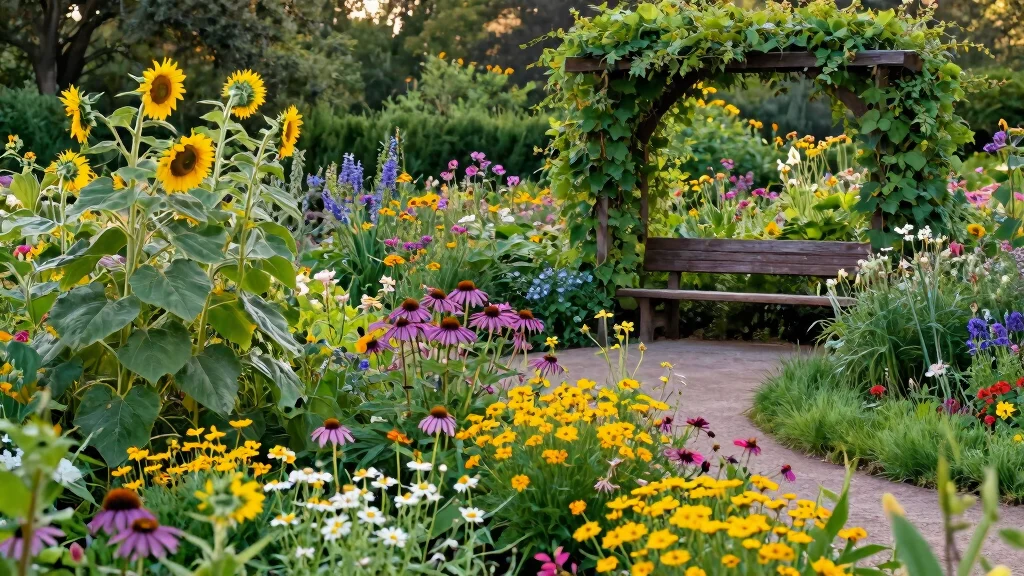
Drip irrigation systems offer an efficient way to keep your garden hydrated while reducing water waste. These systems deliver water directly to the roots of your plants, promoting healthy growth and conserving resources. In the Texas Hill Country, where summers can be hot and dry, this method is a must-have.
To set up your drip irrigation system, start by mapping out your garden and understanding the water needs of your plants. Using timers ensures that your plants receive just the right amount of water, avoiding over-watering. Regular maintenance is key; check for clogs or leaks to keep everything running smoothly.
Key steps to get started:
– Plan your layout based on plant locations.
– Set timers for optimal watering.
– Regularly check for clogs or leaks.
Investing in a drip irrigation system boosts your garden’s health while saving water, allowing your native plants to flourish effortlessly.
Fun fact: drip irrigation delivers water directly to plant roots, reducing waste by up to 30–50% in texas hill country landscaping. With timers, plants drink just what they need, making native, xeriscaped gardens healthier through hot summers.
You might also like

Incorporate Dripping Irrigation Systems
Editor’s Choice

Orbit Programmable Digital Hose Watering Timer – 1 Outlet – Battery Powe…

MIXC 230FT Quick-Connect Drip Irrigation System Kit, Automatic Garden Wa…
6. Utilize Mulching for Moisture Retention

Mulching is a simple yet powerful technique that can greatly improve your gardening efforts in the Texas Hill Country. By covering your soil with organic or inorganic materials, you’ll retain moisture, suppress weeds, and enhance soil health. Imagine a vibrant garden that stays hydrated even during dry spells.
To make the most of mulching, choose organic materials like wood chips that not only help retain moisture but also enrich the soil as they break down. Apply a layer of 2-4 inches to effectively block sunlight and keep moisture in check. Remember to keep mulch away from plant bases to prevent rot and pest issues.
Key steps to get started:
– Use organic materials like wood chips for mulching.
– Apply a 2-4 inch layer for effectiveness.
– Keep mulch away from plant stems to prevent rot.
This practice not only conserves water but also enhances your garden’s visual appeal, making it look neat and well-maintained.
Utilize Mulching for Moisture Retention
Editor’s Choice

VEVOR Compost Spreader, 24 in Wide Peat Moss Spreader with T Shaped Hand…
XLUX Long Probe Deep Use Soil Moisture Meter, Water Monitor Indicator Se…

HealthiStraw GardenStraw, 3 cu ft (20 lbs) All-Natural Mulch for Gardens…
7. Craft Pathways with Natural Materials
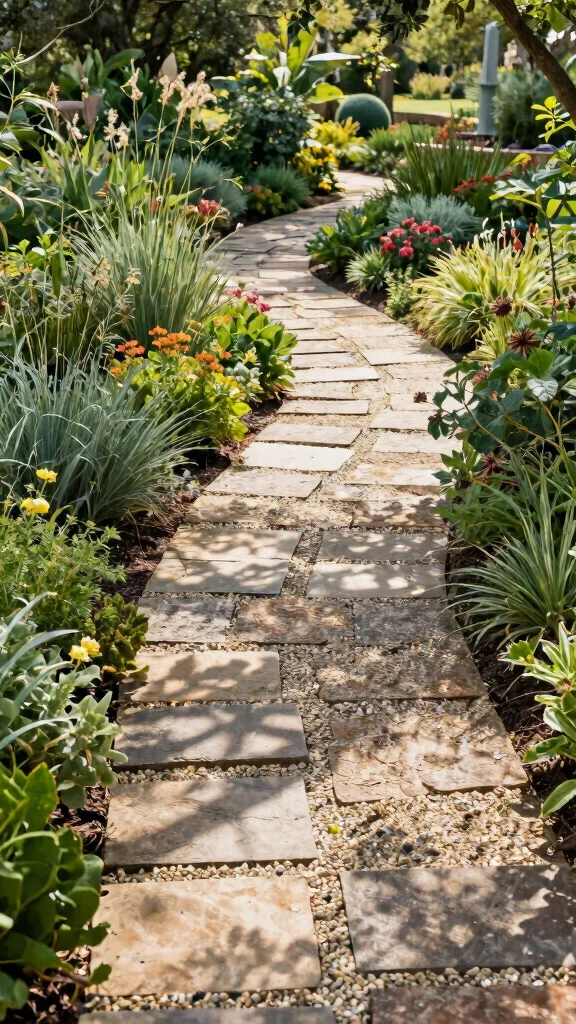
Creating natural pathways can add charm and functionality to your yard while promoting sustainability. Using materials like flagstone and gravel not only enhances your landscape but also allows for proper drainage. Picture a rustic pathway meandering through your garden, inviting exploration and connection with nature.
When planning your pathways, opt for local materials that harmonize with your landscape. Ensure pathways are wide enough for easy access and maintenance, and consider integrating surrounding plants to create a lush feel. This design will not only protect your native plants but also enhance the overall beauty of your outdoor space.
Key steps to get started:
– Choose local materials that fit the landscape.
– Ensure pathways are wide for accessibility.
– Surround pathways with native plants for added beauty.
Natural pathways create a welcoming environment, inviting you to enjoy every corner of your garden while protecting the delicate ecosystem.
Craft Pathways with Natural Materials
Editor’s Choice

YISZM 2LB Succulent and Cactus Gravel Pebbles, 1/5 Inch Natural Decorati…

Sekcen 3 Pack Rubber Stepping Stones Outdoor Garden Rubber Pavers Pathwa…
8. Implement Vertical Gardening Techniques

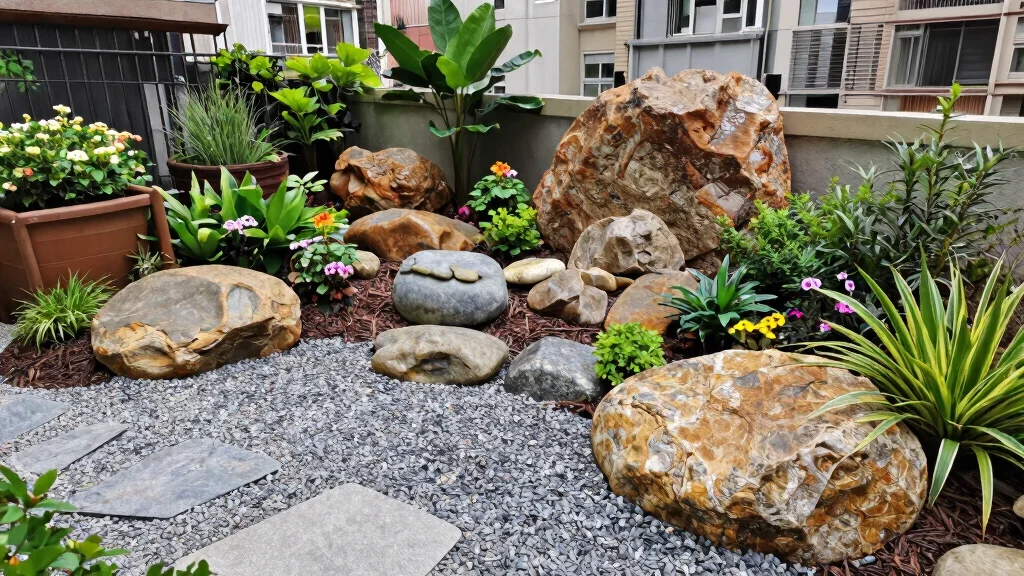
Vertical gardening is a fantastic way to maximize space and add visual interest to your garden. By using trellises, arbors, or wall planters, you can grow native plants that climb and thrive in a vertical setting. Imagine a beautiful wall of greenery that not only saves ground space but also attracts pollinators.
For successful vertical gardening, select climbing plants like Passionflower that not only beautify your space but also benefit local wildlife. Ensure your structures are sturdy enough to support plant growth and position your garden in areas with plenty of sunlight. This allows your plants to flourish while providing a stunning backdrop.
Key steps to get started:
– Choose native climbing plants for attractiveness.
– Ensure structures are sturdy for growth.
– Position gardens in sunny spots for optimal growth.
With vertical gardening, you create a stunning display while enhancing privacy and conserving water, making your landscape both beautiful and functional.
You Might Also Like

Implement Vertical Gardening Techniques
Editor’s Choice
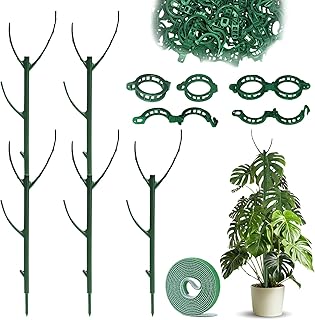
5pack Adjustable Plant Support Pole – Stackable Indoor/Outdoor Support…
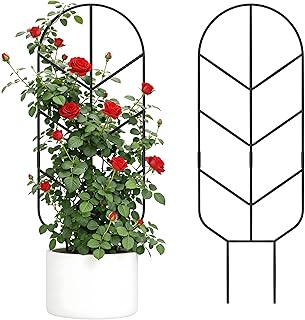
2 Pack 30” Large Metal Plant Trellis for Climbing Plants, Tall Plant Su…

6 Pack Hanging Planter Wall Planter Self Watering 5 inch Plant Pot with …
9. Create Outdoor Living Spaces with Natural Elements

Transform your outdoor space into a serene retreat by incorporating natural elements into your living areas. By adding a cozy seating area or an inviting fire pit surrounded by native plants, you can enjoy the beauty of your landscape while enhancing functionality. Picture yourself unwinding in a tranquil space, surrounded by the soothing sounds of nature.
Choose natural materials like stone or wood for your furniture to maintain harmony with your surroundings. Plant native trees for natural shade, creating a comfortable atmosphere for relaxation. Consider adding solar-powered lights to illuminate your space at night in an eco-friendly manner.
Key steps to get started:
– Use natural materials for furniture to blend in.
– Plant trees for shade around seating areas.
– Add solar lights for energy-efficient illumination.
By blending your garden with living spaces, you create a comfortable atmosphere that celebrates the beauty of the Texas Hill Country.
Create Outdoor Living Spaces with Natural Elements
Editor’s Choice

Wildflower Seeds Bulk Mix – 10,000+ Perennial & Annual Seeds – Texas, Ca…

Christopher Knight Home Crestline Outdoor Fire Pit, Natural Stone

HERA’S HOUSE Patio Furniture Conversation Set, Outdoor Swivel Glide Wick…
10. Embrace Seasonal Gardening

Embracing seasonal gardening is essential for a thriving landscape in the Texas Hill Country. Adapting your garden to reflect the changing seasons allows you to enjoy a dynamic and vibrant yard all year round. Imagine a garden that blooms with new colors and textures as the seasons shift.
To embrace seasonal gardening, start by researching which native plants bloom at different times of the year, helping you plan your garden effectively. Incorporating evergreens provides year-round structure, while rotating crops can enhance vegetable garden health. This approach fosters a deeper connection with nature and its rhythms.
Key steps to get started:
– Research native plants for seasonal blooms.
– Incorporate evergreens for year-round interest.
– Rotate crops to maintain soil health.
By celebrating seasonal changes, you create a captivating garden that delights the senses and strengthens your bond with the local environment.
Embrace Seasonal Gardening
Editor’s Choice

Gardening Log Book and Planner: Monthly Garden Planting Journal and Orga…

Texas Sage | 10 Live Plants | Leucophyllum frutescens | Drought-Tolerant…

Texas Oklahoma Wildflower Seeds Mixture – Bulk 1 Ounce Packet – Over 15,…
Conclusion

Transforming your outdoor space into a stunning, sustainable oasis is not only achievable but also rewarding. By embracing the natural beauty of the Texas Hill Country and implementing these landscaping ideas, you can create a vibrant garden that thrives while conserving water and supporting local wildlife.
From xeriscaping to seasonal gardening, every idea encourages a harmonious relationship with nature and fosters ecological health. Now is the perfect time to start planning your native garden and enjoy the natural wonders that Texas has to offer.
Note: We aim to provide accurate product links, but some may occasionally expire or become unavailable. If this happens, please search directly on Amazon for the product or a suitable alternative.
This post contains Amazon affiliate links, meaning we may earn a small commission if you purchase through our links, at no extra cost to you.
Frequently Asked Questions
What makes Texas Hill Country landscaping ideal for a drought-conscious garden?
Texas summers are hot and rainfall is unpredictable, so a thoughtful texas hill country landscaping plan thrives on native, drought-tolerant choices. Focus on sustainable landscaping ideas by building a layered, drought-resistant garden design and grouping plants by water needs, then mulch to lock in moisture. By emphasizing native plants for Texas landscapes and efficient irrigation, you can achieve natural beauty without wasting water.
Pro tip: start with a simple palette of 3–5 native shrubs and a few hardy perennials for color across the seasons.
Which native plants thrive in texas hill country xeriscapes and provide color without extra water?
A great starter list for a native texas hill country xeriscape includes Texas sage (Leucophyllum frutescens), Blackfoot daisy (Melampodium leucanthum), Little bluestem (Schizachyrium scoparium), Prickly pear cactus (Opuntia spp.), and Apache plume (Fallugia paradoxa). These drought-tolerant plants offer seasonal color and structure with minimal irrigation. Plant in groups by water needs to maximize efficiency, and mix in native grasses and groundcovers to maintain texture and visual interest.
This approach aligns with texas hill country landscaping goals and showcases the best of native plants for Texas landscapes.
How can I start a native-focused xeriscape in a small yard?
Begin with a sun/shade map of your yard and identify microclimates. Then pick 8–12 native plants suited to those spots to keep the palette cohesive. Prepare the soil with compost rather than heavy amendments, install a drip irrigation system, and mulch 2–4 inches to conserve moisture. Group plants by water needs, add a rain barrel or two for irrigation, and create simple pathways to reduce lawn area.
With these steps, you’ll achieve texas hill country landscaping that feels natural, water-smart, and easy to maintain while staying true to native plants for Texas landscapes.
How can I maintain natural beauty in landscaping while keeping water use low?
Go for texture, color, and form that endure dry periods. Use a mix of native plants for Texas landscapes, drought-tolerant grasses, and low-water perennials to create year-round interest. Add mulch, rocks, and vertical elements to reduce the need for frequent irrigation and mowing. Support wildlife with native flowering plants and avoid high-maintenance ornamentals that drink water. This approach delivers natural beauty in landscaping without sacrificing sustainability in your texas hill country landscaping.
What common mistakes should I avoid in a drought-resistant texas hill country garden?
Avoid overwatering and choosing non-native plants that demand more water. Don’t ignore soil drainage or microclimates (hot walls or shaded beds can dramatically change water needs). Also skip lumping together plants with very different water requirements and skip oversized irrigation systems. Plan for maintenance: prune thoughtfully, mulch well, and group plants by water needs. By steering clear of these missteps, your texas hill country landscaping stays beautiful, sustainable, and drought-ready.
Related Topics
Texas hill country landscaping
native plants for Texas
xeriscaping techniques
sustainable gardening
drought-resistant plants
natural landscaping
Texas gardening tips
wildflower gardens
low maintenance gardens
eco-friendly landscaping
seasonal plant choices
beginner gardening