
Creating a beautiful and functional walkout basement can be a game-changer for your home. This space often goes underutilized, leaving you with an area that could become a stunning part of your outdoor living experience. I’ve put together this post to inspire you with some creative and practical landscaping ideas that will help you take full advantage of every level your home offers.
If you’re someone who loves to garden or is looking to expand your outdoor living spaces, you’re in the right place. Whether you want to enjoy a cozy nook or cultivate an edible garden, there’s something here for everyone. These ideas are designed to spark your imagination and help you create a welcoming environment that suits your lifestyle.
By exploring these seven walkout basement landscaping ideas, you’ll discover how to transform your space into a functional and beautiful area. You’ll gain insights into everything from edible terrace gardens to calming water features. So get your green thumbs ready, and let’s dive into making your walkout basement shine!
Key Takeaways
– Edible Terrace Gardens: Learn how to set up tiered gardens that allow you to grow fresh herbs and vegetables right outside your door, adding beauty and bounty.
– Cozy Outdoor Living Spaces: Discover ways to create inviting seating areas that blend seamlessly with your walkout space for relaxation and entertainment.
– Water Features for Tranquility: Explore options for incorporating soothing water elements, like small ponds or fountains, to enhance your outdoor ambiance.
– Multi-level Planting Beds: Understand the benefits of using elevation in your garden design to create visual interest and maximize planting space.
– Sustainability with Native Plants: Get tips on choosing local plants that are easy to maintain, promote biodiversity, and contribute to a healthier ecosystem in your backyard.
1. Edible Terrace Gardens

Imagine stepping out into your walkout basement and being greeted by a flourishing edible terrace garden! It’s a delightful way to integrate gardening into your life, allowing you to grow fresh herbs, vegetables, and fruits right at your fingertips. Elevating your garden with tiered planting beds not only maximizes space but makes it easier to maintain and harvest your favorite produce.
Consider planting strawberries, fragrant herbs, and leafy greens that thrive in elevated settings. This not only creates a stunning multi-level display but also ensures that your culinary adventures are infused with farm-fresh ingredients. Colorful pots filled with vibrant herbs can add a touch of artistic flair to your terrace, making it both a feast for the eyes and a delight for your taste buds.
Ingredients:
– 5 wooden planters (or containers of your choice)
– Potting soil (enough to fill planters)
– 10 strawberry plants
– 5 herbs (like basil, mint, or rosemary)
– 10 leafy greens (like spinach or lettuce)
– Fertilizer (organic recommended)
– Drip irrigation system (optional)
Instructions:
1. Select a sunny spot for your terrace garden.
2. Arrange your wooden planters in tiers for easy access.
3. Fill each planter with potting soil, leaving a little space at the top.
4. Plant strawberries, herbs, and leafy greens in their respective planters.
5. Water thoroughly and add fertilizer as per instructions.
6. Set up a drip irrigation system for efficient watering if desired.
7. Harvest your produce as it ripens for fresh meals!
FAQs:
– Can I grow these plants in containers? Yes, they thrive in containers too.
– Can I use organic seeds? Absolutely! Organic seeds are a great choice for health-conscious gardeners.
Walkout basement landscaping makes every step count—turn your entry into thriving edible terrace gardens. With tiered beds, you can reach fresh herbs, strawberries, and greens right outside your door and harvest without a trip to the far end of the yard.
📹 Related Video: Our 60 sqft Edible Garden Transformation | from Building to Planting
Edible Terrace Gardens
Editor’s Choice

Garden Tools Set, 8 Piece Gardening Tools Set with Non Slip Ergonomic Ha…


LEETOLLA Elevate 32″ Tall Raised Garden Bed Outdoor with Wheels & Shelf …

Set of 43 Assorted Vegetable & Herb Seed Packets – Over 10,000 Seeds! – …
2. Cozy Outdoor Living Spaces

Looking to create a cozy outdoor retreat near your walkout basement? Picture a space filled with comfortable seating, surrounded by lush greenery and twinkling lights. This spot can transform your outdoor experience into a sanctuary for relaxation and entertaining friends.
A small fire pit can become the heart of your outdoor area, making chilly evenings inviting and warm. Adding weather-resistant furniture, soft cushions, and throws will wrap you in comfort, making it the perfect place to unwind after a long day.
Ideas for a cozy outdoor space:
– Use natural materials like wood and stone to seamlessly blend your basement with the garden.
– Add a pergola or umbrella for shade while keeping it inviting.
– String lights or lanterns can create a magical atmosphere for gatherings.
Incorporating fragrant flowers and soft ferns will enhance the ambiance, making it a tranquil haven for you and your guests. These spaces not only elevate your home’s value but also enrich your overall quality of life!
Finally, a cozy outdoor living space you’ll actually use—right in your walkout basement landscaping. Start with a small fire pit, weather-resistant seating, and warm throws, then top it with twinkling lights. Relax, entertain friends, and your yard becomes another inviting room.
Cozy Outdoor Living Spaces
Editor’s Choice
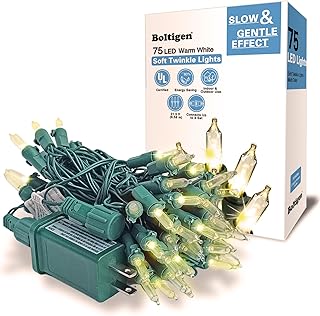
75 LED Soft Twinkle Lights, Slow Twinkling Christmas Lights, 37 of 75 Li…

Outland Living Portable Propane Fire Pit, 19-inch, 58,000 BTU with Fire …

Aiho 5 Pieces Patio Furniture Set All-Weather Outdoor Wicker Sectional P…
3. Water Features for Tranquility

Do you crave a peaceful retreat in your outdoor space? Adding a water feature to your walkout basement garden can create a serene ambiance that soothes the soul. The gentle sound of flowing water invites calmness and attracts lovely birds and wildlife to your garden.
Consider a charming small pond or a peaceful fountain that complements your landscape. By surrounding it with lush plants and colorful blooms, you create a sensory paradise that enchants the senses. A small waterfall integrated into a stone wall can serve as a stunning visual focal point.
Pros of incorporating water features:
– Enhances the aesthetic appeal of your garden dramatically.
– Creates habitats for local wildlife, enriching biodiversity.
– Provides a refreshing cooling effect during hot summer days.
Choosing the right water feature depends on your personal style and available space. A thoughtfully integrated water element can transform your walkout basement landscape into a tranquil oasis.
Water Features for Tranquility
Editor’s Choice

Aquascape DIY Backyard Pond Kit 8 x 11 feet – Complete Water Garden Ec…

Solar Fountain Pump 12W Solar Water Fountain With 3 Spray Nozzle Solar P…
4. Multi-level Planting Beds
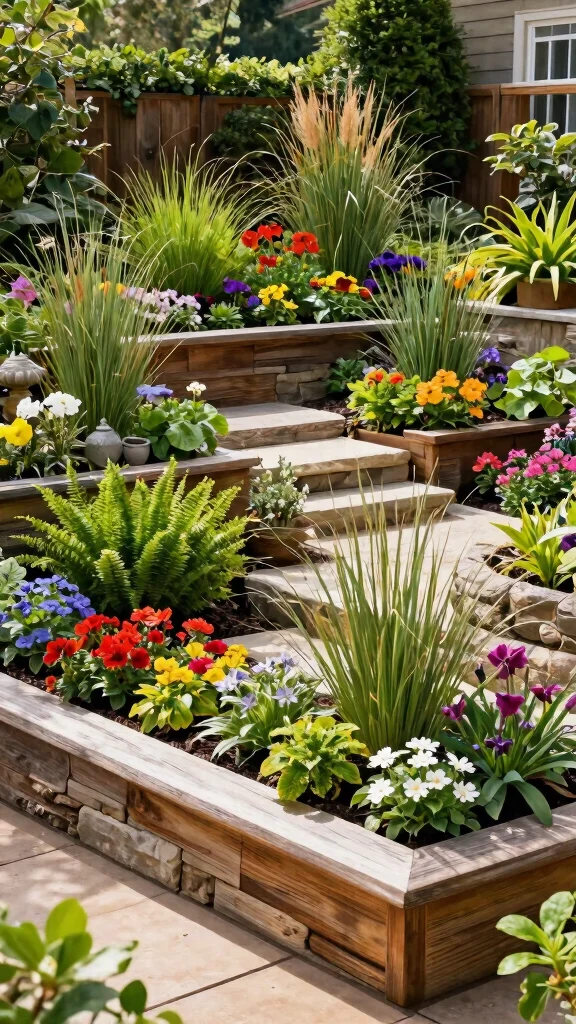
Want to make the most out of your yard’s elevation? Incorporating multi-level planting beds into your walkout basement landscaping can bring depth and visual interest to your outdoor space. These beds take advantage of the natural slope, creating a dynamic landscape that’s not only beautiful but functional.
Using materials like timber or stone will help define each level while adding character to your garden. Each tier can host a mix of vibrant annuals and hardy perennials, resulting in a stunning display of color and texture throughout the seasons.
Benefits of multi-level planting beds:
– They allow for efficient drainage, perfect for moisture-sensitive plants.
– The varied heights create a captivating garden that’s fun to explore.
– Mixing different heights ensures that all plants receive adequate light and airflow.
This design maximizes your outdoor space while enhancing the overall beauty of your backyard, making it a delightful place to relax and enjoy nature.
You might also like


Multi-level Planting Beds
Editor’s Choice

EasyFlex No-Dig Landscape Edging with Anchoring Spikes, 2.7 in Tall Deco…

FOREVER BAMBOO Natural Eucalyptus Wood Solid Log for Garden Edging Lawn …

Land Guard Galvanized Raised Garden Bed Kit, Galvanized Planter Garden B…
5. Vertical Gardening Walls
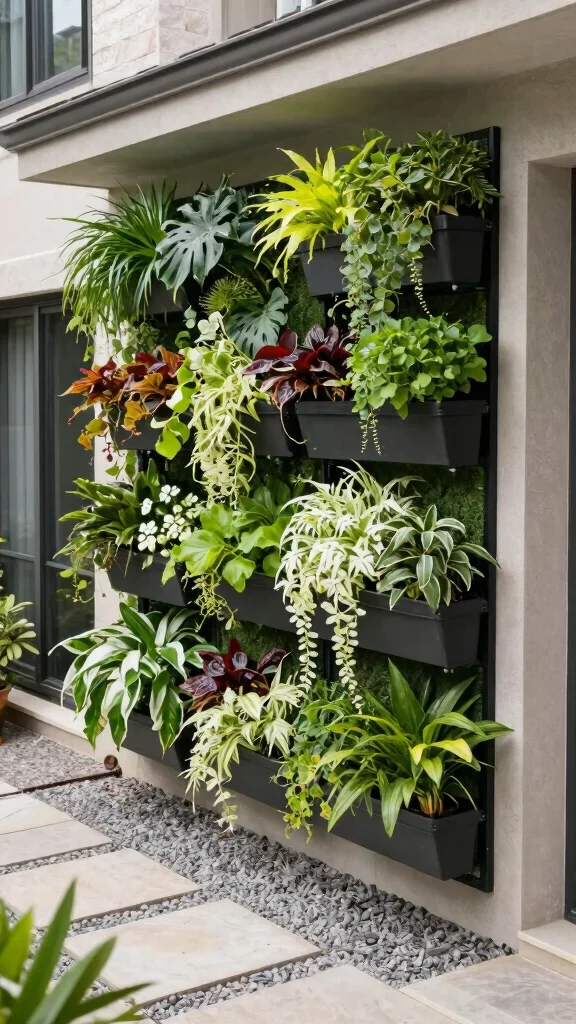
Craving to maximize your gardening space? Consider adding vertical gardening walls! These creative structures can transform a flat wall or fence into a lively canvas filled with your favorite plants. Perfect for walkout basements, vertical gardens can include a mix of ornamental plants, herbs, and even small vegetables.
Wall-mounted planters and trellises allow you to create stunning displays that add depth and interest to your garden. Planting climbing vines or cascading flowers can soften hard surfaces and infuse your space with life.
Tips for creating vertical gardens:
– Choose lightweight containers to avoid excessive strain on walls.
– Select plants suited to your local climate and light conditions.
– Incorporate drip irrigation systems for hassle-free watering.
This innovative approach not only enhances your outdoor living area but significantly improves air quality while providing habitats for beneficial insects.
Vertical Gardening Walls
Editor’s Choice
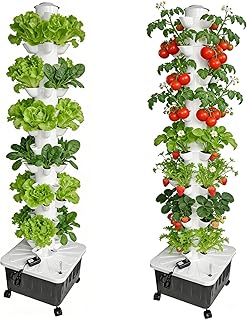
Hydroponic Tower, 14-Layer Hydroponics Growing System Kit with 70 Slots,…

TOREVSIOR 5-Tier Vertical Raised Garden Bed, Vertical Garden Planter wit…
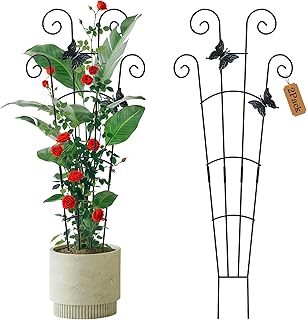
2 Pack 30 Inch Taller Plant Trellis for Potted Climbing Plants Indoor,Ex…
6. Seasonal Color Gardens

Are you looking to bring vibrant life to your walkout basement landscaping? Creating a seasonal color garden ensures your outdoor space is always filled with beauty. By selecting a diverse array of plants that bloom at different times, you can enjoy colorful blooms year-round.
Spring bulbs like daffodils and tulips give way to summer perennials such as coneflowers and daylilies. In the fall, colorful foliage from shrubs and trees creates a stunning backdrop, while winter can feature evergreen structures to maintain visual interest.
Key plants to consider:
– Spring: Tulips, Hyacinths, and Daffodils.
– Summer: Black-eyed Susans, Zinnias, and Hydrangeas.
– Fall: Asters, Sedum, and ornamental grasses.
By incorporating varied textures, heights, and colors, you can cultivate a dynamic environment that feels vibrant and engaging throughout the year, making your walkout basement garden a true retreat.
You Might Also Like
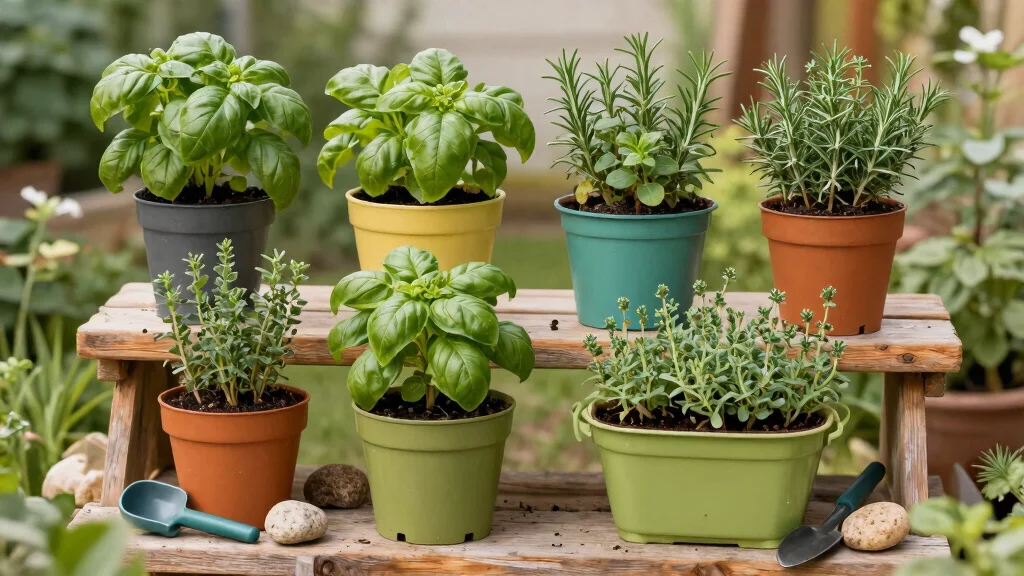

How To Choose The Right Edible Plants for Your Walkout Basement Garden
Choosing the right edible plants for your walkout basement garden can significantly enhance your outdoor living spaces. With proper selection, you can create a mini oasis filled with fresh herbs, vegetables, and fruits right at home. Here are some key factors to consider when picking the best plants for your unique space.
1. Assess Sunlight Availability
Understanding how much sunlight your walkout basement receives is critical. Most edible plants need at least 6-8 hours of direct sunlight each day. If your space is partially shaded, consider shade-tolerant options like leafy greens and certain herbs. Use a sunlight meter or just observe your garden throughout the day to determine where the sun shines the brightest.
2. Consider Your Climate Zone
Your local climate plays a significant role in plant selection. Research your USDA hardiness zone, which tells you what plants can thrive in your area. Warm-season crops like tomatoes and peppers do well in warmer climates, while cool-season crops like kale and broccoli prefer cooler temperatures.
3. Think About Plant Size
Since space in a walkout basement can be limited, consider the mature size of the plants. Compact varieties, such as dwarf fruit trees or smaller vegetable types, are ideal for tight spaces. For example, cherry tomatoes or bush beans take up less room than their full-sized counterparts. Always check the plant’s growth requirements before planting.
4. Choose Easy-to-Grow Varieties
If you’re new to gardening, it’s wise to start with easy-to-grow plants. Herbs like basil, mint, and chives are low maintenance and can thrive in containers. Vegetables such as radishes and lettuce grow quickly, allowing you to enjoy your harvest sooner. Opting for beginner-friendly plants will boost your confidence and ensure success.
5. Plan for Vertical Growth
Using vertical gardening techniques can maximize your space significantly. Look for climbing plants like peas or cucumbers, which can be trained to grow upward on trellises. Stacking planter boxes or hanging pots can also add dimension to your garden without taking up much ground space.
6. Keep Your Cooking Needs in Mind
Select plants based on what you love to cook. If you frequently use fresh herbs in your meals, consider growing parsley, cilantro, or oregano. If you enjoy salads, lettuce, tomatoes, and cucumbers can be great choices. Tailoring your plant selection to your culinary habits will make your garden more rewarding.
Pro Tip: Start with a small selection of plants and gradually expand your garden as you gain experience. This way, you can learn what works best in your space without feeling overwhelmed.
With these steps in mind, you’re well on your way to creating a successful walkout basement edible garden. By assessing sunlight, climate, size, and your cooking preferences, you’ll choose the best plants for your unique environment. Happy gardening!
Seasonal Color Gardens
Editor’s Choice

K-Brands Auger Drill Bit for Planting 2 Pack 1.6 x 16 Inch & 3.5 x 16 In…

XLUX Long Probe Deep Use Soil Moisture Meter, Water Monitor Indicator Se…

Gardeners Basics, Flower Seeds Packets for Planting 35 Individual Variet…
7. Sustainability with Native Plants

Looking to enhance biodiversity in your outdoor space? Incorporating native plants into your walkout basement landscaping is a smart way to promote sustainability. These plants are well adapted to your local climate and soil, requiring less water and maintenance than non-natives.
By choosing native species, you can attract beneficial wildlife like pollinators and birds, while minimizing the need for fertilizers and pesticides. This creates a self-sustaining ecosystem that thrives naturally and beautifully.
Benefits of using native plants:
– They provide essential habitats for local wildlife.
– They require less maintenance, making gardening easier.
– They enhance soil health and prevent erosion.
Designing a native plant garden is not just about beautifying your space; it’s a powerful ecological statement that resonates with your community.
Fun fact: Native plants can cut water use by up to 50% in walkout basement landscaping. By choosing local species, you create a low-maintenance, biodiverse habitat that thrives with less fertilizer.
Sustainability with Native Plants
Editor’s Choice
Set of 43 Assorted Vegetable & Herb Seed Packets – Over 10,000 Seeds! – …

HealthiStraw GardenStraw, 3 cu ft (20 lbs) All-Natural Mulch for Gardens…
Conclusion
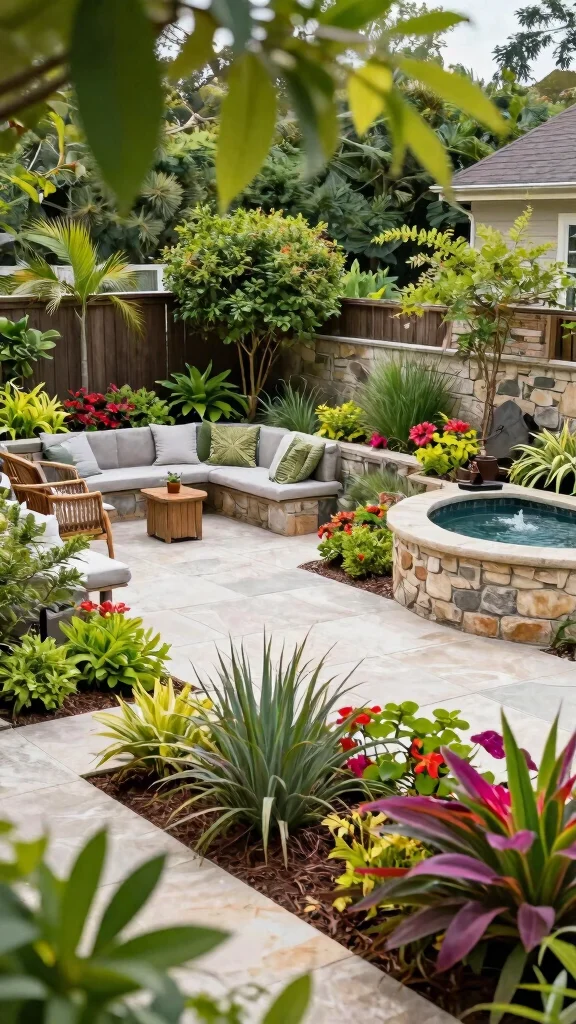
Transforming your walkout basement into a vibrant garden space not only enhances your outdoor living but also serves as a personal retreat filled with beauty and purpose. From edible gardens to serene water features, each idea offers unique benefits that elevate your home.
Consider which of these landscaping ideas resonates with you and your lifestyle, and start planning for a garden that reflects your vision. Your walkout basement can be a stunning extension of your home, inviting nature right to your door.
Note: We aim to provide accurate product links, but some may occasionally expire or become unavailable. If this happens, please search directly on Amazon for the product or a suitable alternative.
This post contains Amazon affiliate links, meaning we may earn a small commission if you purchase through our links, at no extra cost to you.
Frequently Asked Questions
What are the best walkout basement landscaping ideas to make the most of every level your home has to offer?
Think of your walkout basement as three outdoor rooms that work together. Start with a shaded herb or salad bed right outside the door, a sunny vegetable border on the mid-level, and a low-maintenance berry or perennial bed on the lowest level for year‑round interest. Use multi-level landscaping tips like raised beds and tiered retaining walls to create clear zones and improve drainage.
Choose plants that thrive in your microclimates on each level, opt for durable materials for pathways, and add family-friendly outdoor living spaces with a simple seating area and a small dining spot to maximize backyard terrace ideas and outdoor living spaces right off the walkout door.
For ease, pick a cohesive color palette and install drip irrigation or soaker hoses to keep edible crops healthy with minimal maintenance, turning walkout basement landscaping into a practical, delicious extension of your home.
How can I incorporate edible gardens into a walkout basement landscape?
Yes, you can turn the walkout basement into a productive edible garden with smart planning. Start by mapping sun exposure on each level, since upper tiers typically get more sun while lower terraces may be shadier. Use raised beds and vertical planters along sunny walls to maximize space and improve air flow. Save shade for leafy greens, herbs, and root crops on the lower, cooler levels, and put sun-loving vegetables like tomatoes and peppers on the upper tiers.
Install a simple drip irrigation system and compost bin to finish the system, and cover beds with mulch or low tunnels to extend the season. Consider lightweight cold frames for early starts and late-season harvests. With these basement garden design techniques, you can grow a tasty, space-efficient edible garden near your entryway.
What are practical tips for landscaping with elevation around a walkout basement?
Think elevation first: plan around the slope with terraces, proper drainage, and clear paths. Start with a site map showing each level and how water flows; install retaining walls that double as garden beds to create height without compromising stability. Choose native plants for erosion control and low maintenance, and mix edible perennials and seasonal crops that fit each level’s sun exposure. Use grid-like raised beds or smart vertical farming to keep things accessible. Finally, add lighting and handrails where levels change to improve safety and appeal during night use of landscaping with elevation features.
How do I create outdoor living spaces and a backyard terrace from a walkout basement layout?
Creating outdoor living spaces and a backyard terrace off a walkout basement is all about defining zones and sequencing access. Start with a furnished patio or deck just outside the door, then add a dining area, a low-maintenance herb or veg bed, and a lounging space with weatherproof furniture. Use pergolas, trellises, or privacy screens to frame views and create shade, and coat the ground with durable, slip-resistant materials. Connect levels with gentle steps and a clear path lighting plan so you can move from the walkout entry to the terrace smoothly. Add built-in planters for a tidy, cohesive look that supports your backyard terrace ideas and outdoor living spaces while keeping maintenance easy.
What are common mistakes in basement garden design and how can I avoid them?
Common mistakes include poor drainage and ignoring how water flows, which can lead to basement moisture issues. Other pitfalls are underestimating sun needs, resulting in crops that never fruit, and using soil that isn’t amended or tested for pH. Also watch for accessibility problems, such as designs that block egress or make levels hard to reach. To avoid these, start with a drainage plan, test and amend soil, match crops to each level’s light conditions, install a simple irrigation system, and keep pathways clear and well-lit. Planning for growth and practical maintenance will help you create a basement garden design that performs across seasons, with smart multi-level landscaping tips.
Related Topics
walkout basement landscaping
edible gardens
outdoor living spaces
basement garden design
multi-level landscaping
backyard terrace ideas
landscaping with elevation
beginner friendly
seasonal planting
DIY landscaping
urban gardening
sustainable design