
Creating an inviting walkway to your front door can transform the whole vibe of your home. Every time you walk up to your door, it’s like stepping into a warm embrace, a small joy that can easily be enhanced with the right plants. I made this post because I believe that your entrance should feel special, and that starts with the journey to your door. Whether you’re a seasoned gardener or just starting, you probably want your front yard to feel both welcoming and charming.
If you’re someone who loves gardening but is limited by the shade of your urban environment, this guide is perfect for you. You care about making a strong first impression, boosting your curb appeal, and creating a beautiful outdoor space that you can enjoy. By exploring these walkway landscaping plant ideas, you can create a stunning pathway that makes every step feel like an event.
In this article, you’ll discover seven fantastic plants that thrive in shaded areas. Each option is designed to add beauty, texture, and interest to your walkway. From lush hostas to colorful annuals, I’ve pulled together plant ideas that are not only easy to maintain but also bring life to your front yard. Let’s dive in and explore how you can transform your pathway into a breathtaking journey every time you come home.
Key Takeaways
– Use lush hostas to create a bold and leafy entrance that thrives in shade, enhancing your walkway’s appeal.
– Incorporate textured ferns for a delicate and interesting visual layer, ideal for dimly lit areas.
– Choose ornamental grasses to add vertical interest and movement to your pathway, making it dynamic and inviting.
– Select shade-loving ground covers for low-maintenance options that prevent weeds while enriching the garden bed.
– Add colorful annuals for seasonal pops of color, ensuring your walkway is lively throughout the year.
1. Lush Hostas

If you’re looking to enhance your walkway with dramatic flair, hostas are a perfect choice. These shade-loving perennials boast large, vibrant leaves in an array of greens, blues, and even golden hues, making your path inviting and lush. Their ability to thrive in low-light conditions means they work wonders in those tricky spots where sunlight is scarce, creating a beautiful edge that beckons guests to your front door.To make the most of hostas, consider mixing different varieties together for a playful contrast of colors and shapes. This approach not only adds visual interest but also creates a stunning focal point. Remember to apply a layer of mulch around them to keep moisture in and weeds at bay, allowing your hostas to flourish beautifully.Key planting tips:
– Select large-leaf varieties for a bold effect.
– Pair with ferns or astilbes for a layered look.
– Ensure good drainage to keep roots healthy.With hostas lining your walkway, you’ll create a warm, welcoming atmosphere that enhances your garden’s beauty.
📹 Related Video: Hosta Garden Tour at Walters Gardens
Lush Hostas
Editor’s Choice

Long Needle Pine Straw Mulch – 65-80 Sqft Coverage 1 Set – Premium USA H…


Hosta Seeds for Planting, 200+pcs Rare Perennial Hosta Flower Seeds, Non…
2. Textured Ferns

Looking to add a touch of elegance to your walkway? Ferns deliver a soft, inviting texture that dances in the breeze. Their delicate, feathery fronds thrive in shade, bringing life to your path without overwhelming the space. Whether you choose the classic Boston fern or an eye-catching Japanese painted fern, their intricate foliage introduces a lovely contrast to your garden’s design.When planting ferns, try grouping them together to form a lush carpet of greenery. This not only enhances their visual appeal but also helps create a serene atmosphere. Mixing different fern species will provide a rich tapestry of textures, making your walkway even more enchanting. Keep the soil consistently moist to keep your ferns happy.Quick tips for planting:
– Position ferns in front of taller plants for better visibility.
– Combine with shade-loving flowers for added bursts of color.
– Regularly check moisture levels to keep them thriving.With ferns gracing your walkway, you’ll enjoy a tranquil, inviting path that adds beauty and depth to your yard.
Textured Ferns
Editor’s Choice

Costa Farms Live Boston Fern Plants (2-Pack), Large 16-Inch Tall Hanging…
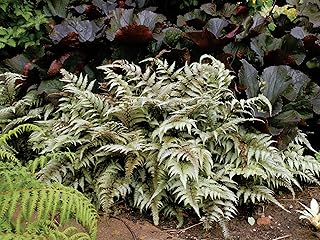
Greenwood Nursery: Live Perennial Plants – Japanese Painted Fern + Athyr…

Soil Sunrise Fern Plant Potting Soil Mix (8 Quarts) Custom Hand Blended …
3. Ornamental Grasses

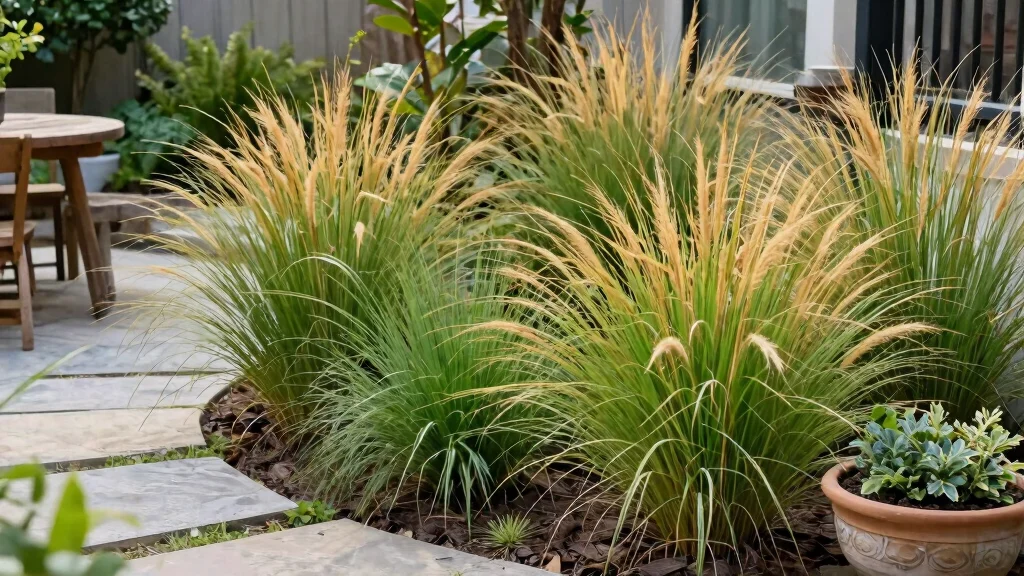
Infuse your walkway with movement and height using ornamental grasses. These eye-catching plants sway gently in the wind, creating a dynamic focal point in your garden. Available in vibrant greens and deep purples, they add texture and interest throughout the year. Whether opting for the elegant Japanese Forest Grass or the bold Miscanthus, these plants thrive in shady areas, making them a practical choice for any landscape.Arrange ornamental grasses along the sides or back of your path for a stunning backdrop that complements other plants. Their graceful sway provides a beautiful contrast to the more static foliage of hostas and ferns. Plus, they require minimal maintenance and can withstand dry conditions, making them perfect for busy urban settings.Helpful planting ideas:
– Trim back in spring for healthy new growth.
– Mix various grasses for a layered, textured appearance.
– Use larger grasses to create a dramatic focal point.Incorporating ornamental grasses will elevate your walkway’s charm, turning it into an eye-catching journey through your garden.
Ornamental grasses turn a shady walkway into a living ballet. Plant a few along the sides for movement, height, and year-round texture—the Japanese Forest Grass or Miscanthus thrive in shade, delivering color and structure you can actually maintain.
Ornamental Grasses
Editor’s Choice
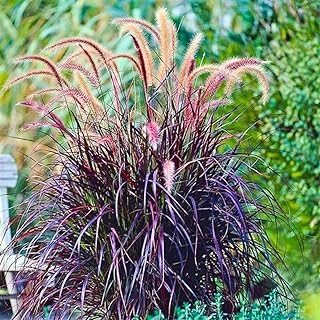
2 Purple Fountain Grass Live Plants, Perennial Grass Clumps for Outdoor …

(1) – Aureola Japanese Forest Grass – Starter Plant (5 m) (1 Live Plant)
4. Shade-Loving Ground Covers

If you struggle with patchy grass along your walkway, ground covers are the perfect solution. These hardy plants spread quickly, creating a lush carpet that softens your path while adding vibrant color. Consider options like periwinkle or creeping thyme, which thrive in shady spots and feature lovely blooms throughout the seasons.Beyond aesthetics, ground covers help stabilize soil and reduce maintenance compared to traditional grass. They also prevent weeds, ensuring your walkway remains neat and tidy. Plant them in clusters or as a seamless blanket beneath taller plants for a beautiful layered effect.Steps to get started:
– Combine flowering and non-flowering varieties for year-round interest.
– Create a solid foundation around stepping stones or pavers.
– Ensure enough spacing for growth to avoid overcrowding.With ground covers enhancing your walkway, you’ll enjoy a vibrant and low-maintenance solution that keeps your garden looking its best.
Did you know shade-loving ground covers are some of the best walkway landscaping plants and can cut lawn maintenance by up to 50%? They spread quickly—think periwinkle or creeping thyme—bloom all season, and thrive in shady spots.
You might also like

Shade-Loving Ground Covers
Editor’s Choice

Myrtle Vinca/Periwinkle Hardy Groundcover 50 Plants 2″ Pots

21500pcs Creeping Thyme Seeds for Planting Outdoor, Hardy Perennial Grou…

FEED GARDEN 4FT x 100FT Landscape Fabric Weed Barrier Fabric, Heavy Duty…
5. Low-Maintenance Perennials

Incorporating low-maintenance perennials can simplify your walkway design while keeping it visually stunning. Plants like astilbes and heucheras thrive in shade, offering vibrant flowers and colorful foliage that bloom from spring to fall. Their varied heights and colors create a captivating landscape that draws the eye and elevates your outdoor experience.Plant these perennials in clusters along your pathway to enhance visual interest and create a sense of flow. Their adaptability to diverse soil types and light conditions makes them perfect for urban gardens. Choose varieties that bloom at different times for continuous color throughout the growing season.Essential planting tips:
– Mix with foliage plants for a striking entrance.
– Cluster together for a bold, cohesive look.
– Regularly deadhead to encourage more blooms.With low-maintenance perennials lining your walkway, you’ll enjoy a hassle-free yet beautiful landscape that transforms your entrance into a welcoming sight.
Low-Maintenance Perennials
Editor’s Choice

HEUCHERA FLOWER GARDENING HORTICULTURISTS GUIDE FROM CULTIVATION TILL CO…

Bridal Veil Astilbe Flower Root – Attracts Butterflies and Hummingbirds …
6. Colorful Annuals for Seasonal Interest

Brighten up your walkway with annuals that provide colorful blooms throughout the year. Plants like impatiens and begonias thrive in partial shade and can be easily replaced every season for a fresh look. Their vibrant colors create a cheerful contrast against lush greens, instantly uplifting your outdoor space.Consider using annuals in movable pots or planters, allowing you to change their placement and style with the seasons. This flexibility lets you experiment with different color combinations and arrangements. Position them between perennials and ground covers for a lively pop of color that evolves beautifully throughout the year.Quick planting suggestions:
– Choose complementary colors for a cohesive look.
– Group annuals in clusters for maximum visual impact.
– Rotate plants seasonally for continuous interest.With colorful annuals enhancing your walkway, you’ll create a joyful and inviting atmosphere that welcomes everyone.
You Might Also Like


Top Varieties for Different Conditions
1. Hosta ‘Sum and Substance’
– Best conditions: Thrives in partial to full shade, perfect for cooler climates.
– Key features: Known for its massive, golden-yellow leaves, this hosta brings a bold presence to your walkway. It’s also low-maintenance and resistant to pests.
– Considerations: Requires moist, well-drained soil and can get sunburned in too much direct sunlight.
2. Lady Fern (Athyrium filix-femina)
– Best conditions: Grows well in shaded areas with rich, moist soil, making it ideal for urban gardens.
– Key features: This fern adds delicate, feathery foliage that softens hardscapes. It can grow 1-3 feet tall, providing a lush look.
– Considerations: Needs regular watering and can struggle in hot, dry spells.
3. Blue Fescue (Festuca glauca)
– Best conditions: Prefers full sun to partial shade and well-drained soil, perfect for temperate climates.
– Key features: This ornamental grass boasts striking blue-green foliage that stays compact at about 12-18 inches tall, creating a lovely border along pathways.
– Considerations: Drought-tolerant but can suffer if overwatered; ideal to keep it dry during rainy seasons.
4. Creeping Thyme (Thymus serpyllum)
– Best conditions: Thrives in full sun and well-drained soil, great for hot, dry climates.
– Key features: A fragrant, low-growing ground cover that produces tiny purple flowers. It’s perfect for filling in gaps and can handle foot traffic well.
– Considerations: Requires periodic trimming to prevent it from becoming too woody.
5. Astilbe (Astilbe spp.)
– Best conditions: Ideal for shaded areas with moist, rich soil, and does well in humid climates.
– Key features: Offers plume-like flowers in colors like pink, red, and white. The lush foliage and vibrant blooms create an inviting atmosphere.
– Considerations: Needs consistent moisture; if the soil dries out, the plants can suffer.
6. Impatiens (Impatiens walleriana)
– Best conditions: Thrives in partial to full shade and is perfect for adding seasonal color to urban gardens.
– Key features: With a wide range of colors, impatiens provide a pop of brightness. They bloom from spring until frost, ensuring your walkway remains eye-catching all year.
– Considerations: They are sensitive to cold; ensure planting after the last frost.
7. Unique Planter Displays
– Best conditions: Can be customized for any environment, from sunny to shady spots.
– Key features: Use containers with colorful plants like petunias or trailing vines to create visual interest. You can easily change these out seasonally for fresh looks.
– Considerations: Planters need proper drainage and regular watering, especially in hot months.
Climate/Condition Guide:
– Temperate: Most of the above options will thrive here. Aim for a mix of hostas, ferns, and colorful annuals for year-round interest.
– Continental: Choose hardy perennials like astilbe or ornamental grasses that can tolerate temperature shifts.
– Coastal: Select salt-tolerant varieties such as creeping thyme and ornamental grasses.
– Hot/Dry: Focus on drought-resistant plants like blue fescue and creeping thyme that can withstand the heat.
– Humid: Look for moisture-loving plants like astilbe and hostas.
Growing Tips:
– Regularly check soil moisture and ensure adequate drainage to help your plants thrive.
– Consider planting in layers along your walkway, with taller plants at the back and shorter ones at the front for a cascading effect.
– Use mulch to retain soil moisture and suppress weeds.
Avoid:
– Overwatering your plants, which can lead to root rot. Make sure the soil is well-drained.
– Planting varieties that are not suitable for your climate zone. Always check the hardiness zone before buying.
Colorful Annuals for Seasonal Interest
Editor’s Choice

500+Impatiens Mixed Seeds for Planting Outdoor-Perennial Impatiens Balsa…

Live Begonia – Dark Leaf Cocktail Red (4 Per Pack), Beautiful Shade Annu…

Veradek Demi Series Round Planter w/ Stand for Porch/Patio | Durable Pla…
7. Unique Containers and Planters

Don’t overlook the charm of containers and planters in your walkway landscaping! These versatile elements allow you to introduce height, color, and personal flair to your path. Select planters in unique shapes or materials to draw attention and fill them with seasonal flowers or shade-loving plants.Strategically place containers along your walkway to create focal points that enhance specific areas. Use taller planters at the entrance and smaller ones along the sides for a tiered effect that adds dimension. This approach not only beautifies your space but also offers the freedom to switch out plants as the seasons change.Tips for eye-catching displays:
– Mix colors and textures for an eclectic look.
– Group containers at varying heights for added interest.
– Use seasonal flowers to keep the look fresh.With unique containers gracing your walkway, you’ll enjoy a personalized and vibrant path that showcases your style and creativity.
Fun fact: Adding three containers of varying heights along your walkway can boost curb appeal by up to 30%. Fill them with shade-loving plants to showcase your walkway landscaping plants along the path and guide every visitor to your front door with style.
Unique Containers and Planters
Editor’s Choice

Veradek Block Series Long Box Planter – Large Rectangular Planter for In…

Ceramic Modern Glaze Succulent Planter Pot with Drainage Hole and Saucer…
Conclusion

Transforming your walkway into a beautiful landscape doesn’t have to be complicated, especially with so many stunning shade-tolerant plant options available. From lush hostas to colorful annuals and unique containers, each element plays a crucial role in elevating your outdoor space. Implementing these ideas not only enhances your curb appeal but also creates a warm, inviting atmosphere that makes every arrival feel special.
Consider trying out a few of these ideas in your own garden and watch as your pathway becomes a stunning showcase of nature’s beauty.
Note: We aim to provide accurate product links, but some may occasionally expire or become unavailable. If this happens, please search directly on Amazon for the product or a suitable alternative.
This post contains Amazon affiliate links, meaning we may earn a small commission if you purchase through our links, at no extra cost to you.
Frequently Asked Questions
What are the best shade-tolerant walkway landscaping plants for an urban front yard?
For a shaded urban front yard, start with reliable walkway landscaping plants that thrive in low light.
Try these options: Hostas (variegated types add bold foliage), Hellebores (early-season blooms), Japanese painted ferns (delicate fronds), Hakonechloa macra ‘Aureola’ (golden grass for glow), Epimedium (airy leaves and spring flowers), and Pachysandra terminalis or Vinca minor (groundcovers) to soften edges.
Place taller plants toward the back of the bed and lower ones by the path; aim for 2–3 different textures and color tones for front yard landscaping depth.
Ensure good drainage, amend soil with organic matter, and mulch to conserve moisture and reduce weeds.
With decorative pathway plants, you can keep the walkway looking inviting all year long.
How can I boost curb appeal with decorative pathway plants in a shaded front yard?
Curb appeal starts at the edge of the path.
Use a cohesive mix of shade-tolerant, decorative pathway plants that repeat along the edge.
Choose a simple color scheme (cool greens, silvery foliage, plus a touch of bloom) so it reads as a deliberate design.
Use plant groupings in drifts for impact and repeat the same species on both sides for balance.
Combine evergreen groundcovers like Pachysandra terminalis and Vinca minor with seasonal stars such as Hellebores or Epimedium.
Keep the path clear and avoid overgrowth; a tidy edge boosts curb appeal landscaping and makes your entry feel welcoming.
For walkway design tips, maintain a consistent 2–3 plant depth on each side and use mulch or decorative gravel to finish the border.
Which low-maintenance evergreen options work well along a shaded walkway for year-round color?
Evergreen structure is a big help in shade. Great walkway landscaping plants include Pachysandra terminalis (Japanese spurge) for a dense carpet, Vinca minor (periwinkle) for a trailing evergreen groundcover, and, where space allows, a tidy Hedera helix (English ivy) on a low wall or edging. These provide backbone color while you layer in seasonal accents with outdoor plant ideas.
Be mindful of local guidelines—some evergreens can be invasive in certain regions. Water after planting and mulch to help roots establish.
What are practical steps to plant and care for shade-tolerant walkway plants without trenching or heavy labor?
Here’s a simple, practical plan:
1) Assess drainage and sunlight along the path; 2) Improve soil with organic matter; 3) Lay out plantings in their final positions, leaving space for growth; 4) Plant in the ground or in shallow edging beds; 5) Water deeply after planting and apply 2–3 inches of mulch; 6) Set up a simple irrigation plan (drip line or soaker hose) to keep shade-tolerant plants evenly moist; 7) Apply light fertilizer in spring; 8) Prune and tidy edges after a season; 9) Replace crowded spots as needed; 10) Repeat textures and colors on both sides for a cohesive walkway design tips approach.
How can I create color and texture along a walking path using shade-tolerant plants across seasons?
Design with layers: foliage color, texture, and seasonal blooms.
Pair variegated leaves with solid greens for contrast, and mix broad leaves with delicate textures to add depth along the path.
Include early bloomers like Hellebores and Epimedium for winter-to-spring color, plus Hosta or Hakonechloa for structure and movement.
Keep a backbone of evergreen plants to maintain year-round interest and add seasonal color with outdoor plant ideas such as flowering perennials.
By using these decorative pathway plants and front yard landscaping principles, your shaded walking path stays inviting through every season.
Related Topics
walkway landscaping
shade-tolerant plants
curb appeal
decorative pathways
urban gardening
front yard design
easy landscaping
outdoor plant ideas
landscaping tips
seasonal plants
beginner friendly
pathway design