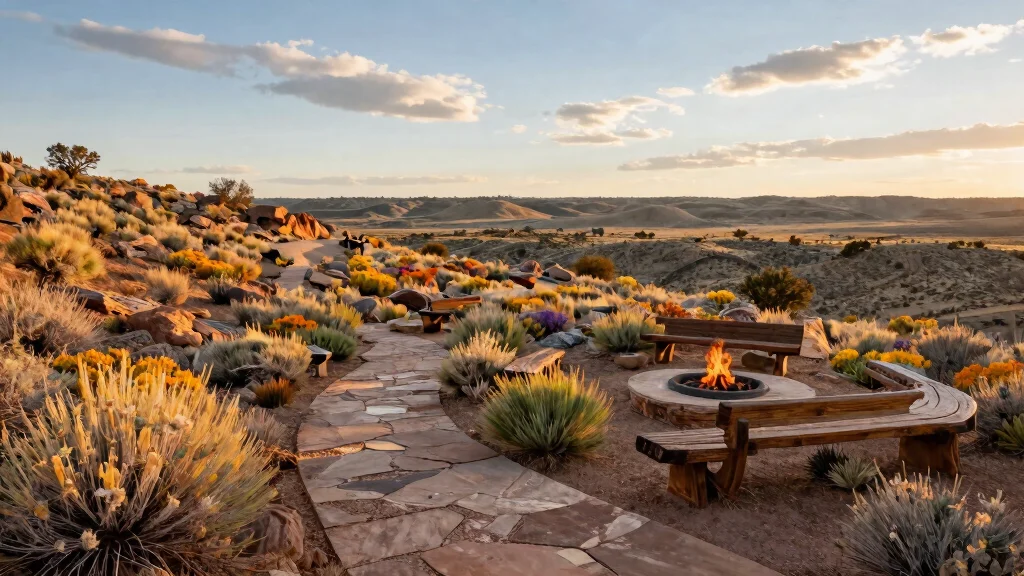
When it comes to creating a stunning outdoor space, the wide-open spaces of the West can be both a blessing and a challenge. This time of year, many of us find ourselves craving the rugged beauty that these landscapes offer. If you love gardening or want to spruce up your yard with a bit of Western charm, this post is for you. I’ve gathered together eight Western landscaping ideas that are rugged, beautiful, and perfectly suited to your expansive outdoor spaces.
With climate concerns on the rise, many are seeking ways to make their gardens more sustainable and drought-tolerant. You’ll discover how to embrace native plants, design cozy outdoor living spaces, and incorporate natural stone features that blend seamlessly with the environment. These ideas are not just visually appealing; they also help conserve water and require less maintenance.
In this guide, you’ll get practical tips and inspiration for creating a landscape that reflects the beauty of the West while being easy to care for. Whether you’re starting from scratch or looking to refresh your current garden, these ideas will help you create an outdoor oasis that you can enjoy for years to come.
Key Takeaways
– Embrace Native Plant Gardens: Use plants that thrive in your local environment for low maintenance and water conservation.
– Design with Drought-Resistant Plants: Select plants that require less water, ensuring your garden remains vibrant even in dry spells.
– Create Cozy Outdoor Living Spaces: Incorporate features like benches and fire pits to enhance your outdoor experience and make it more inviting.
– Incorporate Natural Stone Features: Use local stones to create pathways, walls, or decorative elements that enhance the rugged aesthetic of your landscape.
– Colorful Succulent Displays: Add visual interest with vibrant succulents, which are both drought-tolerant and easy to care for.
1. Embrace Native Plant Gardens
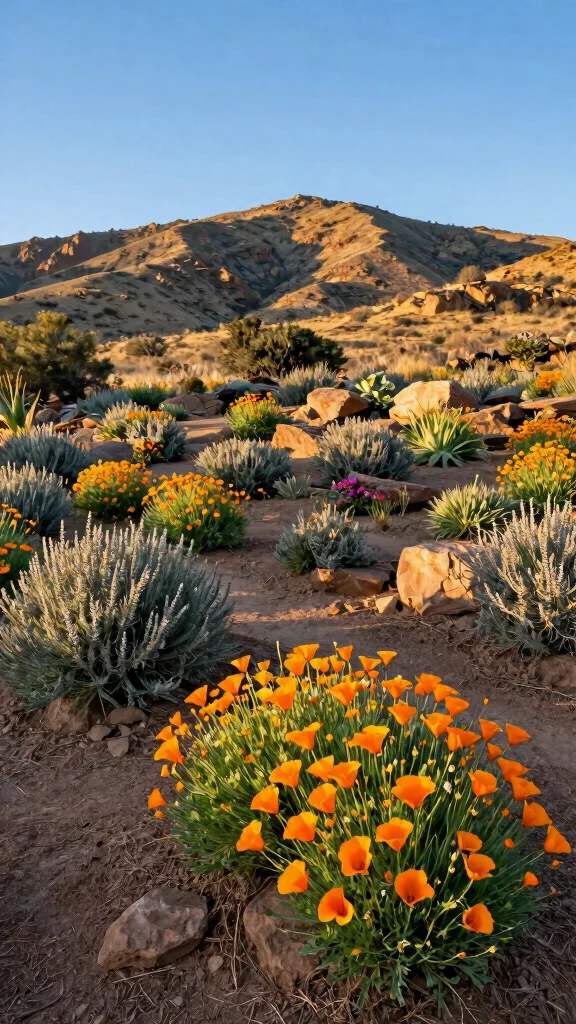
Native plants are a fantastic choice for your Western landscaping needs. They thrive in local conditions and require minimal water, making them an eco-friendly option. These plants not only beautify your space but also attract local wildlife, enhancing the biodiversity in your garden. Imagine bright California poppies swaying in the breeze or the delightful scent of desert sage filling the air as you enjoy your outdoor haven.
To create a vibrant native garden, group plants with similar watering needs and select a mix of heights for visual appeal. Adding organic mulch will help retain moisture and keep weeds at bay, allowing your plants to flourish.
Steps to cultivate a native garden:
– Explore local nurseries for native plant options.
– Combine perennials and annuals for year-round interest.
– Use natural stones to enhance rustic charm.
Your native garden will not only look stunning but also support local pollinators, turning your yard into a lively ecosystem.
Top Varieties for Different Conditions
1. Blue Grama Grass (Bouteloua gracilis)
– Best conditions: Adaptable to hot and dry regions where drought is common.
– Key features: This native grass thrives in poor soil and requires little water. Its fine texture adds a soft touch to any landscape.
– Considerations: It might not compete well in overly shady areas, so ensure it has plenty of sun.
2. Desert Willow (Chilopsis linearis)
– Best conditions: Ideal for hot, dry climates and well-drained soils.
– Key features: This small tree produces beautiful, trumpet-shaped flowers and can tolerate drought once established. Its unique appearance adds character to outdoor spaces.
– Considerations: Be mindful of its size; it can grow quite large, so plan accordingly.
3. Creeping Thyme (Thymus serpyllum)
– Best conditions: Works well in sunny spots and well-drained sandy or rocky soil.
– Key features: This ground cover is not only drought-resistant but also aromatic. It produces lovely purple flowers, attracting pollinators like bees.
– Considerations: Avoid overwatering, as it thrives on neglect.
4. California Poppy (Eschscholzia californica)
– Best conditions: Perfect for sunny locations in dry, sandy soils.
– Key features: This vibrant wildflower is the state flower of California. It blooms profusely with bright orange flowers that bring a pop of color to any landscape.
– Considerations: It is an annual plant, so it may need replanting each year for continuous blooms.
5. Lavender (Lavandula spp.)
– Best conditions: Thrives in sunny areas with well-drained soil, especially in hot climates.
– Key features: Lavender not only adds color but also a delightful fragrance. It attracts beneficial insects and can be used in cooking and crafts.
– Considerations: Ensure it has good drainage to prevent root rot.
6. Agave (Agave spp.)
– Best conditions: Excellent for dry, arid regions and rocky soils.
– Key features: This succulent is drought-tolerant and has striking architectural shapes, making it a stunning focal point.
– Considerations: Some varieties have sharp edges, so plant them where they won’t pose a hazard.
7. Western Red Cedar (Thuja plicata)
– Best conditions: Suitable for moderate climates with some moisture.
– Key features: This tree is known for its beautiful foliage and natural resistance to rot, making it great for landscapes and outdoor structures.
– Considerations: It needs some water during dry spells, especially when young.
Climate/Condition Guide:
When choosing plants for your western landscaping, consider your specific climate and conditions. For hot and dry areas, opt for drought-tolerant varieties like Blue Grama Grass or Agave. If you live in a more temperate region, Western Red Cedar may better suit your needs.
Consider the amount of sunlight and soil type. Sunny areas typically support a wider variety of plants, while shaded spots may limit your options. Also, ensure your choices complement your overall design, especially if you’re creating cozy outdoor living spaces.
Growing Tips:
– Water deeply but infrequently to encourage deep root growth in drought-tolerant plants. 🌱
– Mulch around plants to retain moisture and suppress weeds. 🌿
– Group plants with similar water and light needs to make maintenance easier. 💡
Avoid:
– Don’t plant water-loving species in drought-prone areas, as they will struggle. 🚫
– Avoid over-fertilizing; many drought-resistant plants thrive in poor soil and can be damaged by excess nutrients. ⚠️
Embrace Native Plant Gardens
Editor’s Choice
Back to the Roots 100% Organic Mulch, 58 Quart, Expanding Coconut Husk B…


California Poppy – Formula Mix – Large 1/2 Ounce Seed Packet – 10,…

GROWIT Plant Moisture Meter – Accurately Tells You When to Water Your Pl…
2. Design with Drought-Resistant Plants
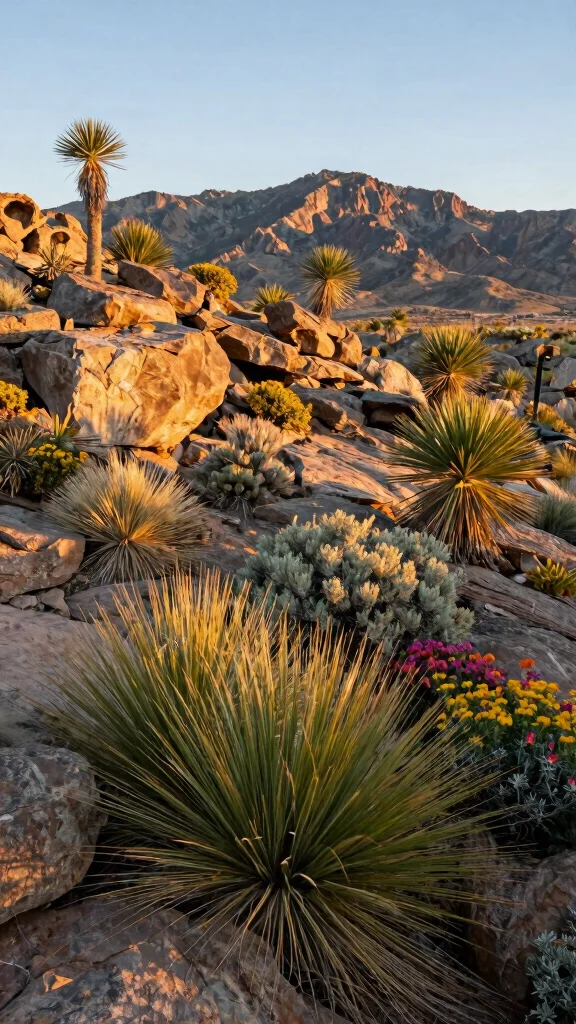
Drought-resistant plants are your best friends in Western landscapes, thriving with little water. Sagebrush, yucca, and agave not only save water but also bring unique textures to your garden. Picture the striking contrast between the sharp leaves of yucca and the gentle waves of ornamental grasses for a stunning visual impact.
When planning your garden, layer plants of different heights and textures to create depth and interest. Mixing evergreen and flowering varieties ensures your yard remains attractive throughout the year, while adding stone features like boulders enhances the rugged aesthetic.
Tips for incorporating drought-resistant plants:
– Cluster plants based on their water requirements.
– Set up a drip irrigation system for efficient watering.
– Add mulch to minimize evaporation.
Your drought-resistant garden will not only look beautiful but also require less maintenance, allowing you to enjoy the outdoors more.
Design with Drought-Resistant Plants
Editor’s Choice

Outsidepride Adam’s Needle Yucca Seeds for Planting – 100 Pcs Drought To…

Sustee Aquameter, Set of 5, Plant Soil Moisture Sensor (Green, Small)
3. Create Cozy Outdoor Living Spaces
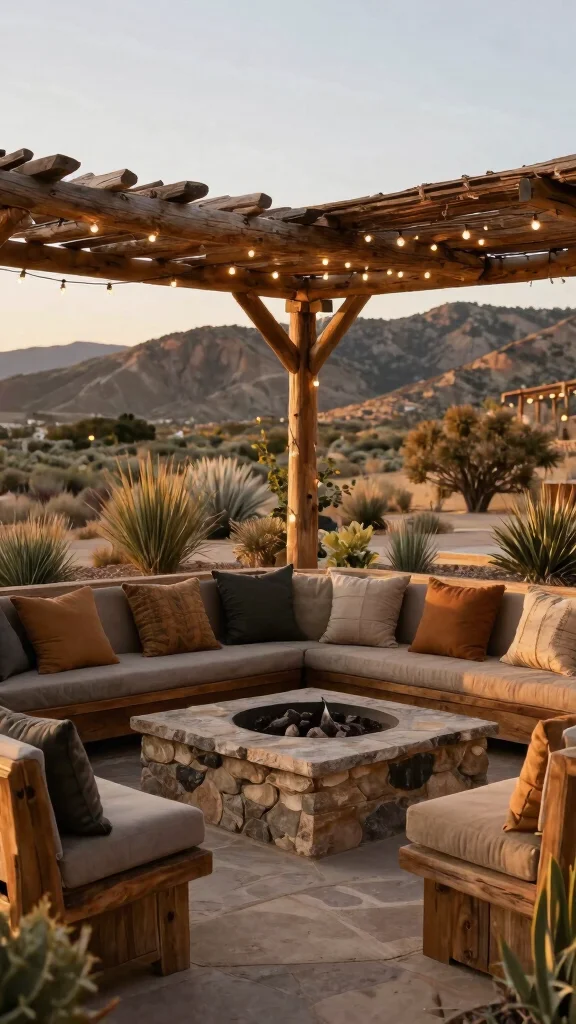
Outdoor living spaces invite you to enjoy the breathtaking beauty of the Western landscape right from your backyard. Imagine cozy spots for entertaining or lounging under the stars, with a fire pit that serves as the heart of your gatherings, offering warmth and ambiance.
Consider adding comfortable seating made from natural materials, like wood or stone, to create inviting areas. You could include cushioned benches or hammocks for relaxation, surrounded by aromatic herbs or colorful drought-tolerant plants to heighten the sensory experience.
Ideas for your outdoor space:
– Use natural stone paths for a rustic touch.
– Incorporate native plants for low upkeep.
– Add shade structures for comfort on sunny days.
Your outdoor living area can become a personal oasis, perfect for unwinding or entertaining friends and family.
📹 Related Video: Designer Tips for Creating Your Dream Outdoor Oasis | The McGee & Co Outdoor Collection
Create Cozy Outdoor Living Spaces
Editor’s Choice

Wnutrees Sawmill Long Wood Bench, 43″ Farmhouse Entryway Bench for Livin…

Outdoor Chair Cushions Set of 4: Waterproof & Fade Resistant Seat Cushio…

32 Inch Round Fire Pit with Mesh Cover, Fire Poker, Star and Moon Design…
4. Incorporate Natural Stone Features

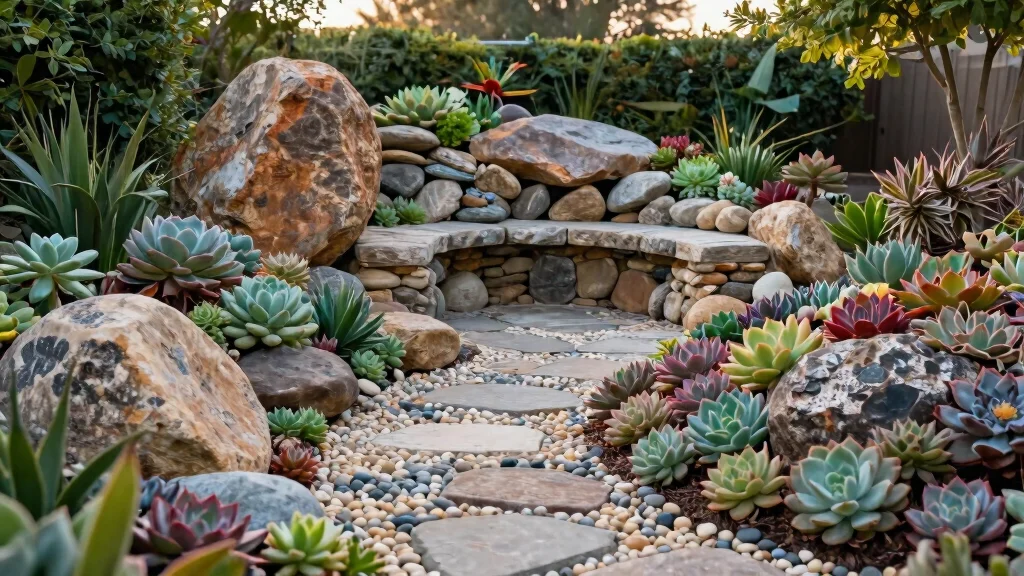
Natural stone features elevate your landscape’s rugged charm, bringing an authentic touch to your garden. Using local stones for paths, walls, or decorative elements connects your yard to the surrounding environment, creating a seamless integration of nature.
Choose stones that complement your landscape’s colors and textures, such as fieldstone, river rock, or granite, to enhance visual interest. Larger stones or boulders can serve as striking focal points or natural seating areas, while gravel simplifies maintenance and improves drainage.
Here’s how to use natural stone:
– Build tiered gardens with stone walls for depth.
– Define garden beds or pathways with stones.
– Create a rock garden with varied textures and colors.
Integrating natural stone into your design will create a stunning, cohesive look that blends effortlessly with nature.
Fun fact: Local stone features in western landscaping ideas cut irrigation needs by up to 30% and reduce maintenance time by half. Use fieldstone, river rock, or granite to create rugged focal points that blend with the landscape.
You might also like

Incorporate Natural Stone Features
Editor’s Choice

Virekm River Rocks, Decorative Ornamental Pebbles,Garden Landscaping Sto…
Aquascape Signature Series Skimmer 400/1000 Faux Rock Lid 43023

TierraVerde 4-Pack 18”x22” Natural Rock Rubber Stepping Stones, Grey…
5. Opt for Low-Maintenance Landscapes

A low-maintenance landscape can be a dream come true for busy homeowners. Western landscaping can be designed for beauty and minimal upkeep, focusing on drought-resistant and native plants that flourish without constant care.
Group plants to create a natural effect while simplifying maintenance. This arrangement not only improves watering efficiency but also enhances the aesthetic appeal of your garden. Using mulch helps suppress weeds and retain moisture, giving you more time to enjoy your outdoor space.
Low-maintenance landscaping tips:
– Select hardy plants that thrive with little care.
– Incorporate native options to attract beneficial insects.
– Design spaces for visual impact without excessive upkeep.
By choosing low-maintenance solutions, you can enjoy a stunning garden without the hassle of constant work.
Opt for Low-Maintenance Landscapes
Editor’s Choice

Rain Bird LNDDRIPKIT Drip Irrigation Landscape/Garden Watering Kit with …

HealthiStraw GardenStraw, 3 cu ft (20 lbs) All-Natural Mulch for Gardens…

Eden Brothers Zinnia Seeds – Queen Lime Mix, Non-GMO Seeds for Planting,…
6. Colorful Succulent Displays

Succulents offer a vibrant addition to your landscape, showcasing unique shapes and colors. Drought-resistant species are perfectly suited for Western gardens, providing low-water beauty. Think of classic aloe vera alongside eye-catching echeveria, arranged to create an eye-catching focal point.
Create a succulent garden with varying sizes and hues to keep things interesting. Use natural elements like rocks or driftwood as decorative accents or containers to add depth to your design. Vertical gardens featuring succulents can maximize space and create stunning displays.
For designing with succulents:
– Arrange them by texture and color for a cohesive look.
– Choose containers that highlight their natural beauty.
– Utilize them in pathways or as edging to define areas.
With careful planning, your succulent garden can be a vibrant and engaging focal point in your landscape.
Fun fact: Drought-resistant succulents like aloe vera and echeveria can cut water use by up to 50% in western landscaping ideas. Pair them with rocks and driftwood for a colorful, low-water focal point.
Colorful Succulent Displays
Editor’s Choice

YISZM 2LB Succulent and Cactus Colorful Pebbles, 3/8 Inch Pebbles for In…

Altman Plants Deluxe Live Succulents (6 Pack), No Duplicates, Assorted V…

Rosy Soil Cactus and Succulent Organic Potting Soil Mix for House Plants…
7. Add Artful Landscape Design Elements

Artistic elements in your landscape design can dramatically enhance its visual appeal. Whether it’s a serene water feature or a striking sculpture, these additions create focal points that enrich the rugged beauty of Western landscapes.
Consider installing a small pond or fountain that mirrors the surrounding nature, adding soothing sounds to your outdoor experience. Sculptures made from natural materials like wood or stone can also serve as conversation starters while blending seamlessly into your garden.
Tips for incorporating artful elements:
– Select pieces that reflect your personal style.
– Mix large and small elements for visual balance.
– Utilize color and texture to create harmony.
These thoughtful additions can elevate your garden, making it a unique and inviting space.
Artful landscape design elements elevate Western landscaping ideas into living art. Add a small pond or sculpture; these practical focal points boost curb appeal while staying drought-tolerant and easy to maintain.
You Might Also Like


Add Artful Landscape Design Elements
Editor’s Choice

Altman Plants Deluxe Live Succulents (12 Pack), 6 Unique Varieties in Se…

Ancient Graffiti Eight-Stone Balancing Cairn – Indoor/Outdoor Garden Dec…

Sunlinua 31.9″ S-Shaped Water Outdoor Fountain–Modern Cascading Waterf…
8. Create Functional Spaces for Relaxation
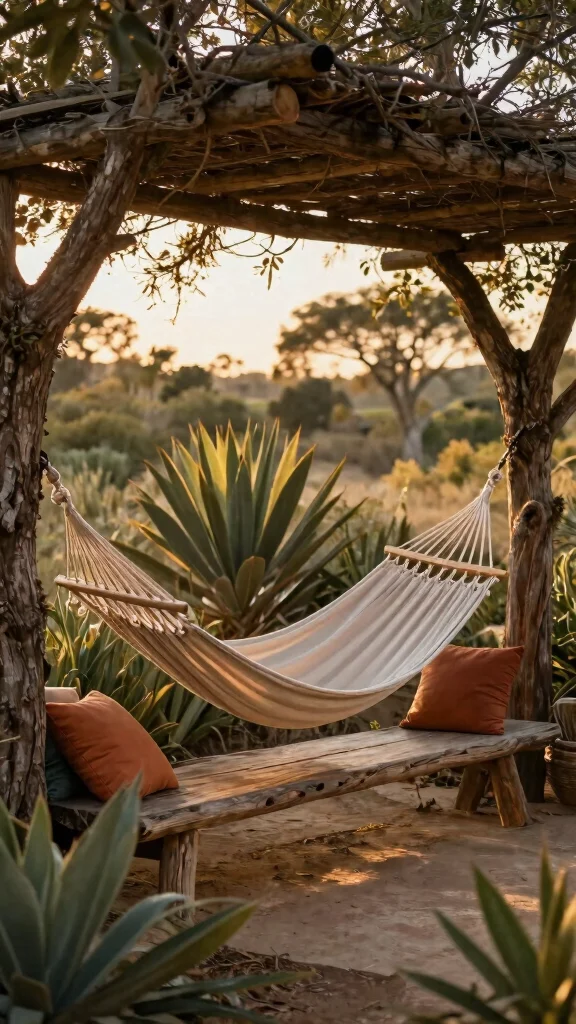
Creating functional spaces in your landscape encourages you to spend more time outdoors. Imagine areas dedicated to reading, meditating, or simply soaking in the beauty around you. Comfortable seating can turn your garden into a peaceful sanctuary away from daily stress.
Consider shaded spots with pergolas or umbrellas for comfort on sunny days. Hammocks strung between trees or cozy benches nestled among plants invite you to unwind and relax. Enhance these areas with decorative elements like lanterns or garden art to elevate the ambiance.
Ideas for relaxation spaces:
– Incorporate comfortable seating with cushions for style.
– Use natural materials like wood or stone for furniture.
– Surround the area with fragrant plants for a sensory experience.
These relaxing spaces can transform your garden into a personal oasis, perfect for enjoying nature’s tranquility.
Create Functional Spaces for Relaxation
Editor’s Choice

Durable Hammock 400 lb Capacity, Nylon Camping Hammock Chair – Double or…
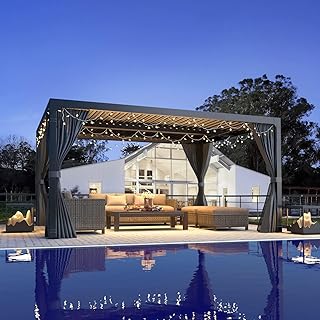
MELLCOM Louvered Pergola 10×12, Outdoor Rustproof Shelter with Adjustabl…

Garden Bench,Outdoor Benches,Iron Steel Frame Patio Bench with Mesh Patt…
Conclusion

Incorporating rugged beauty into your landscape not only enhances the aesthetic appeal but also respects the natural environment by using drought-tolerant, native plants. Whether it’s through native gardens, artful features, or cozy outdoor spaces, these Western landscaping ideas invite you to embrace the wild spirit of the outdoors. The best part? Each idea offers a unique way to create a sustainable garden that thrives in open spaces.
By implementing these tips, you can design a landscape that mirrors the beauty of the Western terrain while enjoying the benefits of low maintenance and water efficiency.
Note: We aim to provide accurate product links, but some may occasionally expire or become unavailable. If this happens, please search directly on Amazon for the product or a suitable alternative.
This post contains Amazon affiliate links, meaning we may earn a small commission if you purchase through our links, at no extra cost to you.
Frequently Asked Questions
What are the best drought-resistant plants for western landscaping ideas?
For drought-resistant plants that thrive in wide-open western spaces, try lavender, sage, yarrow, agave, yucca, gaillardia, penstemon, and native grasses. Plant them in native plant gardens or xeriscapes, grouping by water needs (hydrozones) to maximize efficiency.
Mulch 2–3 inches deep, improve soil with compost, and install a simple drip irrigation system to deliver water directly to roots.
Pair with light-colored rocks and mulch to reduce evaporation and keep beds cohesive with your landscape design.
How can I design rugged western landscaping ideas for wide-open spaces?
Begin with a simple axis, create strong focal points, and use mass plantings of drought-tolerant plants for impact.
Integrate natural stone features like boulder borders, stepping stones, or a low dry-stone wall to anchor the space.
Include an outdoor living spaces area—think a shaded seating zone or fire pit—that fits your climate and views.
Apply classic landscape design principles: scale, repetition, and balance with a cohesive color palette that mirrors the landscape.
What are practical hardscape ideas using natural stone features in western landscaping?
Go with durable, low-water options: flagstone walkways, stone borders, rock benches, gravel paths, and stepped patios.
Plan for drainage so rainwater soaks into the ground rather than pooling; grade surfaces gently to prevent erosion.
Blend hardscape with planting by repeating stone tones in planters or mulched beds and keep plantings drought-resistant and native plant gardens for a cohesive look.
How do I maintain a drought-tolerant landscape in the West throughout the seasons?
Install an efficient irrigation plan with drip irrigation and smart controllers, water early in the morning, and adjust for seasonal rainfall.
Mulch beds 2–3 inches deep to conserve moisture, prune dead wood to maintain plant structure, and replace thirsty annuals with perennial natives as they age.
Weed regularly, refresh mulch, and feed soils with compost to keep soil biology healthy for your western landscaping ideas.
Are there native plant gardens that work well in wide-open western spaces?
Absolutely. A native plant gardens approach follows western landscaping ideas by using regionally appropriate species.
Start by identifying your climate and sun exposure, then select 6–8 native perennials and grasses that bloom at different times for color year-round.
Group plants by water needs, add mulch, and include a few focal natives in the center of beds to anchor the design. Check with local extension services for the best lists and tips for your area.
Related Topics
western landscaping
drought-tolerant plants
native plant gardens
outdoor living spaces
landscape design
natural stone features
rugged beauty
low maintenance gardens
xeriscaping
sustainable landscaping
beginner friendly
wide open spaces