
If you’ve ever wandered through a wildflower meadow and felt a sense of peace wash over you, you know how powerful nature can be. That feeling has inspired me to create this post. In our busy lives, we often overlook the simple joys nature can bring. Wildflower landscaping is a beautiful way to reconnect with the earth while also helping our struggling pollinators. It’s a chance to let nature take center stage in your garden and create a space that feels alive and vibrant.
This guide is for anyone who loves gardening and wants to make their outdoor space more eco-friendly. If you’re into creating beautiful, low maintenance gardens, you’ll find these ideas fit perfectly with your goals. Whether you’re a seasoned gardener or just starting, this post offers practical tips and creative ideas to enhance your yard. You’ll discover how to plant a lively wildflower oasis and attract beneficial pollinators, all while making your garden thrive in harmony with nature.
Get ready to explore eight wildflower landscaping ideas that are not just eye-catching but also beneficial for the environment. From creating a butterfly-friendly garden to using native plants that require less care, you’ll find everything you need to enhance your outdoor space. These ideas are not only stunning but also practical, giving you the tools to design a garden that celebrates natural beauty while being kind to our planet.
Key Takeaways
– Create a Meadow-Like Oasis: Design a wildflower meadow that requires less upkeep and offers a natural habitat for wildlife.
– Focus on Pollinator Pathways: Incorporate plants that attract bees and butterflies, fostering biodiversity in your garden.
– Add a Wildflower Border: Use wildflowers as borders to define areas in your yard and add bursts of color throughout the seasons.
– Incorporate Edible Wildflowers: Discover the joy of planting edible varieties that you can enjoy in your meals while supporting local ecosystems.
– Sustainable Maintenance Practices: Learn eco-friendly maintenance strategies to keep your wildflower landscape thriving without harming the environment.
1. Create a Meadow-Like Oasis
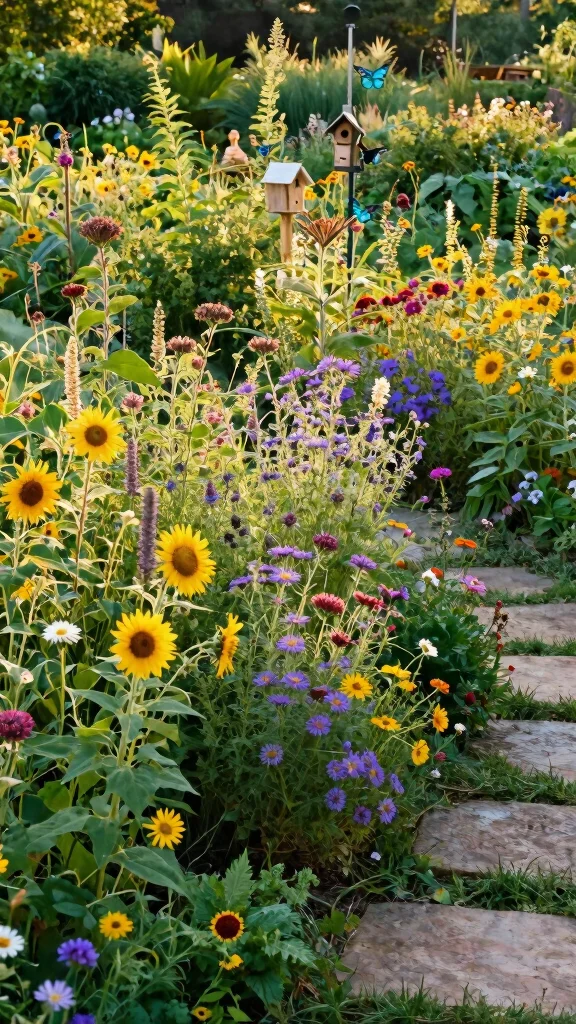
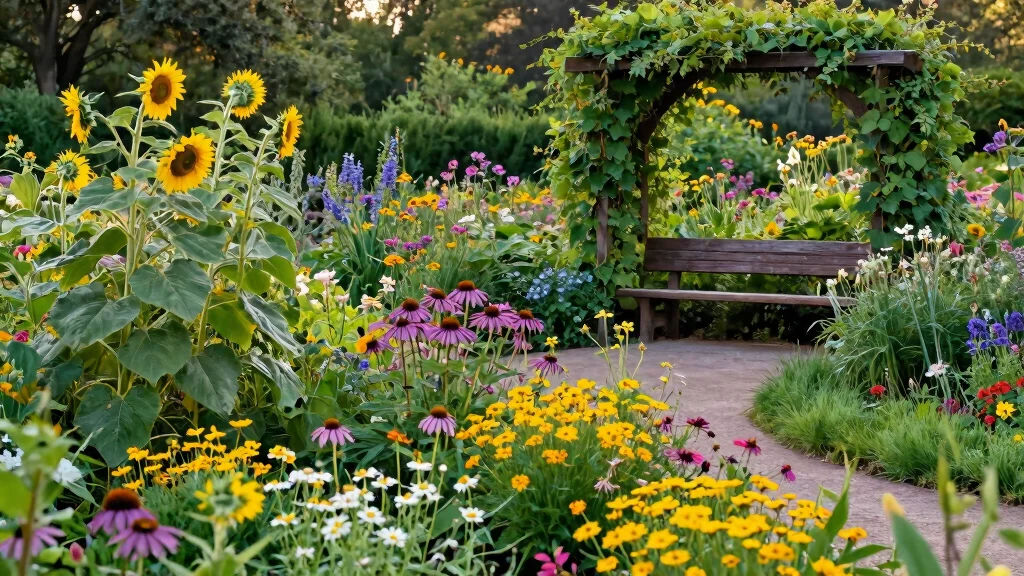
Imagine stepping into your yard, greeted by a vibrant meadow filled with native wildflowers. This enchanting design not only beautifies your space but also attracts essential pollinators like bees and butterflies, enhancing local biodiversity. By mixing colorful blooms with lush grasses, you create a lively environment that feels both natural and inviting.
Begin by selecting wildflowers that flourish in your region, such as asters, sunflowers, and milkweed. These plants provide food and shelter for various wildlife, making your garden a haven for nature. Group similar plants together to mimic nature’s layout, allowing some areas to flourish while keeping pathways clear for easy access. Use grasses as natural fillers for a cohesive look.
Key steps to create your oasis:
– Select native wildflowers suited for your climate
– Group plants in clusters for a natural appearance
– Leave open paths for accessibility and enjoyment
– Incorporate grasses for visual continuity
By embracing this approach, you’ll cultivate a thriving ecosystem that requires minimal upkeep while showcasing the beauty of nature in your yard.
📹 Related Video: How To Create A Wildflower Meadow in 1 Year!! Native Garden Makeover! DIY No Lawn
Create a Meadow-Like Oasis
Editor’s Choice

Burpee Wildflower 25,000 Bulk, 1 Bag, 18 Varieties of Non-GMO Flower See…


Rivajam 125 Phragmite Reed Mason Bee Tubes | Refill for Bee House, Hotel…

New Upgraded Butterfly House and Feeder for Outside – Wooden Butterfly H…
2. Focus on Pollinator Pathways
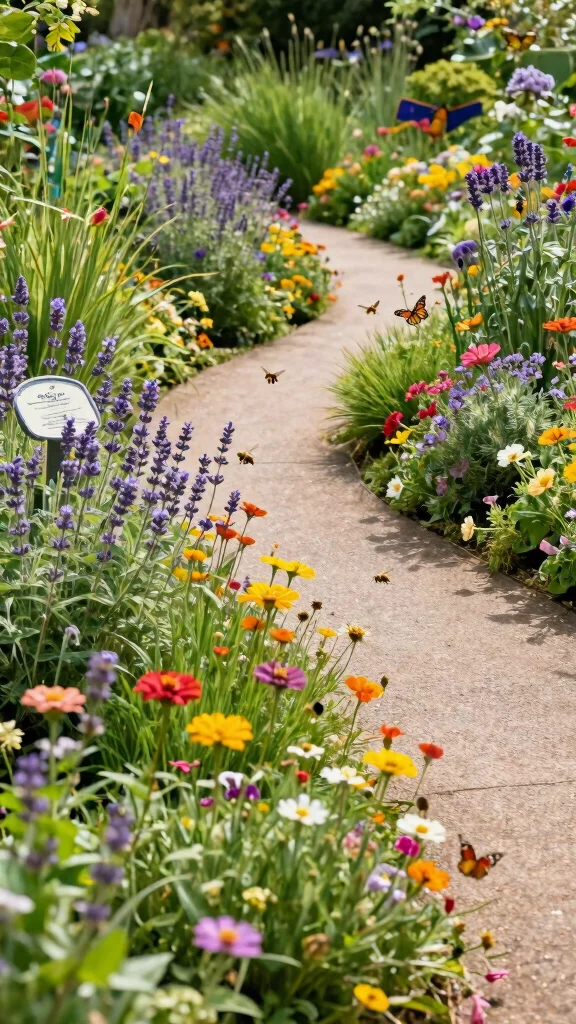
Creating pollinator pathways is an excellent strategy for enhancing the beauty and health of your garden. These vibrant strips of wildflowers serve as inviting corridors for bees, butterflies, and other beneficial insects, ensuring they have easy access to diverse food sources. This not only supports wildlife but also gives your garden a lively, colorful look.
To get started, lay out narrow paths filled with colorful blooms like sweet alyssum, lavender, and zinnias. These pathways can connect different garden zones or lead to cozy seating areas, creating a more interactive landscape. The best part? They require very little maintenance, especially when you choose drought-tolerant plants that thrive in your area.
Here’s how to effectively create pollinator pathways:
– Design narrow paths filled with vibrant wildflowers
– Use plants known for attracting pollinators
– Connect pathways to seating areas for interaction
– Select drought-resistant species for easy care
With these pathways, you’ll not only beautify your garden but also create a sanctuary for pollinators to thrive.
Focus on Pollinator Pathways
Editor’s Choice
Burpee Wildflower 25,000 Bulk, 1 Bag, 18 Varieties of Non-GMO Flower See…
3. Add a Wildflower Border

Wildflower borders can instantly elevate your landscaping while promoting an eco-friendly environment. These colorful borders can outline walkways, soften fences, or frame garden beds beautifully, adding a touch of charm to your outdoor space.
Choose a mix of low-growing flowers like creeping phlox alongside taller blooms such as cosmos for an exciting visual display. Incorporate native grasses as well to create movement and interest. For the best effect, plant taller flowers in the back, gradually transitioning to shorter plants in the front to create depth.
Steps to create your wildflower border:
– Mix low-growing and tall flowers for variety
– Plant in tiers for a visually dynamic look
– Include native grasses for added texture
– Ensure minimal maintenance through native plant selection
With the right combination, your wildflower borders will not only be a feast for the eyes but also a welcoming habitat for pollinators.
Fun fact: a native wildflower border can boost pollinator visits by up to 30% in a season. For best results in wildflower landscaping, mix low-growing phlox with tall cosmos to create color, movement, and practical beauty that guides paths and supports eco-friendly landscaping.
Add a Wildflower Border
Editor’s Choice

Wildflower Seeds Bulk Mix – 10,000+ Perennial & Annual Seeds – Texas, Ca…

Fiskars Trowel, Heavy Duty Gardening Hand Tool with Hang Hole, For Diggi…
Back to the Roots 100% Organic Mulch, 58 Quart, Expanding Coconut Husk B…
4. Incorporate Edible Wildflowers
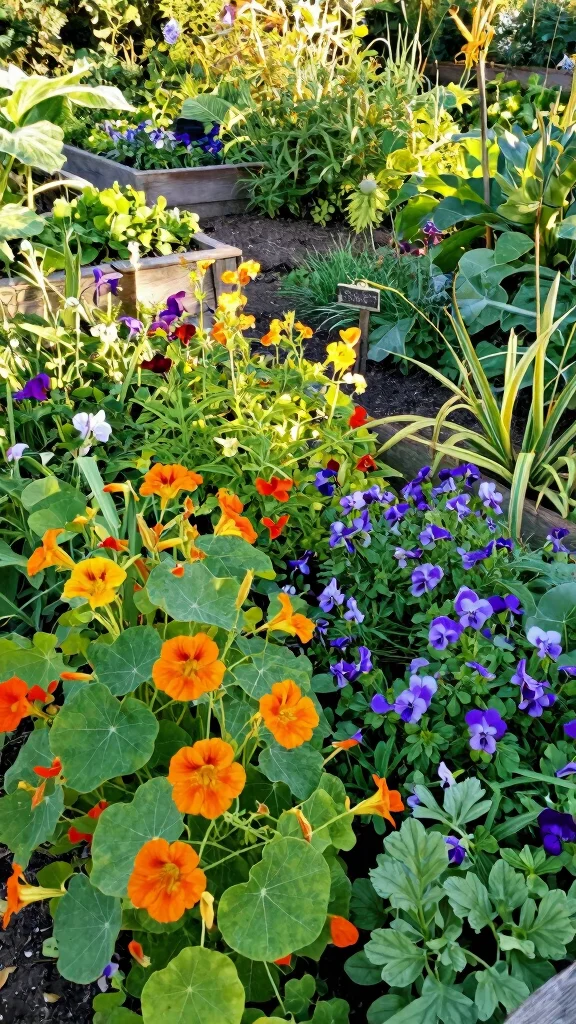
Wildflower landscaping can be both beautiful and functional by incorporating edible wildflowers. These unique plants not only enhance your garden’s visual appeal but also provide delightful additions to your meals.
Consider varieties such as nasturtiums, violets, and daylilies for their flavors and vibrant colors. These edible blooms can spice up salads and desserts while attracting pollinators to your garden. Designate a section of your garden for these wildflowers, pairing them with traditional vegetables or herbs for a practical yet stunning space.
Key tips for your edible garden:
– Include a variety of edible wildflowers for taste
– Pair with vegetables and herbs for diversity
– Use raised beds for an organized appearance
– Water regularly and practice organic pest management
By adding edible wildflowers, you’re not only beautifying your garden but also creating a source of fresh ingredients for your kitchen.
You might also like
How To Choose the Right Wildflower Plants for Your Garden
When it comes to wildflower landscaping, selecting the right plants is key to creating a thriving ecosystem. Native plants not only support local pollinators but also require less maintenance. Here are some essential criteria to guide your selection process:
1. Understand Your Climate Zone
Research your local climate zone to choose wildflowers that will flourish in your area. Different plants thrive in varying temperatures and moisture levels. Make sure to consider whether you live in a dry, temperate, or humid climate and select plants accordingly for the best results.
2. Prioritize Native Species
Native plants are adapted to your local environment and provide food and habitat for local wildlife. Look for wildflowers that are indigenous to your region, as they require less water and fertilizer. This not only promotes a healthier garden but also supports the local ecosystem, making your garden a haven for pollinators.
3. Consider Sunlight Availability
Evaluate the sunlight exposure in your garden. Some wildflowers prefer full sun, while others thrive in partial shade. Make sure to group plants with similar light requirements together for optimal growth. This simple step will yield a more vibrant and healthy garden.
4. Assess Soil Quality
The type of soil in your garden can significantly impact your plant selection. Test your soil’s pH and nutrient levels to determine what types of wildflowers will thrive best. Native plants often adapt well to local soil conditions, but it’s still good to know what amendments may be needed for healthier growth.
5. Plan for Bloom Times
Diversity in your selection ensures continuous blooms throughout the growing season. Choose a mix of early, mid, and late-blooming wildflowers. This not only enhances visual appeal but also provides consistent food sources for pollinators year-round.
6. Evaluate Maintenance Requirements
Select plants that align with your desired maintenance level. Some wildflowers require regular care, while others thrive on minimal attention. If you prefer a low maintenance garden, look for hardy native species that can withstand local conditions.
Pro Tip: Start small by planting a few varieties to see how they perform in your garden. This will help you understand their growth habits and interactions with local wildlife before expanding your wildflower landscaping. Try to incorporate a mix of colors and heights to create visual interest and attract a variety of pollinators. Happy gardening!
Incorporate Edible Wildflowers
Editor’s Choice

Seed Needs Nasturtium Seeds Jewel Mix Multicolored Edible Flowers | 1.5 …

Stella D’oro Yellow Daylilies – 10 Bare Root Perennials Re-Bloomer

1000+ Viola Seeds -Sweet Violet Flower Seeds for Planting Outdoors,Peren…
5. Create a Butterfly Garden

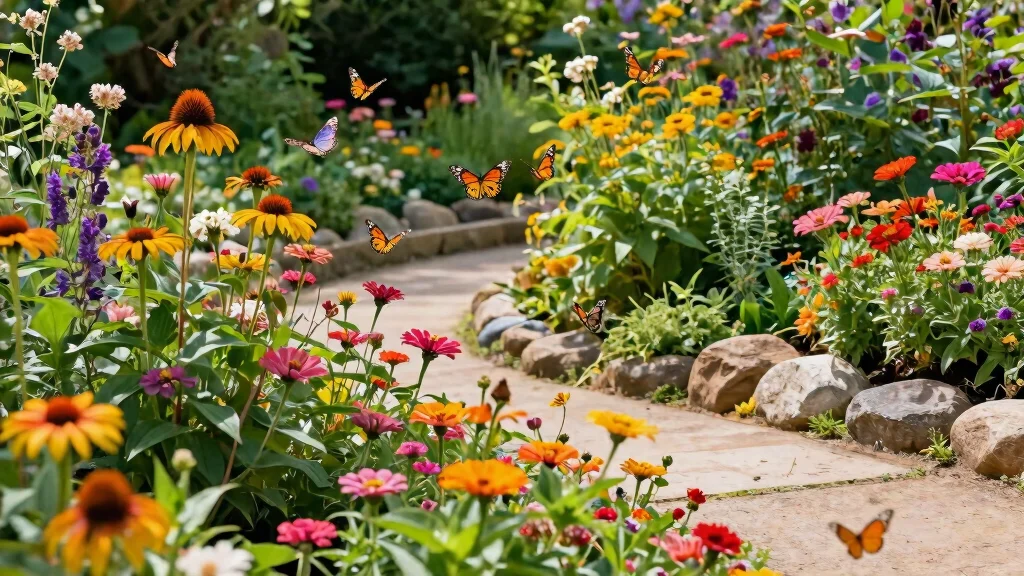
If you love butterflies, crafting a butterfly garden is a wonderful way to enhance your wildflower landscaping. These gardens not only provide essential habitats for butterflies but also add beauty and joy to your outdoor space.
Choose a variety of plants that support different life stages of butterflies. Include milkweed for caterpillars and nectar-rich blooms like lantana and coneflowers for adult butterflies. Group plants together to create colorful displays and ensure your garden has sunny spots with some shelter to attract these lovely insects.
Steps to design your butterfly garden:
– Select plants for all butterfly life stages
– Group plants for visual impact and fragrance
– Ensure sunny spots with shelter for butterflies
– Avoid chemicals to protect these delicate creatures
Creating a butterfly garden will make your outdoor area a delightful retreat, filled with the enchanting sight of butterflies fluttering from flower to flower.
Fun fact: a well-planned butterfly garden can attract 6–12 butterfly species in a single season. By grouping nectar-rich blooms like lantana and coneflowers and adding milkweed, you boost pollinator visits and bring more life to your wildflower landscaping.
Create a Butterfly Garden
Editor’s Choice

Hummingbird Nectar Wildflower Seeds – 1oz, Open-Pollinated Flower Seed M…

Clovers Garden Asclepias Tuberosa (Butterfly Milkweed) Plants – Two (2…
6. Use Ground Covers as Wildflower Alternatives
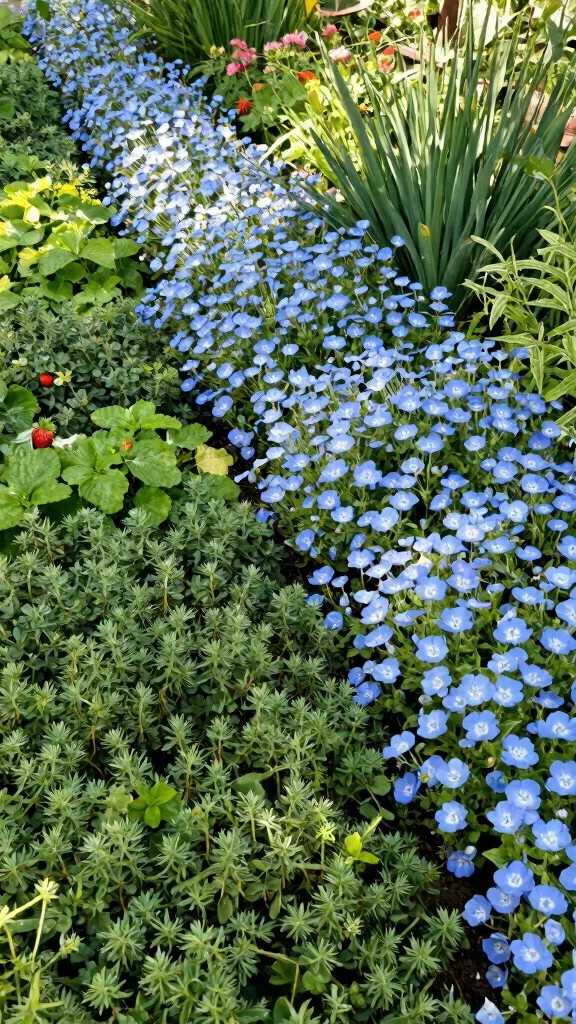
For a low-maintenance gardening option, consider native ground covers. These plants create stunning floral carpets while suppressing weeds and attracting pollinators.
Choose options like creeping thyme, wild strawberry, and blue phlox that thrive in various conditions. These ground covers are perfect for filling bare spots and helping with soil stability, making them ideal for erosion control as well. They also soften the edges of pathways and flower beds, allowing for a seamless transition between spaces.
Key benefits of ground covers:
– Select native varieties for easy care
– Fill gaps and suppress weeds effectively
– Use to soften garden edges and transitions
– Provide food and habitat for pollinators
By incorporating ground covers, you’ll achieve both beauty and functionality while enhancing biodiversity in your garden.
Use Ground Covers as Wildflower Alternatives
Editor’s Choice

30,000+ Pcs Creeping Thyme Seeds for Planting Low Growing Ground Cover f…

Easy to Grow Phlox Blue Paradise 1 Bareroot – Summer Fragrant Blue-Viole…

29000+ Magic Creeping Thyme Seeds for Planting Perennial Ground Cover Pl…
7. Incorporate Decorative Elements
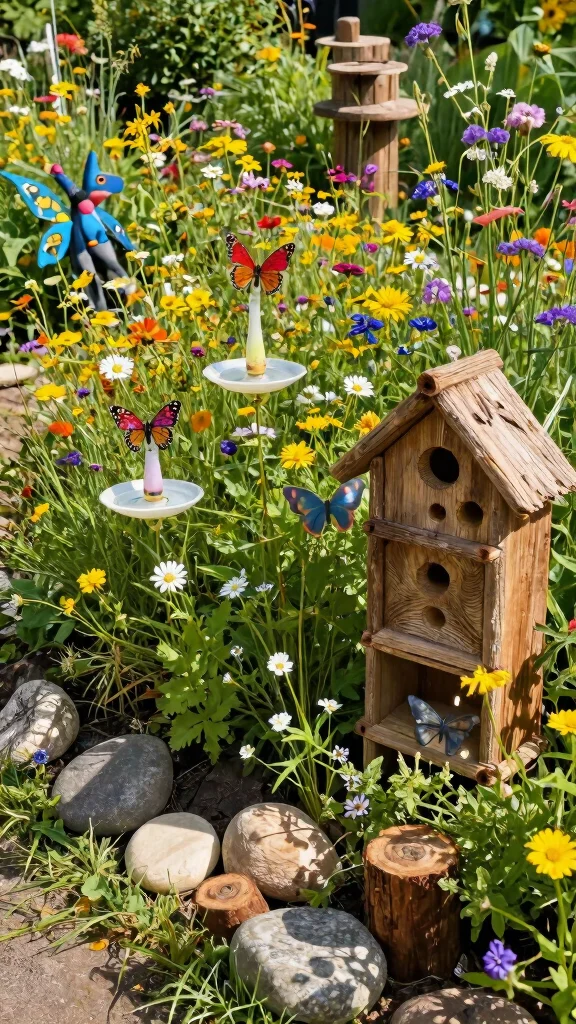
Adding decorative elements to your wildflower landscaping can infuse charm and personality while fostering ecological balance. Consider features like bee hotels, butterfly feeders, or whimsical garden art that invite nature closer to home.
Bee hotels attract solitary bees, enhancing pollination while allowing you to appreciate these fascinating creatures. Butterfly feeders filled with sugar water create a lively atmosphere, turning your garden into a vibrant hub. Install decorative stones or wooden logs to introduce new textures, and incorporate colorful birdbaths or unique sculptures that complement the wildflower theme.
Ways to enhance your garden with decor:
– Add bee hotels for natural pollination support
– Use butterfly feeders to attract beautiful insects
– Introduce decorative stones or logs for texture
– Incorporate art pieces that harmonize with flowers
These decorative touches will create focal points and visual interest, making your garden a welcoming retreat for both nature and yourself.
You Might Also Like


Incorporate Decorative Elements
Editor’s Choice

Slow Feeder Dog Bowl,3-Layer Adjustable Anti-Gulping Feeder,6.5 Cups Lar…

Metal Mouse Stealing Flower Statue – Garden Art Decoration, Outdoor Deco…

Mason Bee House – Wax Coated Bee Hotel for the Garden, Natural Handmade …
8. Sustainable Maintenance Practices

To keep your wildflower landscape thriving, adopting sustainable maintenance practices is essential. This approach minimizes waste and reduces reliance on chemicals, aligning with eco-friendly gardening principles.
Start by implementing rainwater collection systems to provide your plants with natural moisture while reducing water waste. Group flowers based on their water needs for efficient irrigation. Encourage beneficial insects like ladybugs and lacewings to help control pests naturally by creating habitats such as small ponds or insect hotels. Regularly mulch and compost to enrich your soil, improving moisture retention and suppressing weeds.
Key practices for sustainable maintenance:
– Use rainwater systems for efficient watering
– Group plants by water needs for easy care
– Encourage beneficial insects for natural pest control
– Practice mulching and composting for soil health
By embracing these sustainable practices, you’ll foster a vibrant wildflower landscape and contribute to a healthier planet for future generations.
Smart, sustainable maintenance keeps wildflower landscaping thriving with less waste. Collect rainwater, group plants by water needs, and invite ladybugs and lacewings to naturally curb pests—no harsh chemicals required.
Sustainable Maintenance Practices
Editor’s Choice
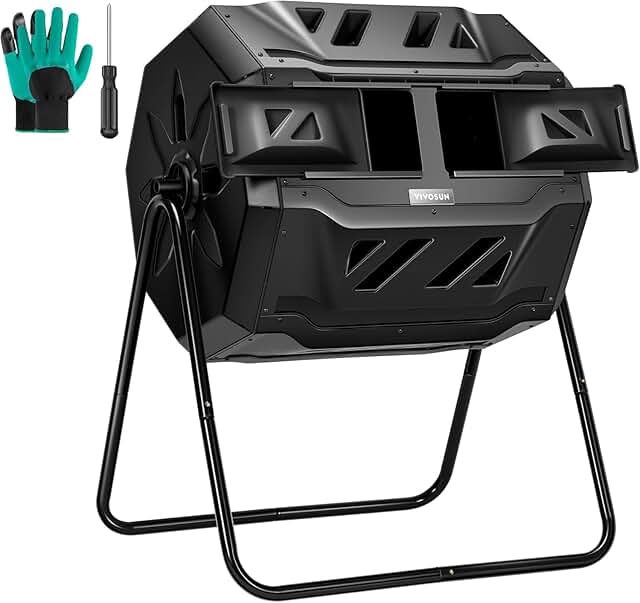
VIVOSUN Outdoor Tumbling Composter Dual Rotating Batch Compost Bin, 43 G…
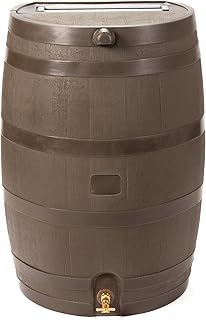
RTS Home Accents 50-Gallon Rain Barrel with Brass Spigot, Flat Back Rain…

Lulu Home Wooden Insect House, Hanging Insect Hotel for Bee, Butterfly, …
Conclusion
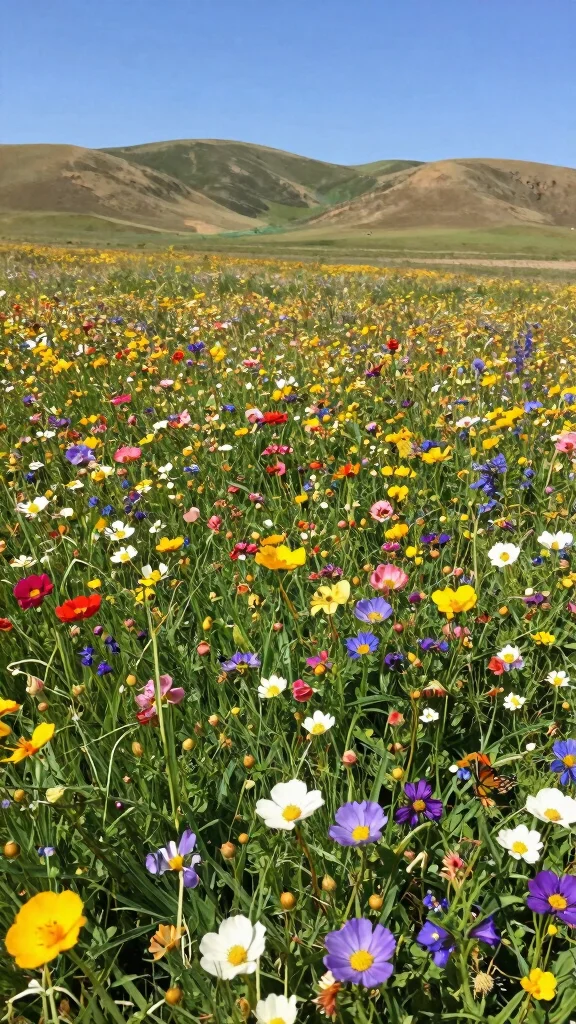
Wildflower landscaping is not just a trend; it’s a celebration of nature’s beauty and a commitment to ecological responsibility.
By embracing these wildflower landscaping ideas, you can create a picturesque garden that serves as a haven for wildlife and a delightful retreat for yourself.
So grab your gardening gloves and start planning your colorful, low-maintenance wildflower oasis today!
Note: We aim to provide accurate product links, but some may occasionally expire or become unavailable. If this happens, please search directly on Amazon for the product or a suitable alternative.
This post contains Amazon affiliate links, meaning we may earn a small commission if you purchase through our links, at no extra cost to you.
Frequently Asked Questions
What is wildflower landscaping and how can it support pollinator habitats?
Wildflower landscaping is designing with native plants and other regionally suitable wildflowers to create a meadow-inspired landscape that supports pollinator habitats. It focuses on biodiversity, seasonal color, and a more natural look while often reducing upkeep when planned for self-seeding and proper maintenance.
Getting started: choose a diverse mix of bloom times, group plants in drifts, and place species according to sun and soil needs. Use a light mulch, and avoid broad-spectrum pesticides to protect bees, butterflies, and other pollinators. Let a portion of the area grow in a more natural state to invite wildlife and soil life.
Which native plants work best for a pollinator-friendly wildflower landscaping project?
Great options include milkweed (Asclepias), bee balm (Monarda), purple coneflower (Echinacea), purple prairie coneflower (Rudbeckia), New England aster (Symphyotrichum novae-angliae), and goldenrod (Solidago). Mix these with native grasses for texture and year-round coverage. Plant in sunny patches for maximum nectar and provide continuous bloom by selecting species that flower at different times to keep a steady food source for pollinators. This is a core part of pollinator-friendly landscapes and native plants strategy.
How can I design a low-maintenance, eco-friendly wildflower landscape?
Start with a simple plan: map the space, choose a seed mix of regionally appropriate native plants, and design drifts rather than tight borders for a natural look. Embrace eco-friendly gardening by minimizing lawn, mulching deeply to conserve moisture, and letting self-seeding do some work for you. For maintenance, mow only once a year or selectively cut back after periods of flowering to maintain low maintenance gardens while still supporting pollinator habitats. Install rain barrels and drought-tolerant varieties to further reduce irrigation needs. This approach also helps create natural beauty gardens that feel effortless.
Will wildflower landscaping reduce water use and maintenance in my garden?
Yes. Native wildflowers typically have deeper roots and are adapted to local rainfall, which means less watering and less fertilizer. A well-planned wildflower landscaping reduces lawn mowing and herbicide use, contributing to eco-friendly gardening and low maintenance gardens. However, establishment in the first season may require regular watering and some weeding.
What maintenance and seasonal care does a natural beauty garden with wildflowers require?
Seasonal tasks include spring sowing or planting, deadheading some species to encourage rebloom, and mowing or cutting back in late fall or after seed set to mimic meadow cycles.
Plan for reseeding in late summer or fall to keep the bed full and resilient. Monitor for invasives and pests, but avoid chemical controls to protect pollinators. Over time, this becomes a natural beauty garden that supports pollinator habitats with minimal ongoing effort.
Related Topics
wildflower landscaping
native plants
eco-friendly gardening
pollinator habitats
low maintenance gardens
natural beauty gardens
sustainable landscaping
beginner friendly
seasonal blooms
xeriscaping
garden design
wildflower meadows