Creating a vibrant, colorful yard filled with wildflowers is more than just a gardening trend; it’s an opportunity to weave nature into the fabric of your home. This time of year always reminds me of the warmth and joy that comes from seeing bees buzzing and butterflies dancing among the blooms. If you’re someone who loves the charm of a natural landscape and wants to support local wildlife, this post is for you. You’ll find eight engaging ideas that will transform your outdoor space into a lively sanctuary.
With wildflower landscaping, you can create an eye-catching display while providing essential habitats for pollinators. The colorful flower beds not only brighten your yard but also boost backyard biodiversity. Imagine stepping outside to a symphony of colors and the gentle hum of bees. I pulled together eight ideas that are simple, fun, and perfect for anyone looking to enhance their garden while making a positive impact on the environment.
Whether you’re a seasoned gardener or just starting, these tips will inspire you to cultivate a beautiful, sustainable landscape. You’ll learn how to incorporate native plants into your garden and make choices that benefit both your aesthetic and the ecosystem. Let’s dive in!
Key Takeaways
– Explore how to create a colorful wildflower meadow that attracts a variety of pollinators and enriches your garden.
– Learn to design layered flower beds to provide visual interest and structural support for different plant types.
– Discover the importance of incorporating native plants and how they can thrive in your local environment while attracting beneficial insects.
– Find out how to build a wildflower border that enhances your yard’s curb appeal and provides a habitat for wildlife.
– Get insights on establishing a habitat garden specifically designed to support pollinators, ensuring your yard becomes a hub of biodiversity.
1. Create a Colorful Wildflower Meadow

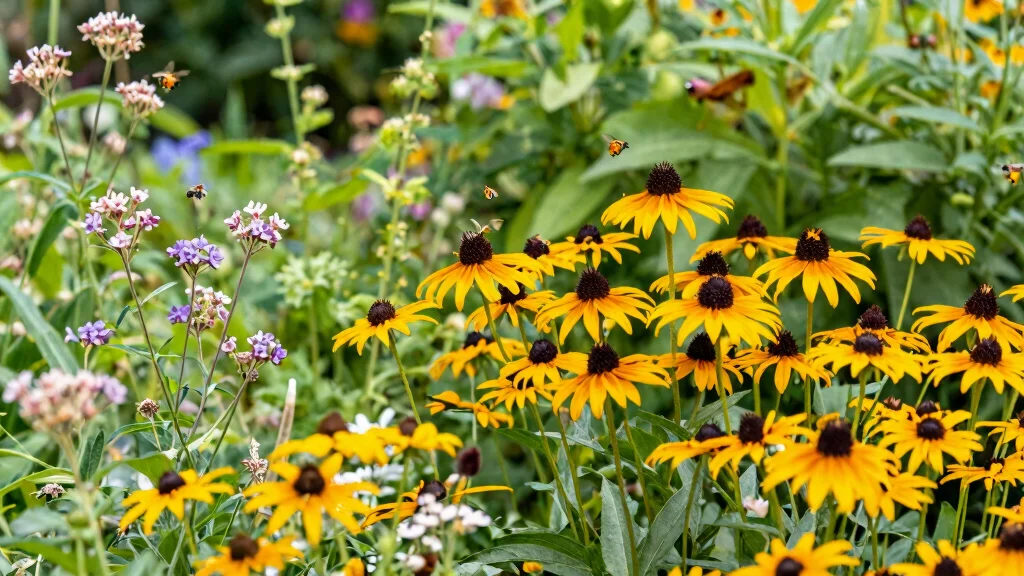
Imagine stepping into a lively wildflower meadow that bursts with color and life. This enchanting design not only beautifies your yard but also provides a vital habitat for bees, butterflies, and other pollinators. By selecting a diverse range of native flower seeds, you can create a stunning landscape that blooms vibrantly from spring through fall.
Consider planting a mix of flowers like Echinacea purpurea (purple coneflower), Rudbeckia hirta (black-eyed Susan), and Asclepias tuberosa (butterfly weed) to draw in butterflies and bees. Using seed mixes tailored to your region ensures a thriving meadow that supports local wildlife.
Key steps to create your wildflower meadow:
– Prepare the soil by clearing weeds and grass.
– Water regularly during the first growing season.
– Allow wildflowers to self-seed in the fall.
With a wildflower meadow, you’ll transform your yard into a vibrant ecosystem that attracts pollinators and delights the senses.
Create a Colorful Wildflower Meadow
Editor’s Choice

Eden Brothers Michigan Wildflower Mixed Seeds for Planting, 1/4 lb, 120,…

Farmer’s Secret Soil Revitalizer (32oz) – Organic (OMRI Listed) Dirt H…
2. Design Layered Flower Beds

Layered flower beds are a fantastic way to showcase a variety of wildflowers while adding depth to your garden. By placing taller species like Heliopsis or Liatris at the back and shorter varieties like Gaillardia or Campanula at the front, you’ll create a visually stunning display. This arrangement allows you to enjoy a colorful tapestry throughout the seasons.
Mixing colors and textures keeps the interest alive. Consider incorporating native plants for the best survival and to enhance local biodiversity. Adding ground cover plants like Creeping Thyme not only suppresses weeds but also retains soil moisture.
Tips for a beautiful layered bed:
– Use a variety of blooming periods for continuous color.
– Add mulch to conserve moisture and control weeds.
– Incorporate natural materials for additional texture.
Layered flower beds invite both beauty and biodiversity to your outdoor space.
📹 Related Video: How to Layer your bed|| How to make your bed look & feel comfortable| HELPFUL TIPS
Design Layered Flower Beds
Editor’s Choice

Miracle-Gro Moisture Control Potting Mix – Plant Soil For Container Plan…

Garden Tools Set, 3 Pack Heavy Duty Gardening Tools Set Include Garden S…

Quibbay 3.15″ x 100′ No Dig Landscape Edging, Flexible Garden Edging Bor…
3. Incorporate Pollinator-Friendly Native Plants

To maximize the benefits of wildflower landscaping, focus on native plants that support local pollinators. Native species are well-suited to your climate and soil, requiring less upkeep while offering crucial food and habitat for bees and butterflies. Plants like Coreopsis, Aster, and Monarda (bee balm) are visually stunning and highly attractive to pollinators.
By creating a garden with these native plants, you contribute to local ecosystems while enjoying their beauty. Native plants are also more resilient to pests and diseases, reducing the need for chemical treatments. Grouping these plants together fosters a stronger visual impact and encourages pollinator visits.
Essential tips for planting native species:
– Research local native plant nurseries for healthy stock.
– Plant in clusters for greater pollinator attraction.
– Provide a shallow water source for resting pollinators.
Incorporating native plants creates an inviting haven for pollinators and enhances your yard’s aesthetic charm.
Incorporate Pollinator-Friendly Native Plants
Editor’s Choice

Miracle-Gro Organic Plant Food – Use with Indoor or Outdoor Plants, Orga…

4. Build a Wildflower Border

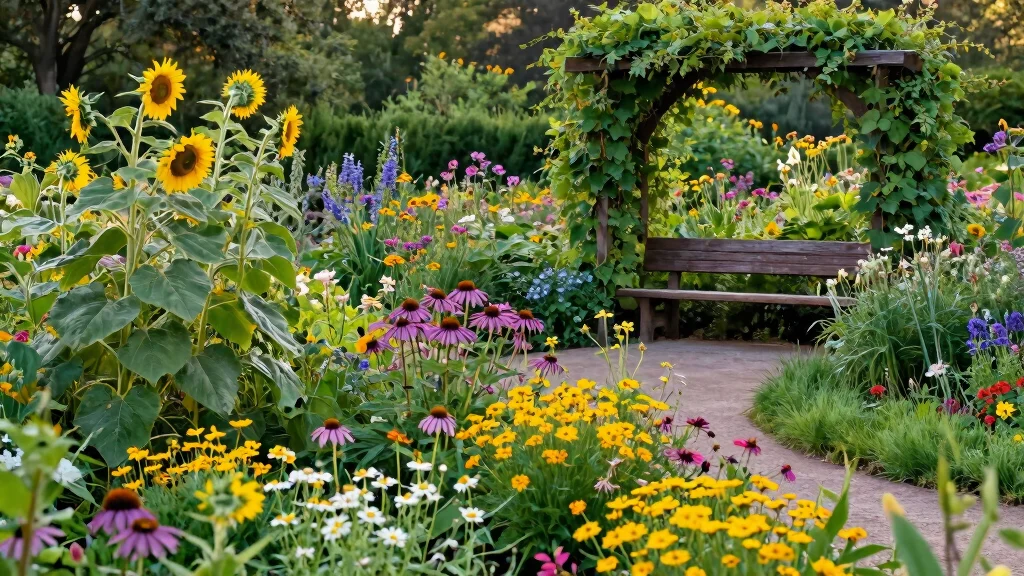
A wildflower border adds a charming touch to any garden space. By planting a continuous line of wildflowers along paths or fences, you create a lovely frame that enhances your landscape. Choose shorter wildflowers like Millefolium (yarrow) or Thymus (thyme) to provide color and nectar for visiting pollinators, while taller plants like Rudbeckia add height and movement.
This border not only beautifies your garden but also helps define spaces, guiding visitors along paths. Select a variety of blooming times to keep your border lively throughout the season. Regular care, such as deadheading and weeding, helps maintain its fresh appearance.
Get started with these tips:
– Choose plants that enhance your garden’s design.
– Mix textures for added visual appeal.
– Incorporate decorative elements like stones or trellises.
A well-planned wildflower border infuses your garden with vibrancy while supporting essential pollinator populations.
Fun fact: In wildflower landscaping, a continuous border can boost pollinator visits by 40% in a single season. Plant Millefolium and Thymus for color and nectar, while Rudbeckia adds height and movement.
You might also like

Build a Wildflower Border
Editor’s Choice
Garden Tools Set, 3 Pack Heavy Duty Gardening Tools Set Include Garden S…

Northeast Wildflower Seeds – Extra Large 1 Ounce Packet – Over 7,500 Nat…
5. Integrate Wildflowers in Vegetable Gardens

Integrating wildflowers into your vegetable garden not only boosts biodiversity but also enhances its visual appeal. Certain wildflowers can attract pollinators, which can greatly improve your vegetable yields. Plant flowers like Calendula or Nasturtium among your veggies to add color and deter pests, while inviting beneficial insects like ladybugs.
The vibrant blooms will create a stunning contrast with your vegetable plants. Ensure you select wildflowers that bloom at different times to consistently attract pollinators throughout the growing season. This combination creates a garden that is both productive and beautiful.
Helpful tips for integrating wildflowers:
– Define areas for wildflowers to keep your garden organized.
– Choose flower varieties that thrive alongside your vegetables.
– Regularly deadhead flowers to encourage prolonged blooms.
By integrating wildflowers, you enhance both the productivity and beauty of your vegetable garden while supporting the local ecosystem.
Integrate Wildflowers in Vegetable Gardens
Editor’s Choice

Seed Needs Nasturtium Seeds Jewel Mix Multicolored Edible Flowers | 1.5 …

Gardeners Basics, Calendula Seeds for Planting (Pacific Beauty Mix) – An…
6. Create a Rain Garden with Wildflowers

A rain garden is an eco-friendly way to manage stormwater runoff while adding beauty with wildflowers. This garden temporarily holds and absorbs rainwater, helping to reduce flooding and pollution. When planning your rain garden, choose native wildflowers like Lobelia and Iris that thrive in wet conditions.
These plants not only enhance the visual appeal but also filter contaminants from the water, improving your local ecosystem’s health. To create your rain garden, identify a low area to dig a shallow depression for water collection. Layer the soil with mulch and plant wildflowers in groups to achieve visual impact.
Essential tips for a successful rain garden:
– Ensure proper drainage to prevent pooling.
– Add rocks or gravel for aesthetic appeal.
– Monitor water absorption during rain events.
By establishing a rain garden with wildflowers, you create a sustainable environment that benefits both nature and your landscape.
Did you know a properly designed rain garden can absorb up to 30% of your area’s runoff each year? With native wildflowers like Lobelia and Iris, this is practical wildflower landscaping that adds color, supports pollinators, and improves water quality — all in one budget-friendly project.
Create a Rain Garden with Wildflowers
Editor’s Choice

Miracle-Gro Organic Outdoor Potting Mix – Plant Soil for Outdoor Contain…

Miracle-Gro Organic All Natural Mulch for Landscaping – Bagged and Shred…
7. Use Wildflowers for Erosion Control

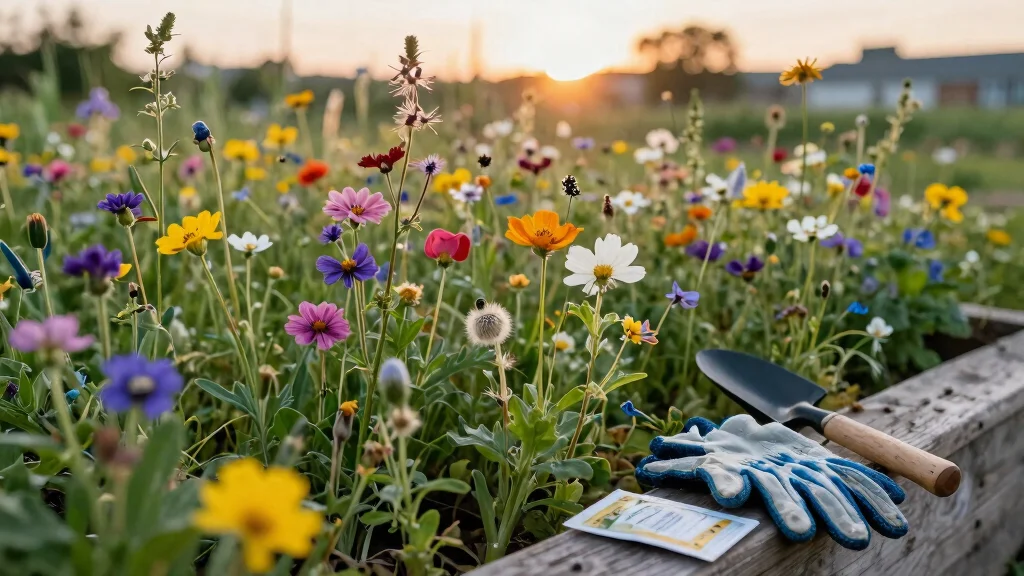
Wildflowers are a natural solution for controlling erosion while beautifying your yard. By planting native wildflowers on slopes or loose soil, you can stabilize the ground and prevent erosion from heavy rain or wind. Species like Festuca (fescue) or Sorghastrum (Indian grass) have deep roots that anchor the soil, providing a sustainable approach to erosion control.
Select a mix of plants suited to your environment for effective coverage. Grouping plants together forms a natural barrier that encourages a healthy ecosystem. Regular maintenance such as watering and mulching supports the establishment of your wildflowers.
Key tips for using wildflowers in erosion control:
– Test soil to determine suitable species.
– Use a mix of blooming plants for year-round beauty.
– Plant in staggered rows for visual appeal and better stabilization.
By utilizing wildflowers for erosion control, you can achieve a beautiful landscape that also supports biodiversity.
Fact: Native wildflowers with deep root systems can reduce soil erosion by up to 70% on slopes after heavy rain, boosting erosion control. Plant a diverse mix of Festuca and Sorghastrum and watch the ground stabilize—beautifully and sustainably.
You Might Also Like

How To Choose Native Plants for Your Wildflower Landscaping
Choosing the right native plants is key to creating a beautiful and sustainable wildflower landscape. These plants not only add color but also attract pollinators, which are vital for your garden’s health. Here’s how to select the best native plants for your project:
1. Climate Compatibility
Check your local climate zone before choosing plants. Different regions have unique temperature and rainfall patterns, which affect plant growth. A plant that thrives in a warm, humid area may struggle in cooler climates. Use resources like local extension services or gardening websites to find plants suited for your zone.
2. Soil Type and Quality
Understanding your soil type is crucial. Different plants prefer sandy, clay, or loamy soils. You can test your soil through a simple kit or by sending samples to a lab. This ensures that you select plants that will thrive in your garden’s specific soil conditions.
3. Sunlight Requirements
Evaluate how much sunlight your yard receives throughout the day. Some native plants flourish in full sun, while others prefer partial shade. Make a note of areas that are sunny versus shady. This will help you choose plants that will grow well in the specific lighting conditions of your yard.
4. Bloom Times and Color Variety
Choose plants that bloom at different times to keep your garden colorful all season long. Combine early bloomers like bluebells and late bloomers such as goldenrods. Aim for a mix of colors, shapes, and sizes to create a visually appealing landscape. This diversity also benefits pollinators, providing them with food throughout the growing season.
5. Maintenance Level
Consider how much time you can dedicate to maintaining your plants. Some native species are low-maintenance and can thrive without much care. Others may require more frequent watering or pruning. Opt for plants that fit your lifestyle to enjoy a colorful garden without stress.
6. Pollinator Attraction
Select plants known for attracting bees, butterflies, and other pollinators. Flowers like coneflowers and milkweed are excellent choices. They not only provide food for pollinators but also contribute to local biodiversity. Look for plants labeled as “pollinator-friendly” at nurseries or garden centers.
Pro Tip: Before planting, consider visiting local gardens, nature reserves, or botanical gardens to see native plants in action. This can inspire your design and help you visualize how they will look in your yard.
By following these criteria, you can create a stunning wildflower landscape that not only beautifies your space but also supports the environment. Happy gardening!
Use Wildflowers for Erosion Control
Editor’s Choice

Farm Plastic Supply – Jute Erosion Control – 4′ x 225′ – Soil Saver Mesh…

Wildflower Seeds Bulk Mix – 10,000+ Perennial & Annual Seeds – Texas, Ca…

Burpee Natural Purpose Granular 4-Lb Organic Food for Growing Strong Pla…
8. Establish a Habitat Garden for Pollinators

Creating a habitat garden filled with wildflowers is a wonderful way to support pollinators. This garden provides food, shelter, and nesting areas for beneficial insects like bees and butterflies. Include a diverse selection of native wildflowers that bloom at various times to keep your garden inviting year-round.
Adding elements such as brush piles, logs, or small water sources enhances the garden’s appeal to wildlife. Plants like Echinacea, Monarda, and Rudbeckia are not only beautiful but also attract many pollinators. Observing the wildlife that visits your garden fosters a deeper connection to nature.
Essential tips for creating a habitat garden:
– Use organic gardening practices to protect pollinators.
– Include a variety of flower shapes and colors for diversity.
– Avoid pesticides that can harm beneficial insects.
Establishing a habitat garden with wildflowers enriches your outdoor space while nurturing pollinators and enhancing your love for nature.
Establish a Habitat Garden for Pollinators
Editor’s Choice

Wooden Insect House, Insect Hotel for Bugs, Bees, Butterflys, Ladybirds,…
Wildflower Seeds Bulk Mix – 10,000+ Perennial & Annual Seeds – Texas, Ca…

5-Tiers Cascading Rock Water Fountain Outdoor – Waterfalls Fountains wit…
Conclusion
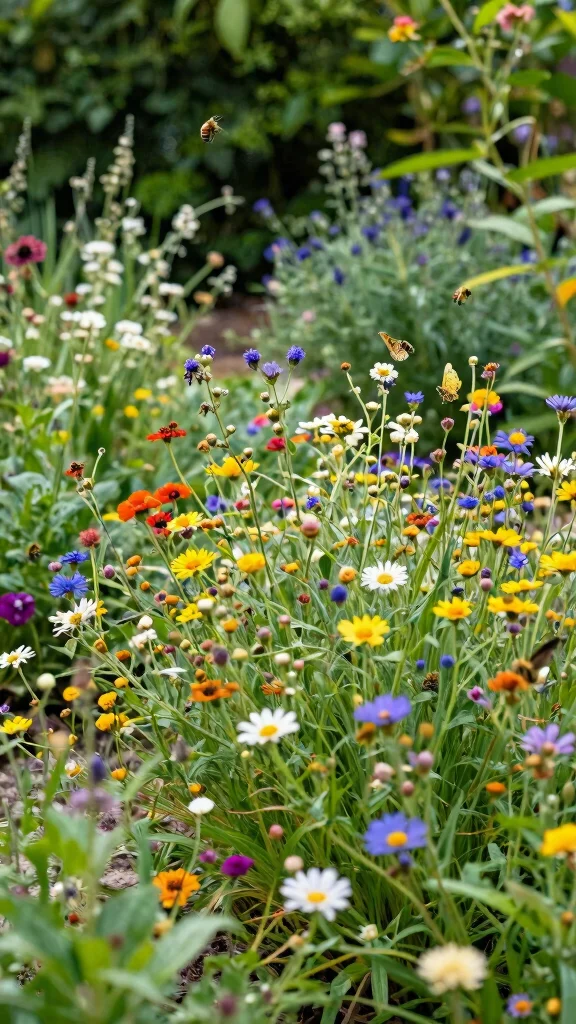
Embracing wildflower landscaping not only beautifies your yard but also plays a crucial role in supporting local ecosystems. By incorporating these eight ideas, you can create an inviting space that attracts pollinators, enhances biodiversity, and showcases a stunning array of colors throughout the seasons. Consider your local environment and the native plants that thrive there as you plan your wildflower garden, and enjoy the beauty and benefits that come with nurturing these floral habitats.
Let your wildflower landscaping journey begin! Share your experiences and favorite wildflower varieties with fellow gardening enthusiasts to inspire even more vibrant and sustainable gardens.
Note: We aim to provide accurate product links, but some may occasionally expire or become unavailable. If this happens, please search directly on Amazon for the product or a suitable alternative.
This post contains Amazon affiliate links, meaning we may earn a small commission if you purchase through our links, at no extra cost to you.
Frequently Asked Questions
What is wildflower landscaping and how can it support pollinator habitats?
Wildflower landscaping is designing with native plants and other regionally suitable wildflowers to create a meadow-inspired landscape that supports pollinator habitats. It focuses on biodiversity, seasonal color, and a more natural look while often reducing upkeep when planned for self-seeding and proper maintenance.
Getting started: choose a diverse mix of bloom times, group plants in drifts, and place species according to sun and soil needs. Use a light mulch, and avoid broad-spectrum pesticides to protect bees, butterflies, and other pollinators. Let a portion of the area grow in a more natural state to invite wildlife and soil life.
Which native plants work best for a pollinator-friendly wildflower landscaping project?
Great options include milkweed (Asclepias), bee balm (Monarda), purple coneflower (Echinacea), purple prairie coneflower (Rudbeckia), New England aster (Symphyotrichum novae-angliae), and goldenrod (Solidago). Mix these with native grasses for texture and year-round coverage. Plant in sunny patches for maximum nectar and provide continuous bloom by selecting species that flower at different times to keep a steady food source for pollinators. This is a core part of pollinator-friendly landscapes and native plants strategy.
How can I design a low-maintenance, eco-friendly wildflower landscape?
Start with a simple plan: map the space, choose a seed mix of regionally appropriate native plants, and design drifts rather than tight borders for a natural look. Embrace eco-friendly gardening by minimizing lawn, mulching deeply to conserve moisture, and letting self-seeding do some work for you. For maintenance, mow only once a year or selectively cut back after periods of flowering to maintain low maintenance gardens while still supporting pollinator habitats. Install rain barrels and drought-tolerant varieties to further reduce irrigation needs. This approach also helps create natural beauty gardens that feel effortless.
Will wildflower landscaping reduce water use and maintenance in my garden?
Yes. Native wildflowers typically have deeper roots and are adapted to local rainfall, which means less watering and less fertilizer. A well-planned wildflower landscaping reduces lawn mowing and herbicide use, contributing to eco-friendly gardening and low maintenance gardens. However, establishment in the first season may require regular watering and some weeding.
What maintenance and seasonal care does a natural beauty garden with wildflowers require?
Seasonal tasks include spring sowing or planting, deadheading some species to encourage rebloom, and mowing or cutting back in late fall or after seed set to mimic meadow cycles.
Plan for reseeding in late summer or fall to keep the bed full and resilient. Monitor for invasives and pests, but avoid chemical controls to protect pollinators. Over time, this becomes a natural beauty garden that supports pollinator habitats with minimal ongoing effort.
Related Topics
wildflower landscaping
native plants
eco-friendly gardening
pollinator habitats
low maintenance gardens
natural beauty gardens
sustainable landscaping
beginner friendly
seasonal blooms
xeriscaping
garden design
wildflower meadows