
Creating your perfect outdoor space can feel overwhelming. With so many options available, where do you even begin? That’s why I put together this guide on backyard landscaping plans. These plans are designed to help you envision and create the outdoor area of your dreams, even if you’re working with a small urban space. If you’re ready to transform your backyard into a stunning oasis, this post is for you.
Whether you’re a seasoned gardener or just starting your home gardening journey, you’ll find something valuable here. Each plan offers sustainable landscaping ideas that not only beautify your yard but also support the environment. From vertical gardens to cozy outdoor living spaces, these landscaping plans will inspire you to add charm and functionality to your outdoor area. You’ll walk away with practical tips and clear layouts, making your backyard makeover projects feel achievable.
Let’s dive into seven backyard landscaping plans that provide you with a clear roadmap. These plans are filled with outdoor space inspiration and garden layout tips you can implement right away. Get ready to turn your backyard into a serene retreat where you can relax and enjoy nature.
Key Takeaways
– Explore vertical gardens to make the most of limited space, creating lush greenery that doesn’t take up much ground area.
– Discover how a Zen garden can serve as a peaceful retreat, utilizing sand, stones, and minimal plants for a calming effect.
– Learn about native plant landscaping, which promotes biodiversity while being eco-friendly and low maintenance.
– Consider edible landscaping to integrate fruits and herbs into your design, providing beauty and a fresh harvest right from your backyard.
– Get ideas for cozy outdoor living spaces that blend comfort and style, making your backyard a perfect spot for gatherings or relaxation.
1. Vertical Gardens: Maximize Your Space
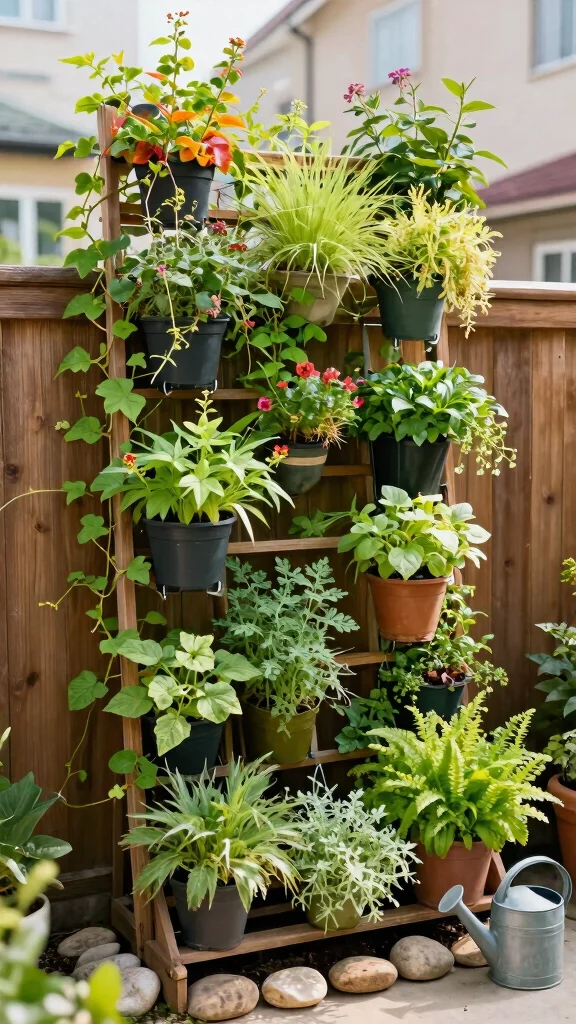
If you’re short on backyard space, vertical gardens can work wonders for you. They turn walls and fences into lush green displays, allowing for a vibrant garden without taking up precious ground. Picture a lively wall adorned with climbing plants, fragrant herbs, or vibrant flowers that add depth and character to your outdoor area.
To create a thriving vertical garden, focus on using structures like trellises or wall-mounted planters. Choose hardy plants that can flourish in these settings, and consider a drip irrigation system for easy watering. Make sure to position your garden to get sufficient sunlight while keeping it accessible for maintenance.
Key tips for your vertical garden:
– Select sturdy structures like trellises or wall planters.
– Opt for resilient plants like herbs or climbing vines.
– Implement a drip irrigation system for hassle-free watering.
– Position it for sunlight while ensuring easy access.
With a bit of creativity, you can transform an ordinary wall into an eye-catching feature that enhances your outdoor experience.
📹 Related Video: How to make a Vertical Garden: Full DIY Guide with Design Tips, Materials and Plant Choice
Vertical Gardens: Maximize Your Space
Editor’s Choice

TOREVSIOR 5-Tier Vertical Raised Garden Bed, Vertical Garden Planter wit…


1 Pack Garden Obelisk Trellis for Climbing Plants Outdoor, 6FT Adjustabl…

GameXcel Vertical Planter Tower – 5 Tier Stackable Garden Planters with …
2. Zen Garden: Peaceful Retreat
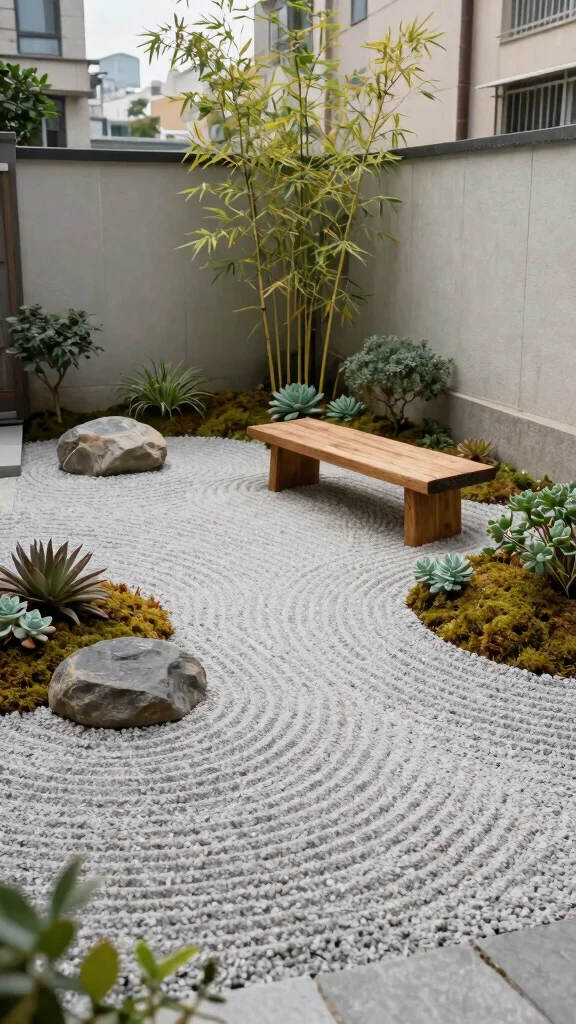
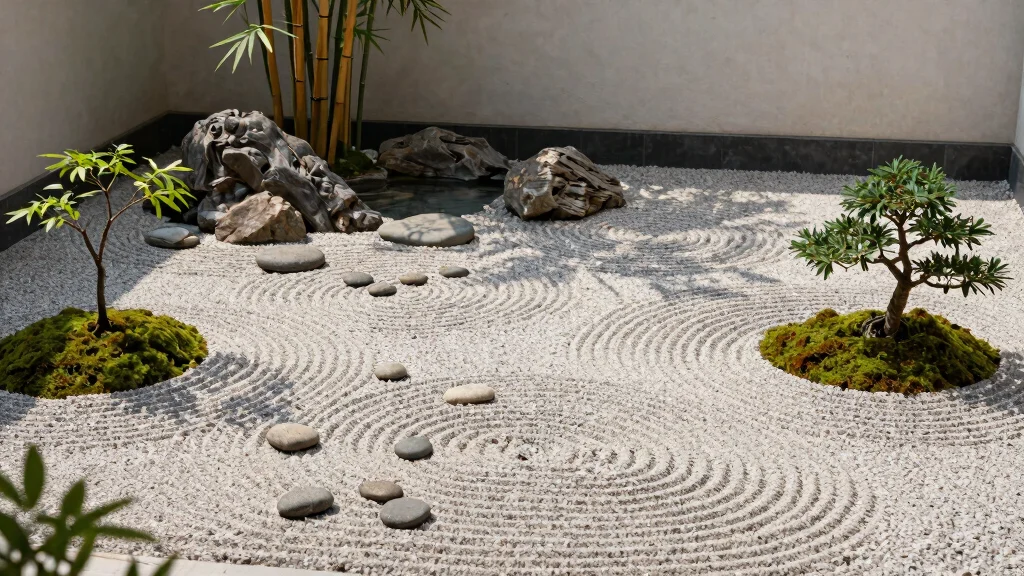
Imagine stepping into your backyard and finding a serene Zen garden that invites tranquility. This landscaping style emphasizes simplicity and natural elements to create a calming space, perfect for unwinding after hectic days. Think of raked gravel, smooth stones, and minimalistic plants that promote peace and reflection.
To design your Zen garden, focus on using materials like gravel for pathways and incorporating stones for structure. Choose calming plants such as bamboo or moss to enhance the serene atmosphere. A small water feature or a simple bench can serve as a focal point for meditation or quiet contemplation.
Essential elements for your Zen garden:
– Create raked gravel pathways to represent water.
– Incorporate boulders or small stones for stability.
– Select calming plants like succulents or moss.
– Add a focal point like a bench or water feature.
This design not only beautifies your outdoor space but also fosters mindfulness, making it an ideal retreat in your urban setting.
Fun fact: A 6×6 ft Zen garden can transform a cramped urban yard into a calming retreat. With simple gravel paths, smooth stones, and bamboo accents, you get big peace with minimal upkeep. It’s a smart example of backyard landscaping plans for small spaces.
Zen Garden: Peaceful Retreat
Editor’s Choice

YISZM 2LB Succulent and Cactus Gravel Pebbles, 1/5 Inch Natural Decorati…

Pulovin 15 lbs River Rocks for Plants, 1-1/2 inch Decorative Garden Rock…

3 Stalks Lucky Bamboo Plants Indoor Live – Multi-Height Set (2×4 & 1×6) …
3. Native Plant Landscaping: Eco-Friendly Choice
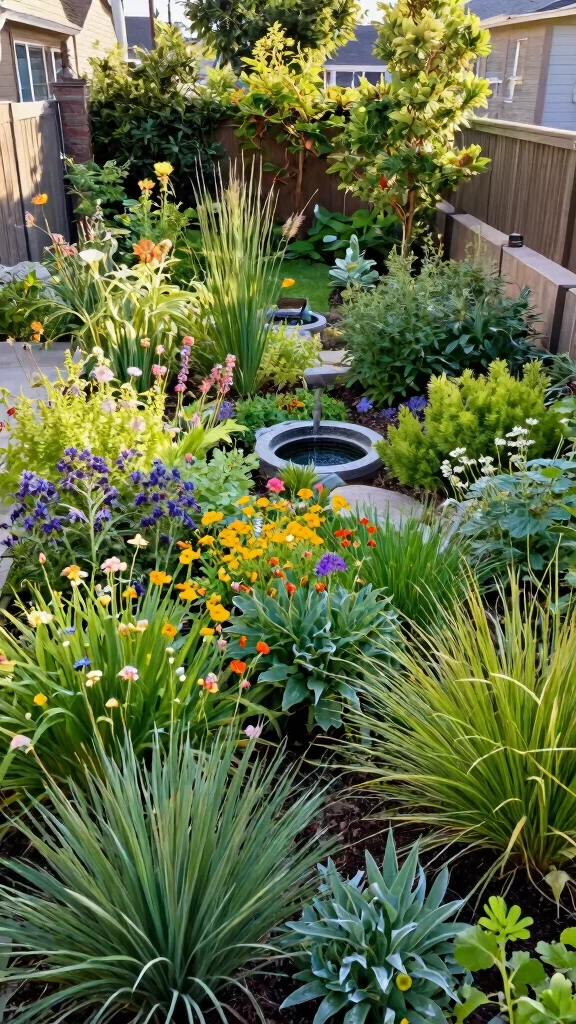
Explore the charm of local flora with a native plant landscaping approach. Native plants are already adapted to your area’s climate and soil, requiring less water and care than exotic varieties. This eco-friendly option not only beautifies your yard but also supports local wildlife and ecosystems.
Choosing native plants is about more than aesthetics; it promotes biodiversity and helps manage rainwater runoff. You’ll enjoy a garden that evolves beautifully with the seasons while attracting beneficial insects and birds.
Benefits of native plant landscaping:
– Attract butterflies, bees, and birds to your garden.
– Enjoy low-maintenance plants that thrive naturally.
– Enhance stormwater management with native habitats.
– Experience a garden that changes with the seasons.
By opting for native species, you’ll create a sustainable garden that enriches your environment and showcases the beauty of local nature.
Native Plant Landscaping: Eco-Friendly Choice
Editor’s Choice

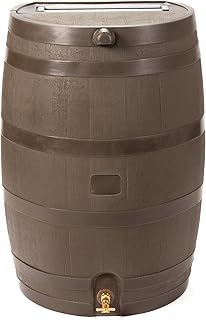
RTS Home Accents 50-Gallon Rain Barrel with Brass Spigot, Flat Back Rain…
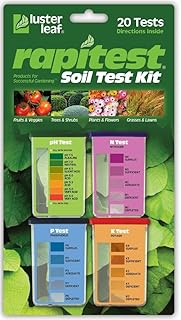
Rapitest Soil Test Kit for Gardens, Vegetables, Flowers and Lawns. USA d…
4. Edible Landscaping: Feast Your Eyes and Palate
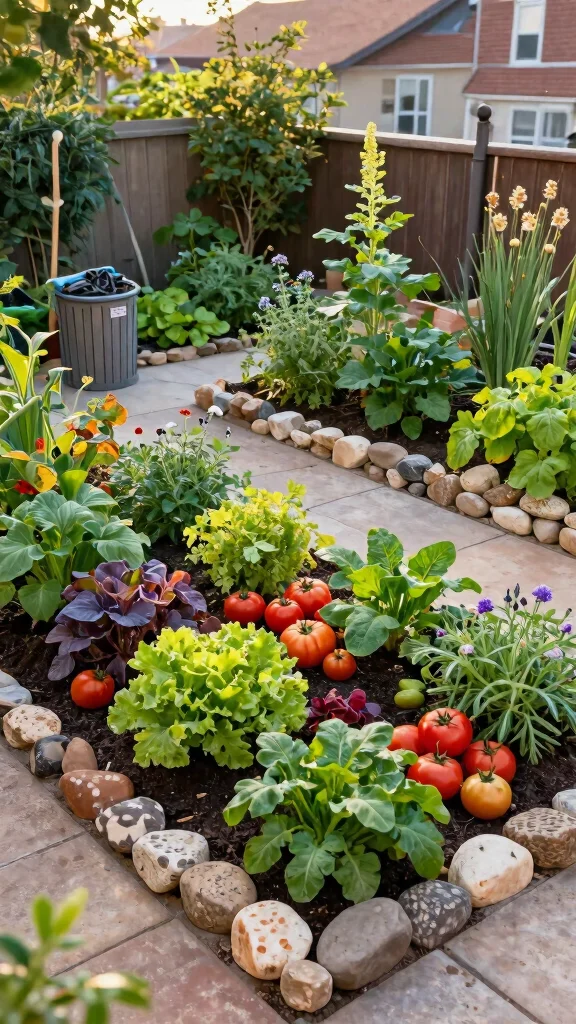
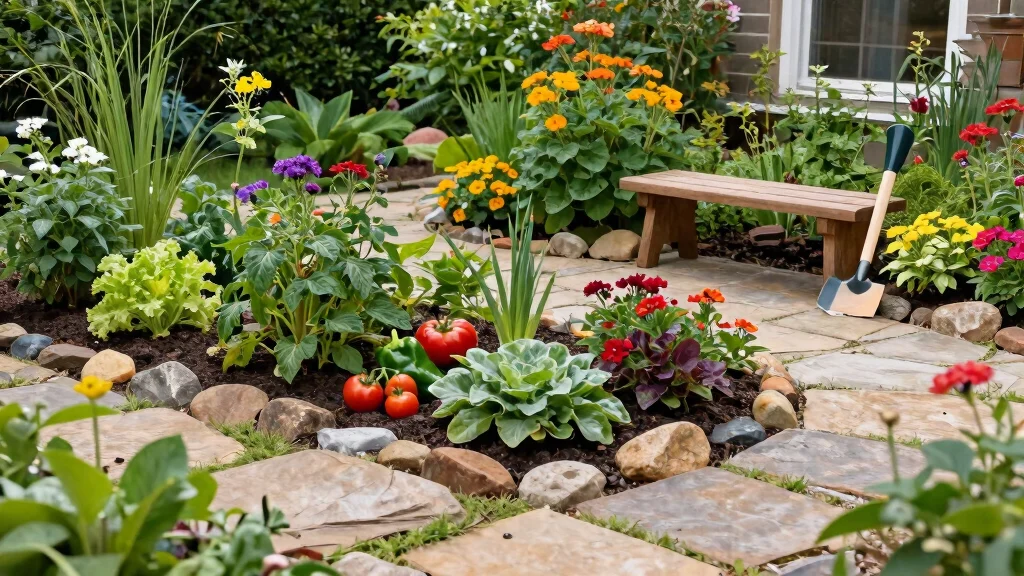
Transform your backyard into a delightful edible landscape where beauty meets functionality. This unique approach allows you to grow fruits, vegetables, and herbs alongside ornamental plants, creating a visually appealing and productive garden. Imagine harvesting fresh tomatoes or fragrant basil right from your backyard.
Begin by planning your layout, mixing edible plants with flowers to attract pollinators and keep pests at bay. Ensure pathways are designed for easy access to harvest your bounty, and consider rotating your crops seasonally for continuous yields.
Steps for successful edible landscaping:
– Plan your layout with raised beds or mixed plots.
– Pair herbs with flowers to attract beneficial insects.
– Design pathways for easy harvesting access.
– Rotate crops seasonally for a year-round harvest.
This method not only enhances the beauty of your outdoor space but also provides fresh produce, making your backyard a rewarding culinary haven.
Fun fact: Incorporating edible plants into your backyard landscaping plans can boost pollinator visits by up to 40% in small urban spaces. Grow tomatoes beside lavender, herbs beside flowers, and harvest fresh dinners right from your yard.
You might also like
Edible Landscaping: Feast Your Eyes and Palate
Editor’s Choice

Heavy Duty Gardening Tools – Gardening Gifts for Women, Men, Mom, Dad – …

EPICA Countertop Compost Bin Kitchen | 1.3 Gallon | Odorless Composting …

Land Guard Galvanized Raised Garden Bed Kit, Galvanized Planter Garden B…
5. Cozy Outdoor Living Spaces: Comfort Meets Style
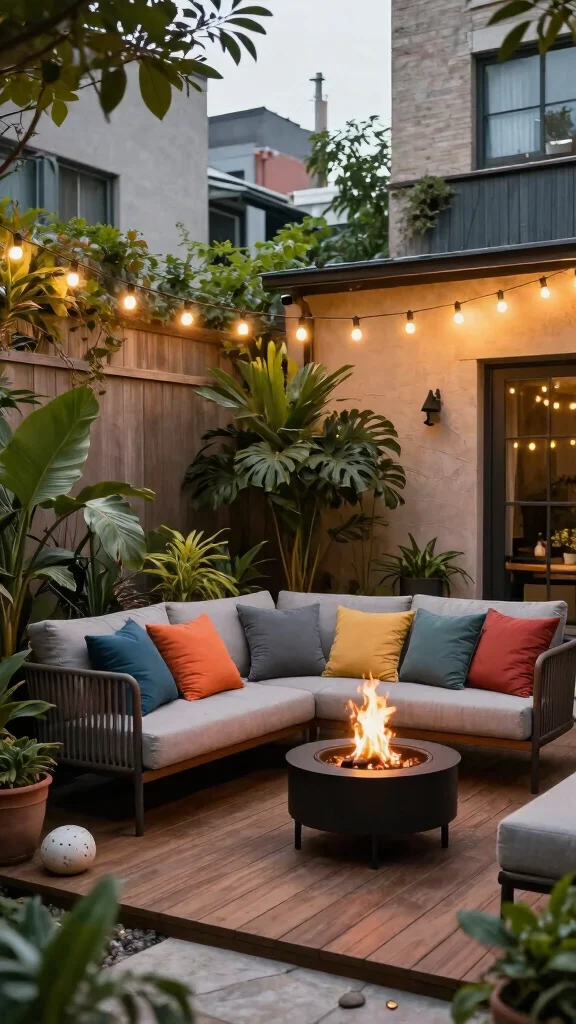
Imagine a cozy outdoor living area where you can relax and entertain all year round. By creating a welcoming space in your backyard, you extend your home into nature, providing a perfect setting for gatherings or quiet evenings. Think comfortable seating, warm lighting, and inviting decor that make your outdoor space feel like an extension of your home.
Start by incorporating weather-resistant furniture, like a sofa or lounge chairs adorned with colorful cushions. Add string lights or lanterns to create a warm ambiance for evening enjoyment, and consider a fire pit as a focal point for gatherings. Personalize your space with vibrant planters and decorative art pieces.
Key elements for a cozy outdoor area:
– Add comfortable, weather-resistant seating options.
– Install ambient lighting like string lights or lanterns.
– Include a fire pit for warmth and gathering.
– Personalize with decorative elements like art or planters.
This inviting setup encourages you and your friends to savor the beauty of the outdoors while enjoying moments of comfort and style.
How To Choose Backyard Landscaping Plans
Choosing the right backyard landscaping plans can turn your outdoor space into your personal oasis. With the right design, you can maximize your area, enhance aesthetics, and create a sustainable environment. Here are some essential criteria to consider when selecting your landscaping plan:
1. Size and Space
Before diving into design ideas, measure your backyard. Knowing the square footage allows you to choose plants, features, and layouts that fit. Remember to account for walkways and any existing structures. For small urban spaces, vertical gardens and container plants can help make the most of limited area.
2. Sunlight and Shade
Pay attention to how sunlight moves across your yard throughout the day. This will help you identify sunny and shady spots. Select plants and features that thrive in the specific conditions of each part of your yard. For example, if you have a shadier corner, consider planting ferns or hostas that do well in low light.
3. Climate and Soil Type
Your local climate and soil conditions play a significant role in what will grow successfully. Test your soil to understand its pH and nutrient levels. This will guide you in selecting plants that will flourish in your environment. Research native plants that require less water and maintenance, making your landscaping more sustainable.
4. Budget Consideration
Establishing a budget upfront helps narrow down your options. Consider costs for plants, materials, tools, and professional help if needed. Look for ways to save, such as DIY gardening projects or using recycled materials. Planning can keep you within your financial limits while still achieving your dream space.
5. Functionality and Use
Think about how you plan to use your backyard. Will it be a quiet retreat, a play area for kids, or a space for entertaining? Your landscaping plan should cater to these needs. For example, if hosting outdoor gatherings is a priority, consider adding a patio or outdoor kitchen.
6. Aesthetic Preferences
Finally, consider your personal style. Do you prefer a modern look or a classic garden? Look for outdoor space inspiration that resonates with you. Browse magazines, websites, or visit local gardens to gather ideas. Choose elements that reflect your taste, from plant types to hardscaping materials.
Pro Tip: Keep a scrapbook or digital folder of landscape design ideas you love. This can guide your decisions as you create your dream backyard!
By following these guidelines, you can choose backyard landscaping plans that not only beautify your space but also serve your lifestyle and preferences. Whether you want a low-maintenance garden or a vibrant outdoor area, careful planning is the key to success.
Cozy Outdoor Living Spaces: Comfort Meets Style
Editor’s Choice

Rattan Star Outdoor Furniture Couch 3 Seater Sofa Outdoor Brown Wicker S…

32 Inch Round Fire Pit with Mesh Cover, Fire Poker, Star and Moon Design…

Outdoor Decorative Patio String Lights, Beaded Copper Wire Ball Style La…
6. Container Gardening: Flexibility and Charm
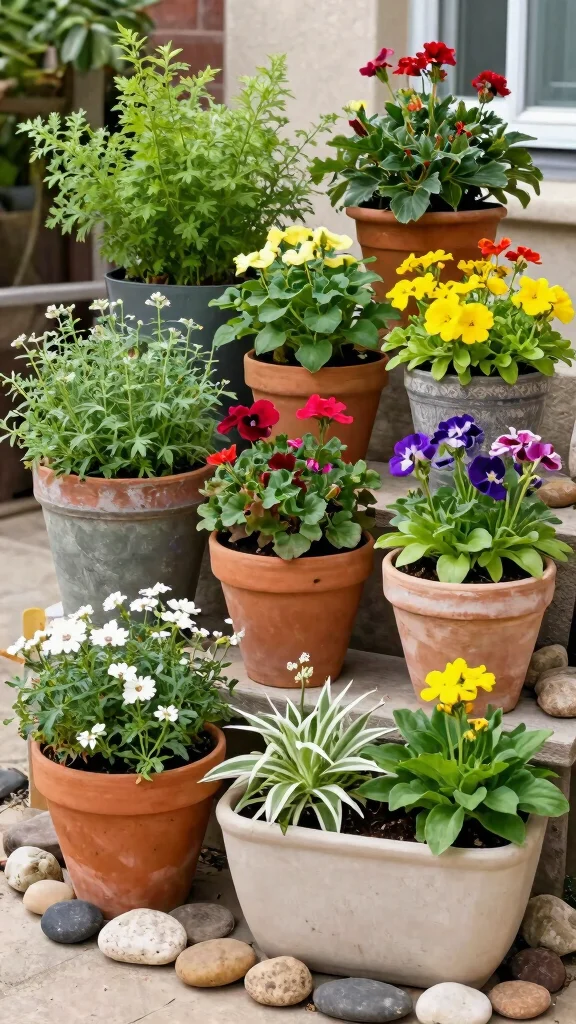
Container gardening is a fantastic solution for those with limited space but a big passion for gardening. By using pots and planters, you can create a stunning garden that reflects your unique style. Picture vibrant flowers, lush herbs, and even vegetables all thriving in beautifully arranged containers.
Begin by selecting a variety of container sizes and styles to add interest to your garden layout. Use quality potting soil to ensure healthy plant growth, and mix different flowers, herbs, and vegetables in the same pot for a colorful display. Position your containers strategically to maximize sunlight exposure and visual appeal.
Steps to start container gardening:
– Choose a mix of container sizes and styles for variety.
– Use quality potting soil for optimal plant health.
– Combine flowers, herbs, and veggies for a vibrant look.
– Arrange containers to maximize sunlight and visibility.
This flexible approach allows you to easily change your garden’s layout whenever you want, bringing charm and creativity to your outdoor space.
❝ Fun fact: In small urban spaces, 8–12 containers power a thriving container gardening setup, growing herbs, flowers, and veggies all at once. Use varied sizes, quality potting soil, and a smart layout to maximize your compact garden. ❞
You Might Also Like
Container Gardening: Flexibility and Charm
Editor’s Choice

Burpee, 9 Quarts | Premium Organic Potting Natural Soil Mix Food Ideal f…

YNNICO Indoor Self Watering Planters with Drainage Holes and Saucers, 8,…
7. Sustainable Landscaping: Conserve and Beautify
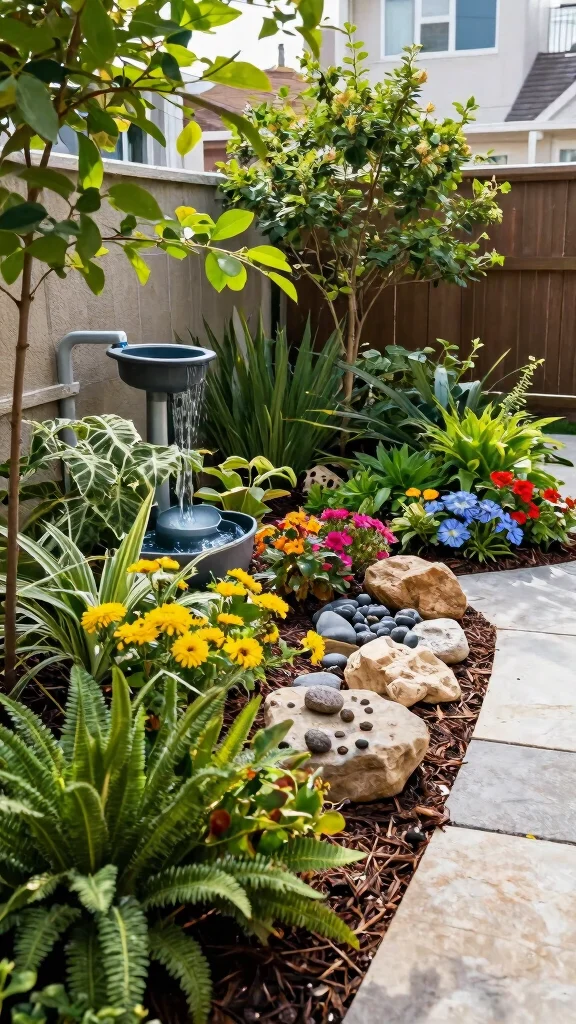
Sustainable landscaping is a meaningful way to create a beautiful outdoor space while giving back to the planet. By incorporating eco-friendly practices, you can conserve resources and enhance biodiversity in your garden. Imagine a lush yard that not only looks good but also benefits the environment.
Focus on water conservation techniques like rainwater collection and using drought-resistant plants. Opt for organic fertilizers and pest control to keep your garden healthy and chemical-free. Choose native plants that thrive naturally and apply mulch to retain soil moisture and suppress weeds.
Key practices for sustainable landscaping:
– Implement rainwater collection and drought-resistant plants.
– Use organic practices for pest and nutrient management.
– Select native plants to boost local ecology.
– Apply organic mulch for moisture retention and weed control.
This environmentally conscious approach allows you to enjoy a beautiful garden while making a positive impact on the planet for future generations.
Sustainable Landscaping: Conserve and Beautify
Editor’s Choice
Milorganite All-Purpose Eco-Friendly Slow-Release Nitrogen 6-4-0 Fertili…

Collapsible Rain Barrel, Portable Rain Water Collection System Kit, 53 G…

Western Home Landscaping, Second Edition: 42 Landscape Designs, 300+ Pla…
Conclusion: Your Dream Backyard Awaits!
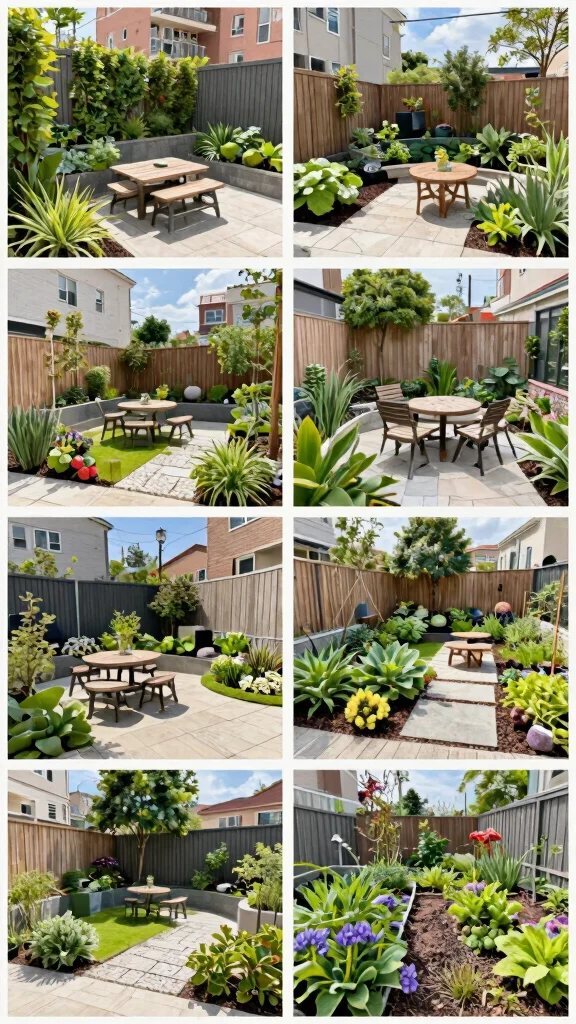
With these seven backyard landscaping plans, you now have a roadmap to create a stunning outdoor space that truly reflects your style and values.
Each idea, from vertical gardens to sustainable practices, offers unique benefits and enhances the beauty of your urban setting.
Take a step toward your dream backyard and let your creativity flourish in every corner!
Note: We aim to provide accurate product links, but some may occasionally expire or become unavailable. If this happens, please search directly on Amazon for the product or a suitable alternative.
This post contains Amazon affiliate links, meaning we may earn a small commission if you purchase through our links, at no extra cost to you.
Frequently Asked Questions
What are the key considerations when creating backyard landscaping plans for a small urban space?
For a small urban yard, start with a clear assessment of sun exposure, drainage, and the space’s shape. Your backyard landscaping plans should maximize usable area by grouping activities into defined zones (dining, seating, and a compact planting bed). Choose sustainable, space-saving elements: native and drought-tolerant plants, vertical planters, and permeable surfaces to reduce runoff. Keep scale in mind by selecting compact trees and modular furniture that can be moved or reconfigured. With these garden layout tips, you’ll create a practical outdoor space that feels bigger and more functional.
How can I turn a tiny yard into a functional outdoor space using sustainable practices?
For a compact, sustainable makeover, start with garden layout tips that prioritize multi-use zones—a small dining area paired with a vertical herb wall works beautifully. Use containers and trellises to add greenery without sacrificing ground space. Favor native plants and water-wise selections to cut irrigation needs, and choose permeable paving plus a rain barrel to manage runoff. Install a simple drip irrigation system to maximize efficiency. These steps align with your backyard landscaping plans and provide clear outdoor space inspiration for busy urban yards.
Which of the seven plans are most practical for tight spaces, and how can I adapt them?
The most practical options for small yards emphasize flexibility and vertical space—think narrow layouts, raised beds, and wall gardens. Adapt them by scaling plantings, choosing compact varieties, and using containers for mobility. Pair a compact dining zone with a pocket garden to satisfy backyard makeover projects, while adding a shaded retreat with a trellis to boost comfort without crowding. Start with a simple mood board for landscape design ideas and translate your garden layout tips to fit your exact lot shape.
How do I budget and phase a backyard makeover project to achieve the roadmap efficiently?
Begin with a realistic budget and break the work into phases: core structure (paths, seating, irrigation), planting/soil improvement, and finishing touches. Prioritize elements from your backyard landscaping plans that unlock daily usage, then stagger home gardening solutions like raised beds or container gardens. Save by tackling DIY tasks (mulching, painting, simple builds) when possible, and hire pros for complex hardscaping or irrigation control. Use a simple timeline to track progress and keep a running list of landscape design ideas you want to implement in each phase.
Where can I find reliable landscape design ideas and home gardening solutions to support my plans?
Start with local extension programs and native-plant guides for climate-appropriate choices that fit your backyard landscaping plans. Explore online galleries for outdoor space inspiration and step-by-step garden layout tips. Build your toolkit with soil tests, moisture meters, and essential tools, then translate those notes into practical backyard makeover projects. Following urban, sustainable gardening creators can keep you motivated and informed as you refine your plans.
Related Topics
backyard landscaping plans
urban gardening
sustainable design
small space solutions
outdoor makeover
garden layout tips
eco-friendly landscaping
beginner friendly
easy projects
landscape design ideas
outdoor space inspiration
backyard transformation